

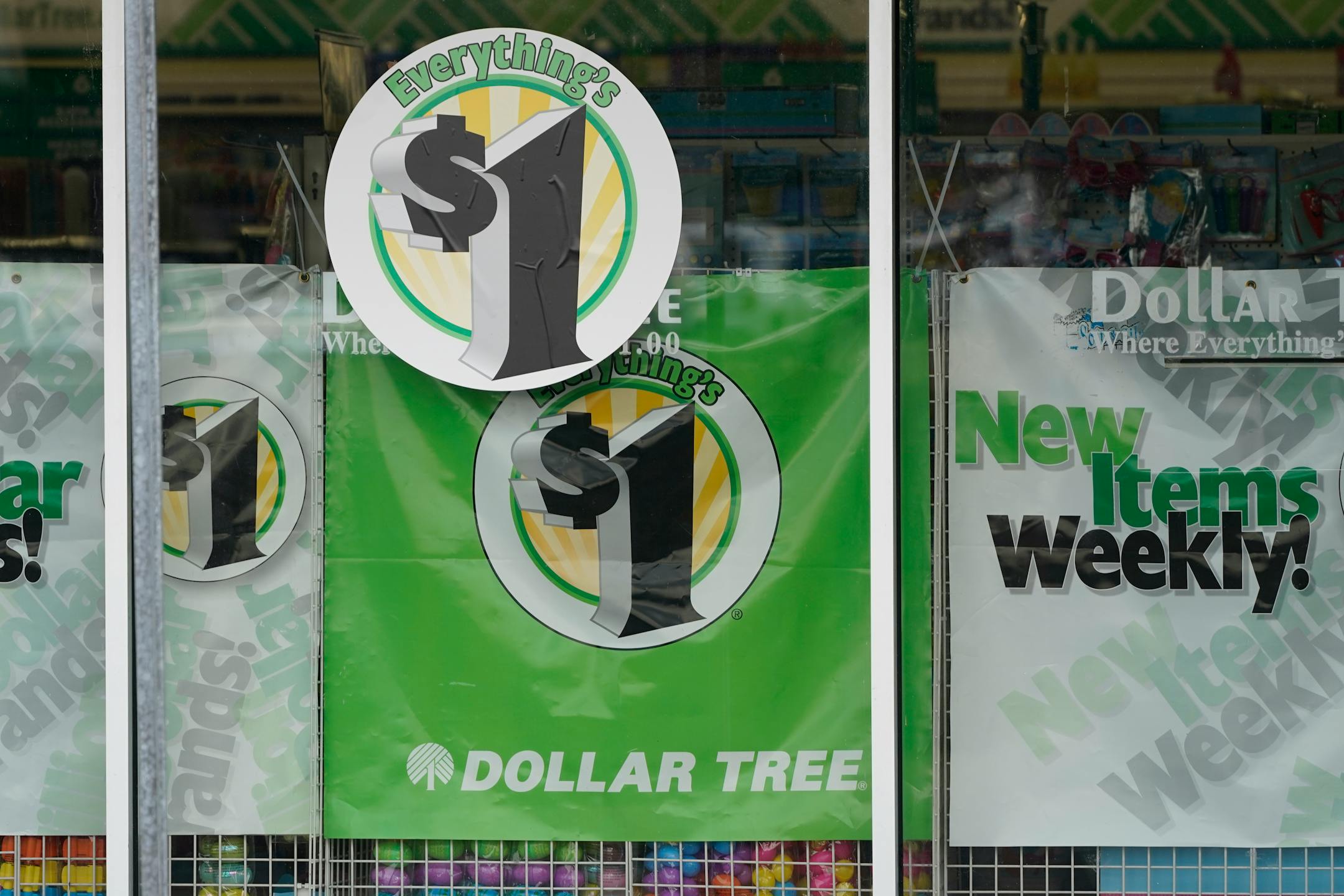
On Wednesday, Dollar Tree, one of the few dollar stores that lived up to the promise of its name, announced a shocking development. Its costs had risen so high in recent weeks that it could no longer hold the line at a single buck. Instead, it regretted to announce, many items would now cost either $1.25 or $1.50.
Wall Street was delighted. Dollar Tree shares shot up. But the news was an especially vivid reminder of the clear and present danger of inflation, coming for the very customer base that could afford it the least.
The signs of higher costs passed on to consumers are everywhere: menu items at restaurants, grocery totals at the checkout, pain at the fuel pump, shipping prices for containers, lumber costs, real estate prices, rising labor expenses for small businesses, on and on. There have been disagreements about whether this is a temporary phenomenon of COVID-19 recovery and associated federal spending (which tends to be the liberal position and is the official prediction of the Federal Reserve), or a serious threat, especially given the stubborn supply-chain problems that don't seem to be improving. That's a theory gaining traction among many business executives (and even some of the voices at the Fed).
But all this overlooks a crucial and much underestimated factor. Many Americans, especially those under 40 and including many reporters and a hefty chunk of the Twitterati, have no personal experience of what inflation can do to an economy, or to a citizen saving for retirement. They fear not the growling wolf. Thus those who see its dangers have some educating to do.
Take, for example, the decadeslong progressive fight for a $15 minimum wage in Chicago, a campaign that resulted in that becoming law last July. Many media outlets celebrated that accomplishment: "And for early organizers …," reported WBEZ, "the Fight for $15 still offers important lessons on how to center campaigns not around preconceived notions about what can be won — but instead to stay focused on what would measurably improve workers' lives."
The word inflation appears nowhere in that news report, which is typical of how most of the media covered the minimum-wage issue, rarely noting that the scale, and fortitude, of the win surely depended on the annual rate of inflation, which, history teaches us, can shatter such a gain in short order.
Sure, it is allowed that the amount won could have been higher, and it is noted that there might need to be future campaigns for higher wages. But $15 an hour still is posited as a good win for a good while. Progressive organizers campaigning for minimum-wage increases across the country barely breathed the word "inflation" and rarely index-linked their demands. Whole numbers were more politically effective and far more easily understood. This has contributed to the inflation-ignorance problem.
On the other side of the political spectrum, take the 3% compounding cost-of-living adjustment, or COLA, given each year to pensioners of Illinois government. Those increases have been attacked for years by conservatives and business groups as poor fiscal policy, compounding the state's financial problems. The Editorial Board of the Chicago Tribune has often gone after them as well, on the ground that the adjustments were far above the rate of inflation and much more than private-sector workers were likely to receive. Prior to the pandemic, those arguments were irrefutable.


