When people hear that the Rogotzkes spend summers fishing on Alaska's Bering Sea, they might imagine them wading the shores of remote rivers, lazily casting a fly.
Not quite.
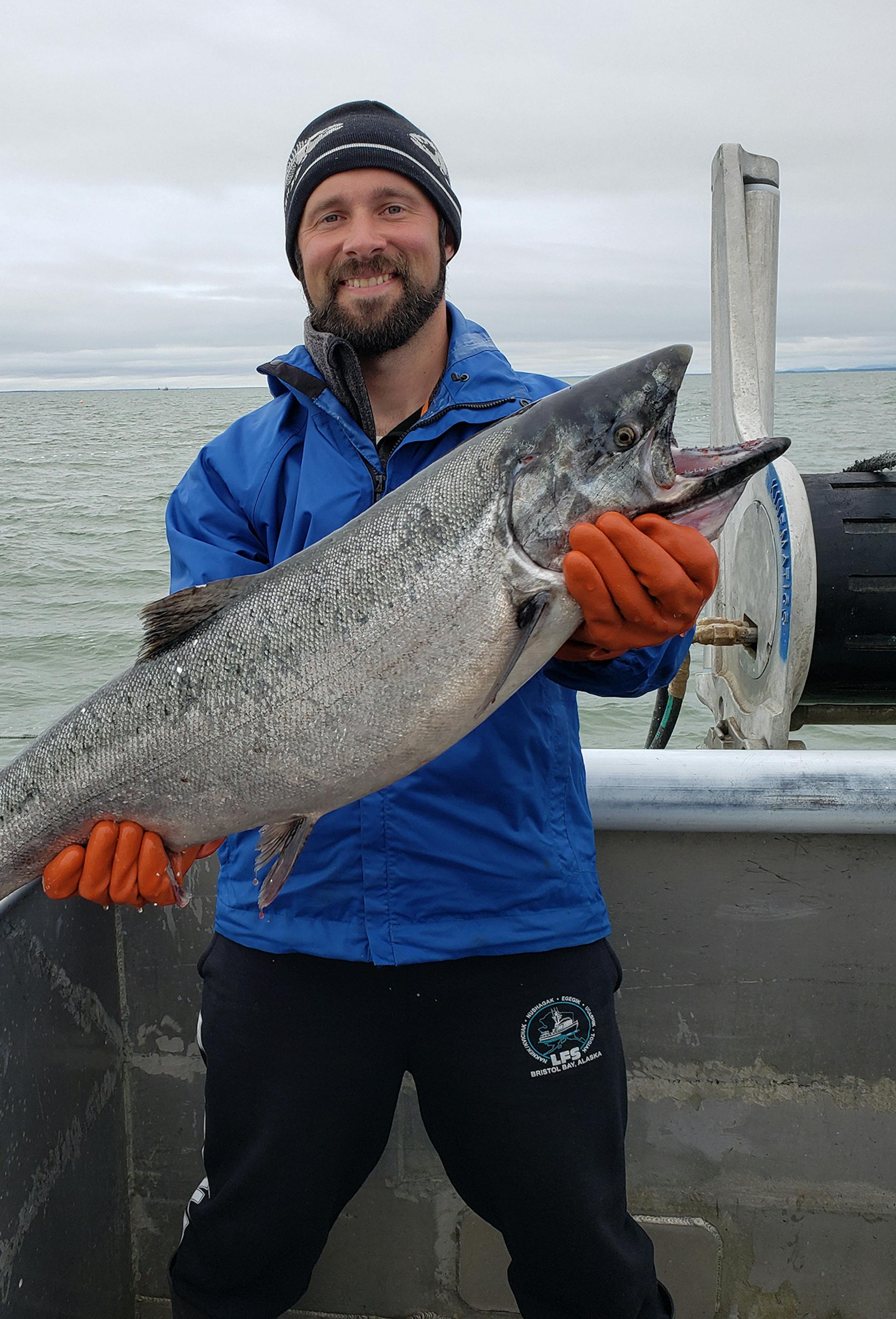
"To explain it to people back home, one of the first things I tell them is that this isn't with a fishing rod," said Jay Rogotzke, 28, the youngest of the Rogotzke fishermen. "We're dragging three football fields worth of net behind us."
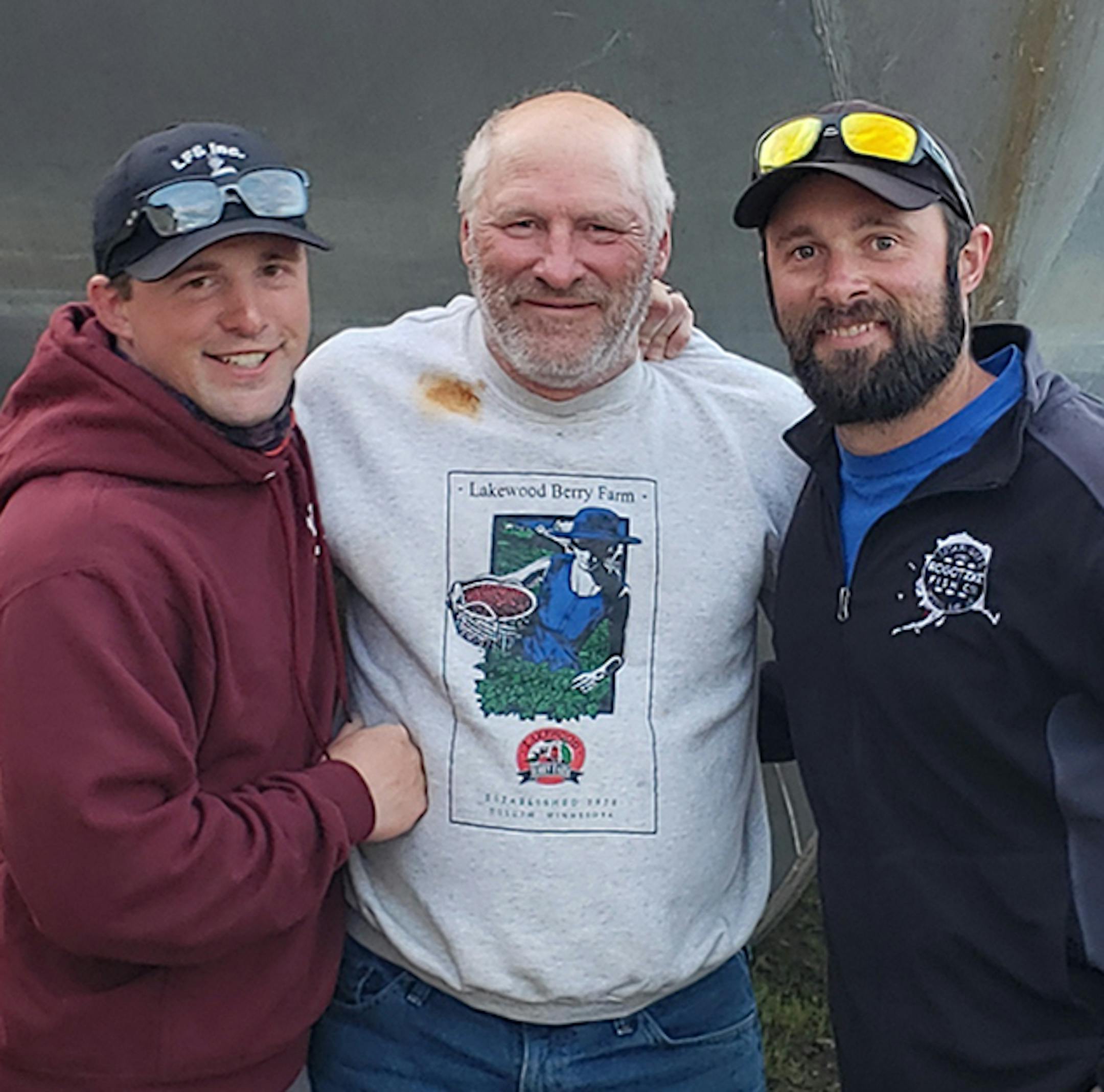
The Rogotzkes — brothers Jay and Tom, dad Roger and uncle Dave — all run their own boats in Bristol Bay, home to the world's largest sockeye salmon run.
Sitting at the northern base of the Aleutian Islands, the Bristol Bay region encompasses roughly 40 million acres of tundra dotted with lakes and cut by endless rivers. It is home to grizzlies, beluga whales, 190 kinds of birds and 40 species of fish, but none more important to the Rogotzkes than sockeye salmon, which flood up rivers by the millions every summer to spawn in their natal streams. Depending on where the fish are running, the Rogotzkes might find themselves fishing shallow freshwater just feet from the green tundra, or drifting in the deep blue waters of the bay, out of sight of land.
A competitive, taxing job
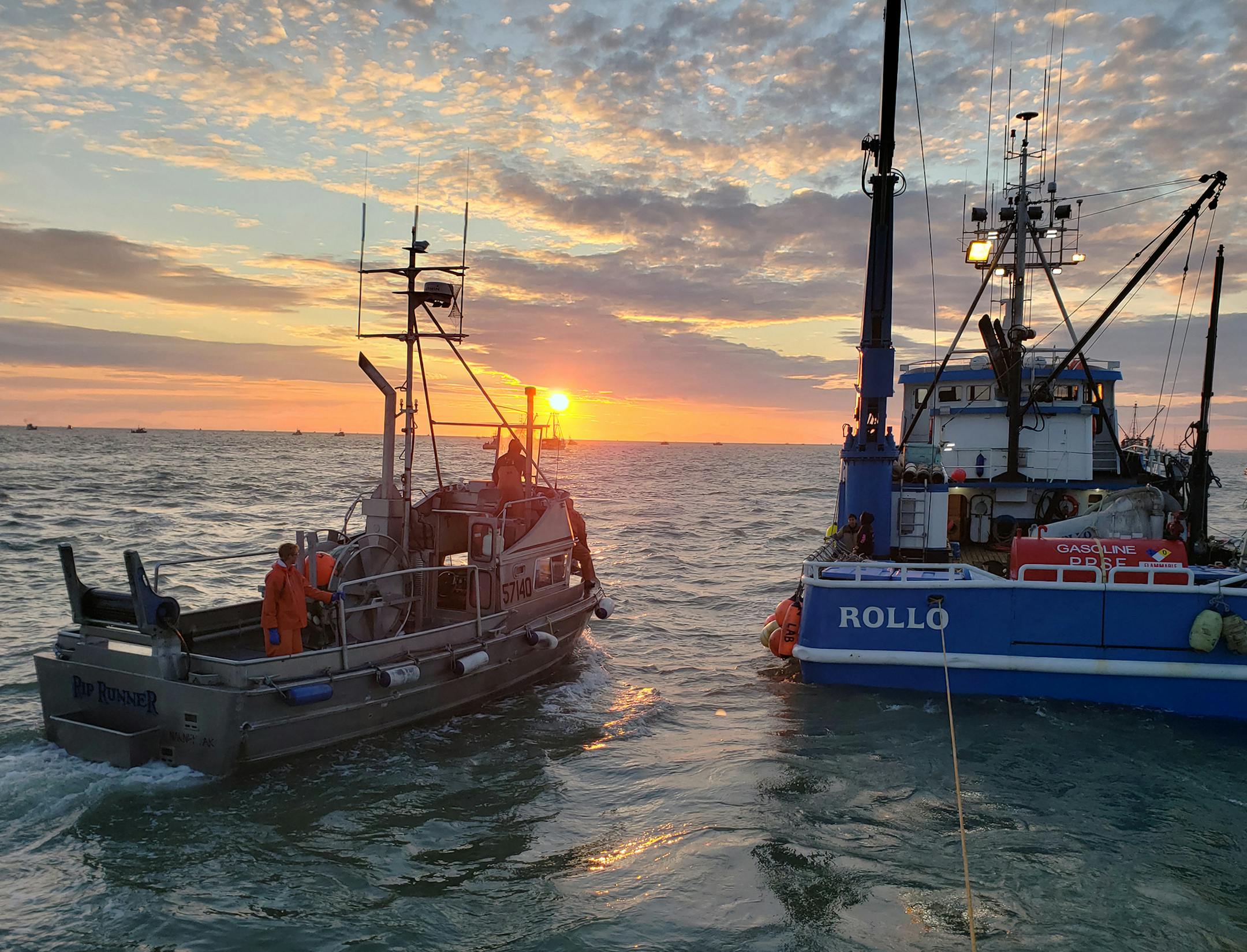
The Rogotzkes fish in 32-foot aluminum boats that drift freely, even with 900 feet of net trailing.
Both the net — which can trap thousands of sockeye at a time — and boat are subject to ripping river currents that clash with some of the world's biggest tides. The weather can be abysmal, and summer storms often send 40 mile-per-hour winds ripping across the region.
"It can get pretty adventurous," said Jay, who also teaches sixth grade in Lester Prairie, Minn. "And I don't think people understand how competitive it is."