

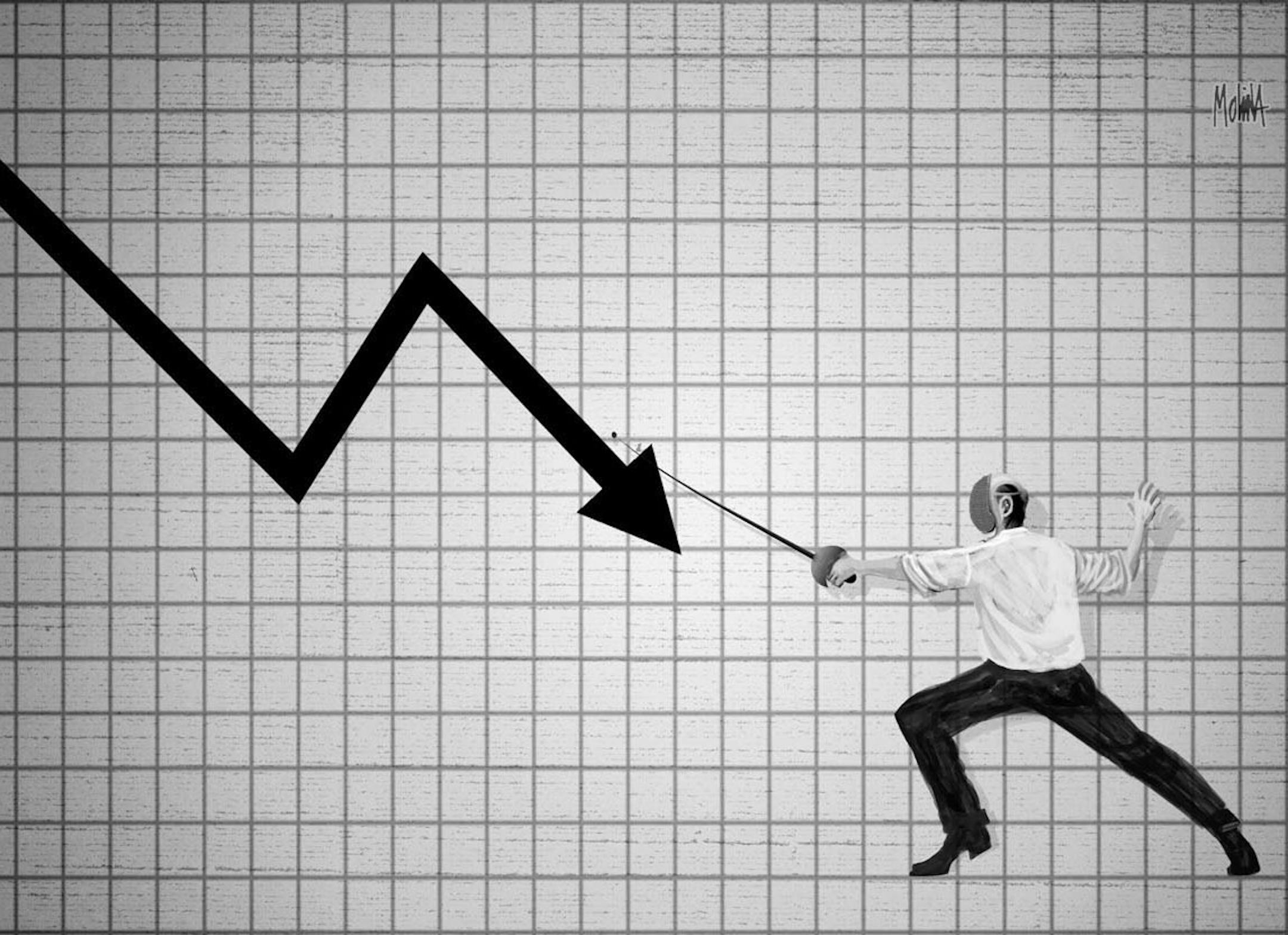
After green shoots, false dawns and any other overused metaphor you can think of to describe spring's awakening (sorry) for the U.S. economy, is this the real deal?
The green shoots from years past have turned brown. The dawns are late and the dusks early this time of year. And in the spring, will it grow?
OK, enough indulgences. The question is: Four and a half years after the recession ended, is the U.S. economy finally going to achieve a respectable and sustainable path of growth? Recent economic data provide reason for optimism. History argues for a more cautious approach.
Believe it or not, some folks are saying that the current expansion is in danger of expiring of old age. And it is old, compared with the average postwar business cycle of 58 months, according to the National Bureau of Economic Research.
The business cycle per se isn't the reason the economy has been shuffling along at an average growth rate of 2.3 percent since the 2007-09 recession ended. It's the hangover from the financial crisis that makes digging out such an ordeal.
Economists Carmen Reinhardt and Ken Rogoff laid it all out in a 2009 book, telling us to expect a slow return — a crawl, actually — to normal. Their study of eight centuries of financial crises found that stocks and real gross domestic product return to their precrisis levels relatively quickly. Not so for real house prices and employment.
"Employment is the last to recover," said Reinhart, a professor at Harvard's Kennedy School of Government.
Recently Reinhart has turned her attention to the behavior of real per capita GDP during and after systemic banking crises. Her study of 100 crises found that it takes an average of eight years for that measure of income to reach the precrisis level.


