Imagine a home in your neighborhood, tidy outside, but hiding a nightmare within.
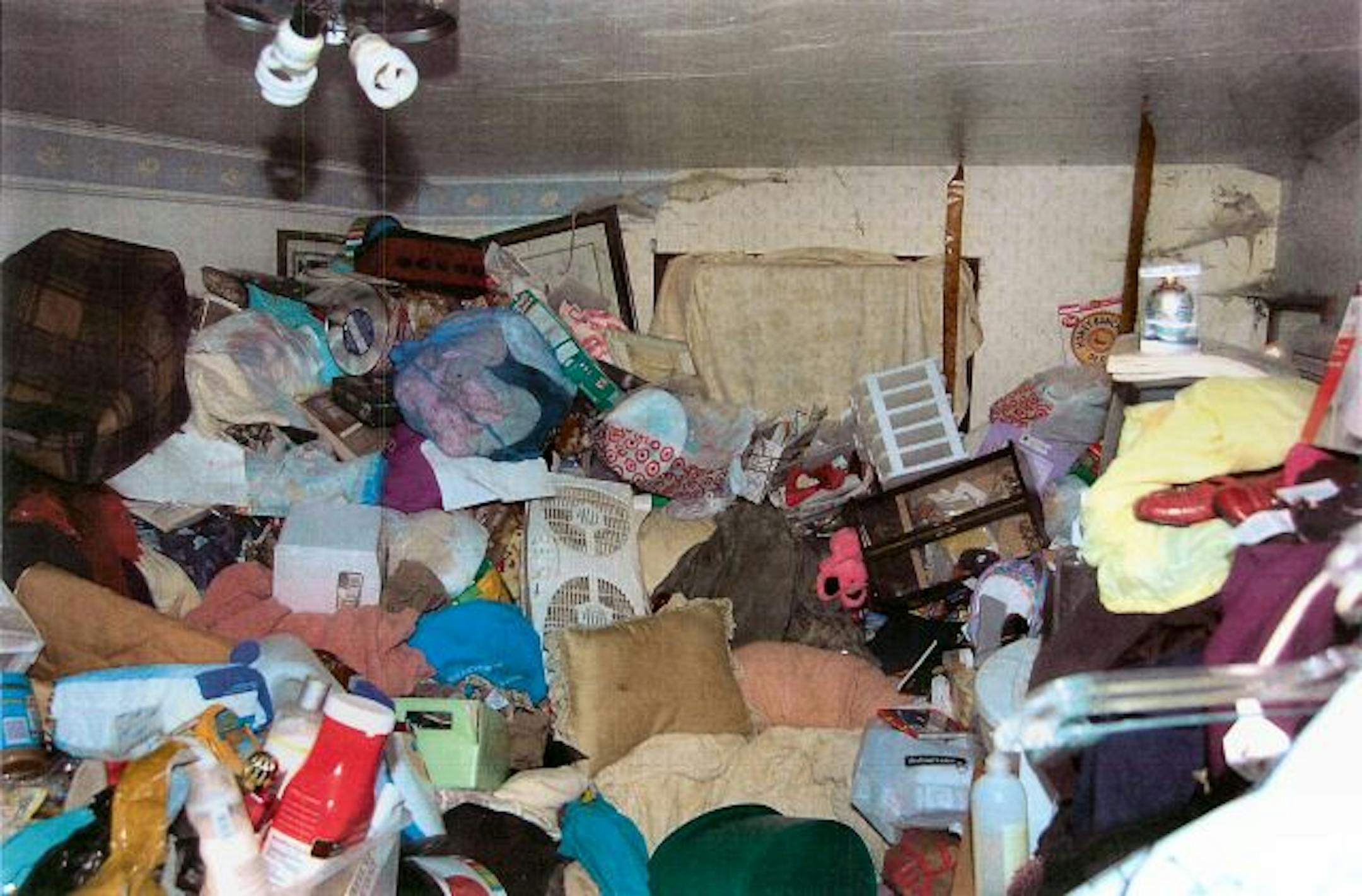
"Goat paths" of compressed garbage are the only routes between towering piles of papers, packages and bags. Clutter owns the house, overtaking floors, appliances and furniture. Surfaces are spattered by filth and feces. Vermin run unfettered.
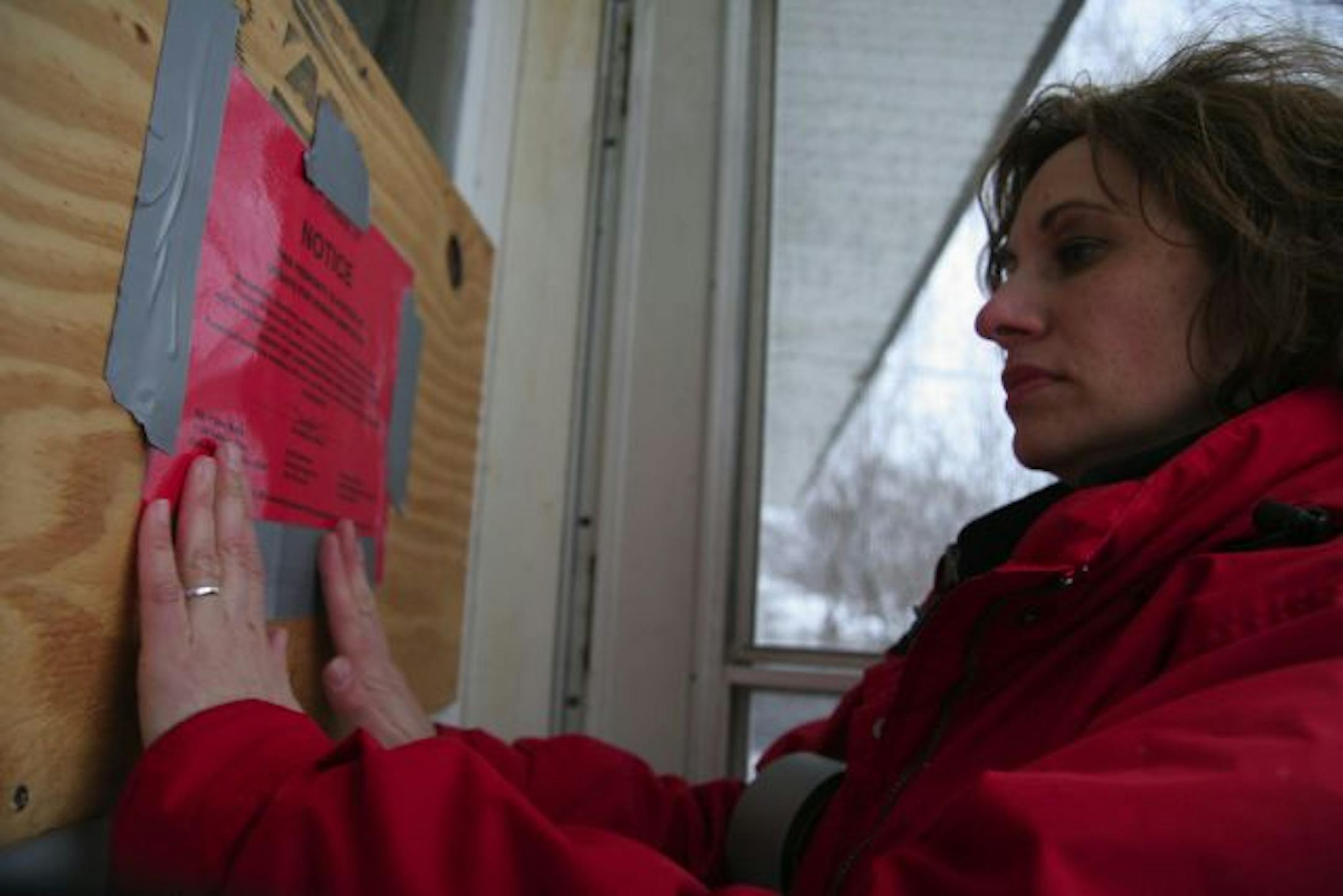
In Coon Rapids, housing inspector Leya Drabczak has seen it all. Over five years, her position has evolved from approving permits and construction to a rare full-time post dedicated to healing some of the most dangerous houses in the city.
Using a toolbox consisting of city code, caring and persistence, she's helped about 300 people make their houses habitable, although for a few, the only resolution is a bulldozer.
Garbage houses can appear in any community; those who live in them are every age, race and socioeconomic class, research shows.
Increasingly, Drabczak has become the go-to person for cities across the state, building expertise through research and experience.
Earlier this fall, she shared some of her knowledge with dozens of housing officials at a statewide conference in Duluth. Last week, she spoke to social workers and nurses in Anoka County, and Tuesday she'll visit Minneapolis. .
Cities have a stake in controlling unsafe houses, not only because of the hazards to the people and pets who inhabit them. Vermin and noxious odors aren't constrained by address. Neither is fire. Clutter houses, packed to the ceilings with flammable stuff, burn hotter and longer than other structures, putting neighbors and firefighters at risk.