MCALLEN, Texas — The words "all rise" were still ringing in the brightly lit South Texas courtroom last week when Peter E. Ormsby slipped unceremoniously into his seat.
"Good morning," the 62-year-old federal magistrate said as the courtroom filled with the clanking of shackled defendants returning to their wooden benches. "We're here to take up a number of criminal cases that allege that the defendants violated the immigration laws of the United States."
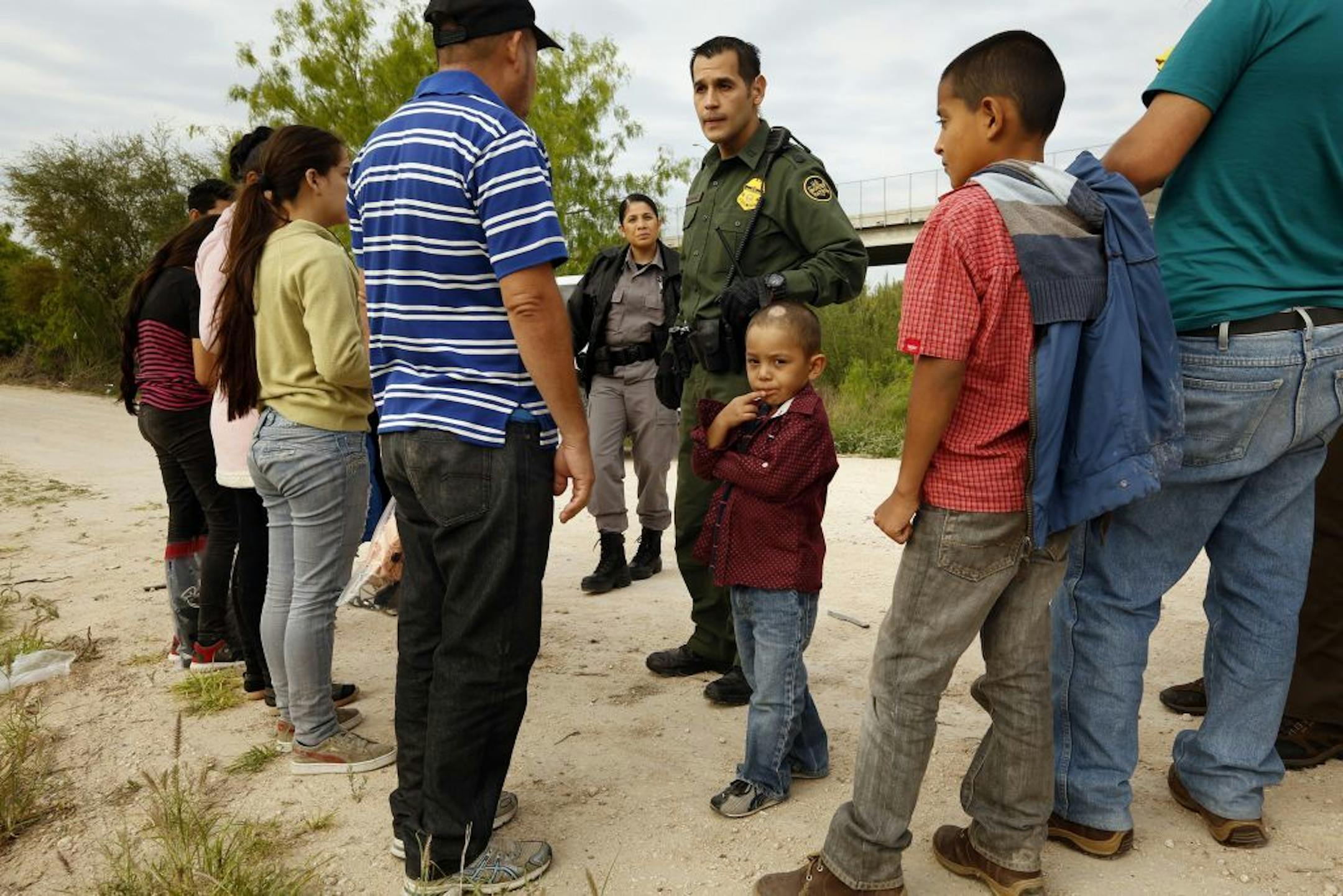
Seated in front of Ormsby were 71 disheveled immigrants caught illegally crossing the Rio Grande. The number of defendants has soared amid President Trump's crackdown on a new surge of border crossers. But the mass hearing was remarkable less for its size than for who it included: parents.
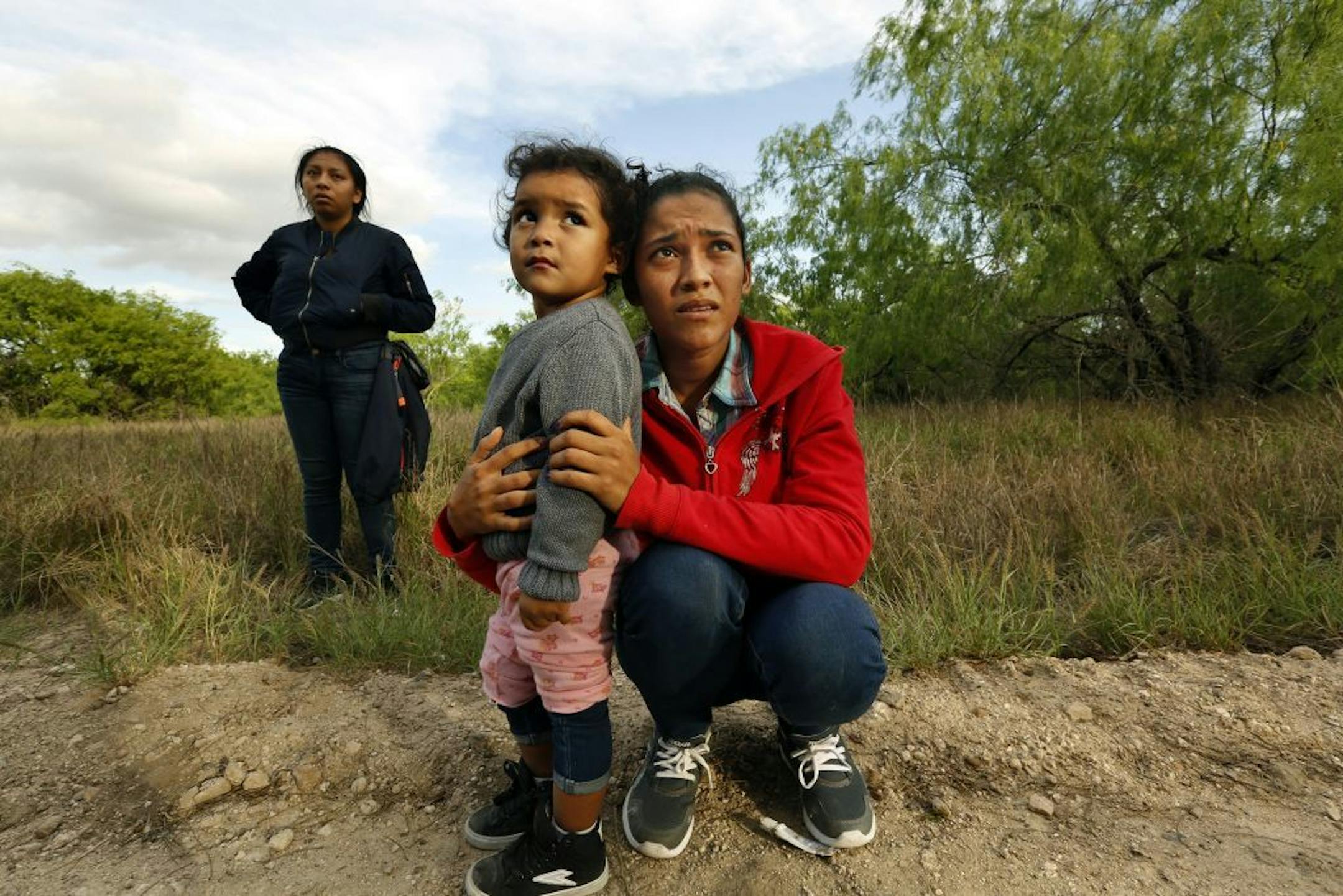
For the first time, federal courtrooms here and across the Southwest are being flooded with distraught mothers and fathers who have been charged with misdemeanor illegal entry and separated from their children — a shift in policy touted by the administration as a way to stop families from trying to reach the United States but decried by critics as traumatizing and inhumane. Last month a Honduran father separated from his wife and 3-year-old son killed himself in a Texas jail cell, the Washington Post reported Saturday.
In McAllen alone, 415 children had been stripped from their parents between May 21 and June 5, according to federal public defenders.
Now, on the morning of June 6, 14 more parents from Central America were facing an agonizing choice with uncertain consequences. They could plead guilty in the hope of speeding up their reunification with their children, but risk damaging their chances of receiving asylum in the United States. Or they could plead innocent and head to trial, a process that could take days or weeks and prolong their separation from their kids.
Seven miles from Mexico and surrounded by brushlands that are home to the border's busiest smuggling routes, the Bentsen Tower federal courthouse has become one of the anguished epicenters of family separation.
On Wednesday morning, the evidence of that was the tears on the parents' faces. Many clutched fliers with a phone number they could call to try to get their kids back from the increasingly crowded federal shelters where they are being housed.