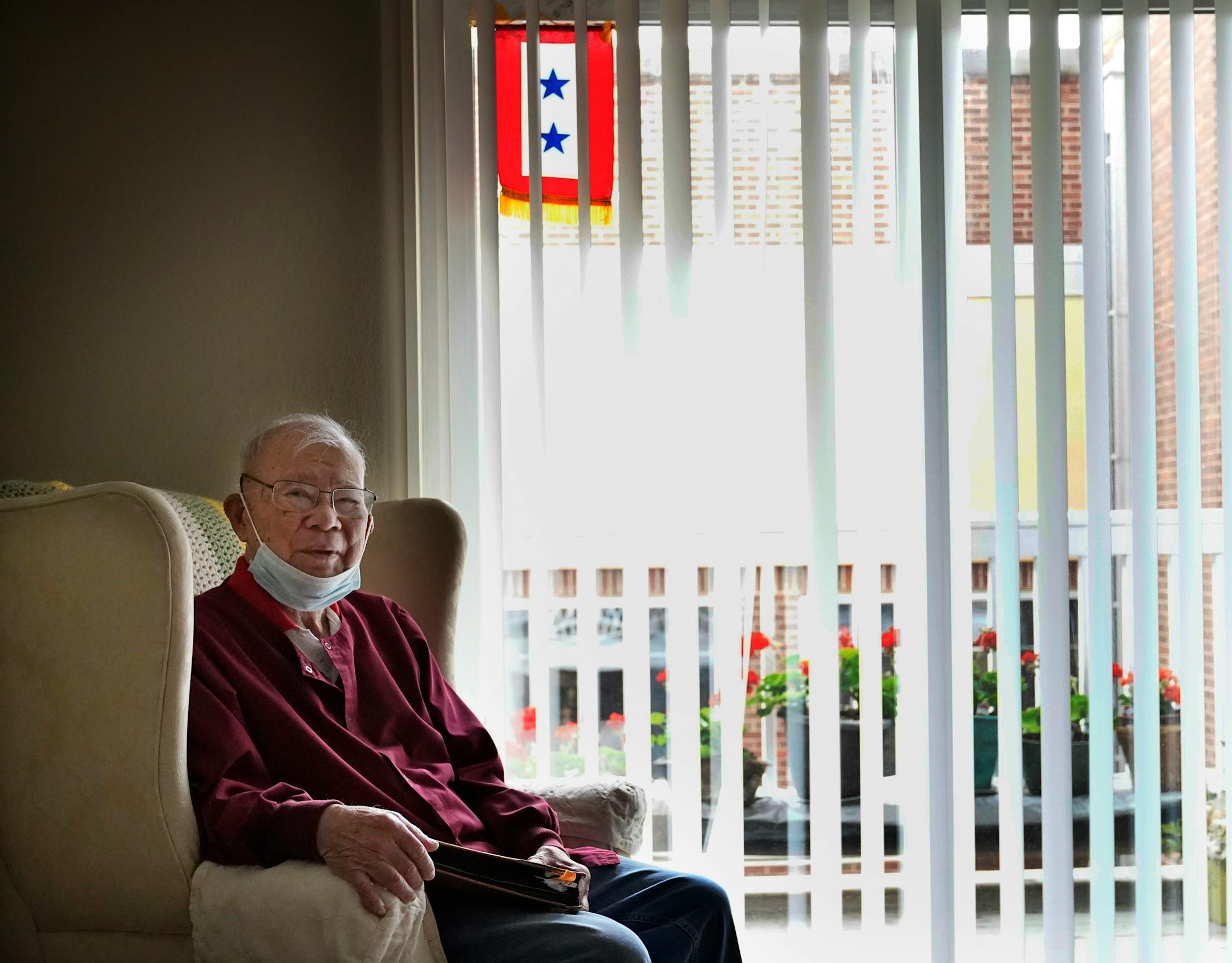
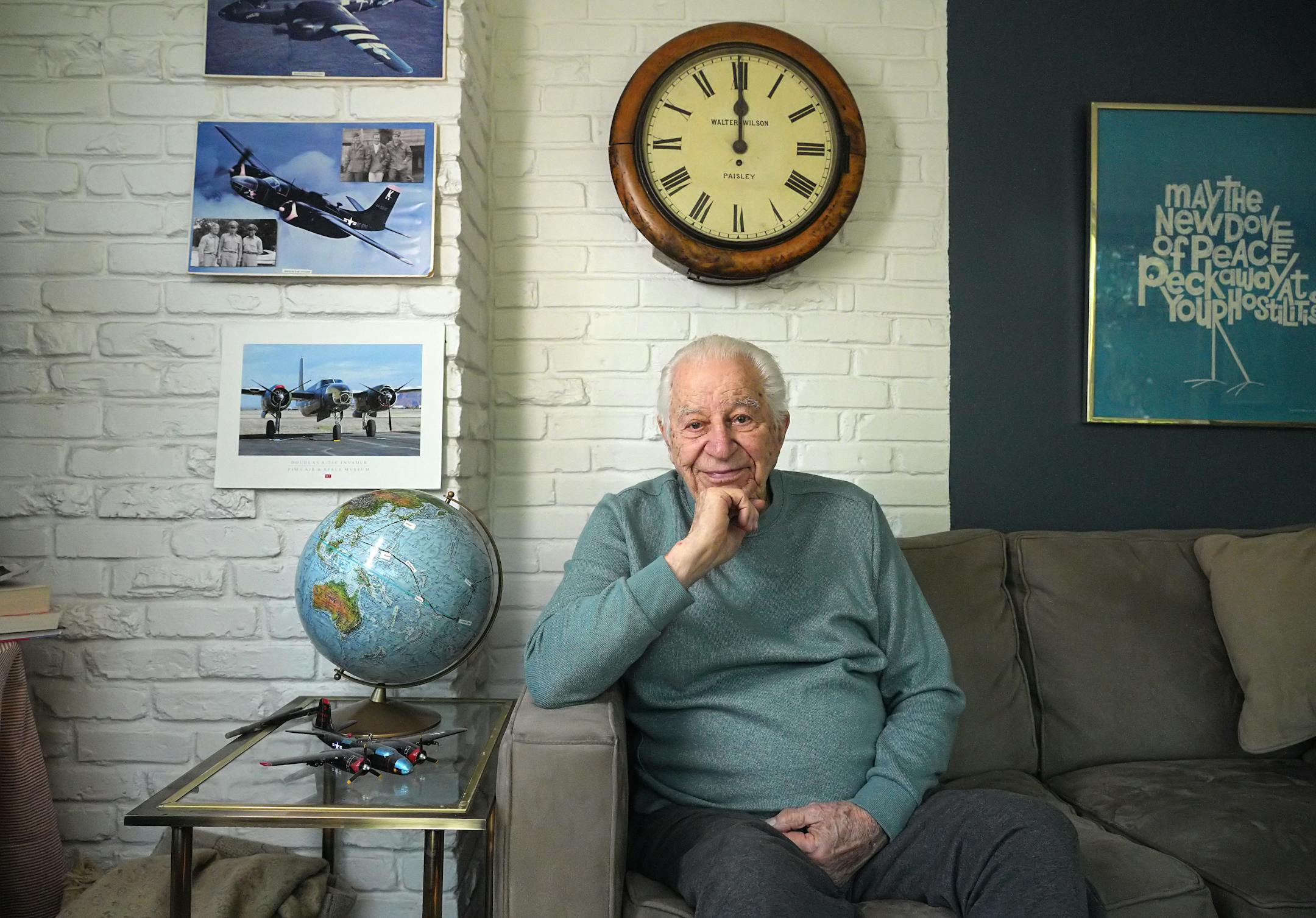
They are among the last of their kind.
During World War II, more than 16 million Americans served their country in the military. Just over 1 % of them are still alive. In Minnesota, that translates into 5,000 of the 304,500 who served during the war. Every day, the state loses another four World War II veterans.
Three Minnesota farm boys became soldiers at the war's very end. Somehow, they were fated to outlive almost all of their peers. They are among the remaining witnesses to some of the greatest events in history as well as sources of the kind of wisdom that only comes with age.
The power of purpose
At 96, Hollis Schwartz wears hearing aids, has had his hips replaced and his prostate gland removed. But his eyes are sharp and his memory is sharper.
The Chaska resident can rattle off the date he was inducted in the Army (Jan. 18, 1945), where he was trained (Camp Joseph T. Robinson in Arkansas), and the name of the troop ship (the "Juan Flaco Brown") that transported him across the Pacific for the invasion of Japan. The Army trained him to be a replacement infantryman, ready to step into combat when another soldier was killed or wounded.
Schwartz had grown up in a farmhouse lit with kerosene lamps, milking cows by hand and cultivating corn with horses in Le Sueur County's Sharon Township. He saw the ocean for the first time when he enlisted.
After four weeks at sea — sailing under blackout conditions and radio silence — his ship landed in the Philippines on Aug. 28. That's when Schwartz learned that the war was over, that the U.S. had dropped atomic bombs on Hiroshima and Nagasaki on Aug. 6 and Aug. 9 and that Japan had effectively capitulated on Aug. 15.
Schwartz was still sent to Japan as part of the occupation. He remembers the devastation that wartime bombing had brought to the country. "The smell of human bodies was there for months," he said.