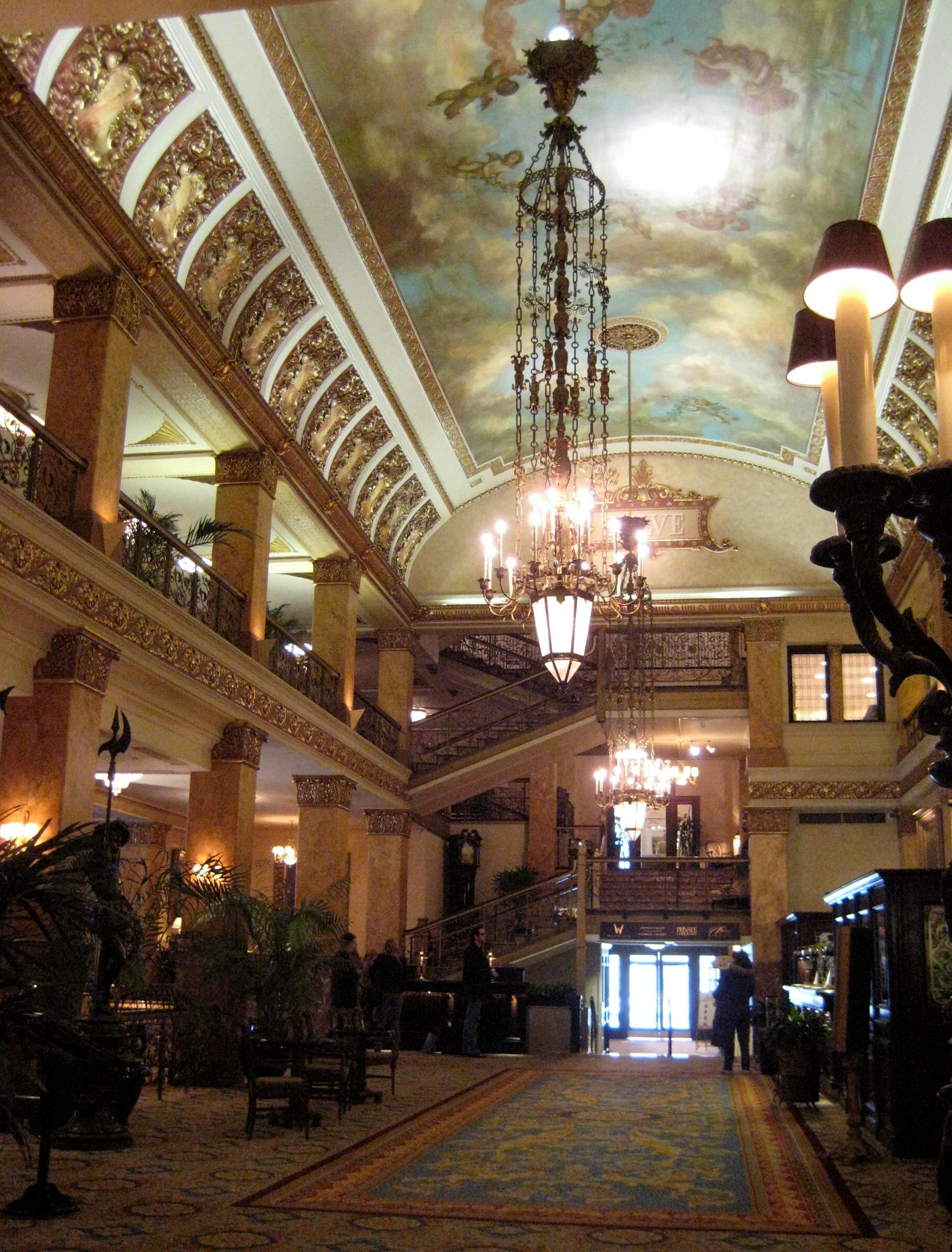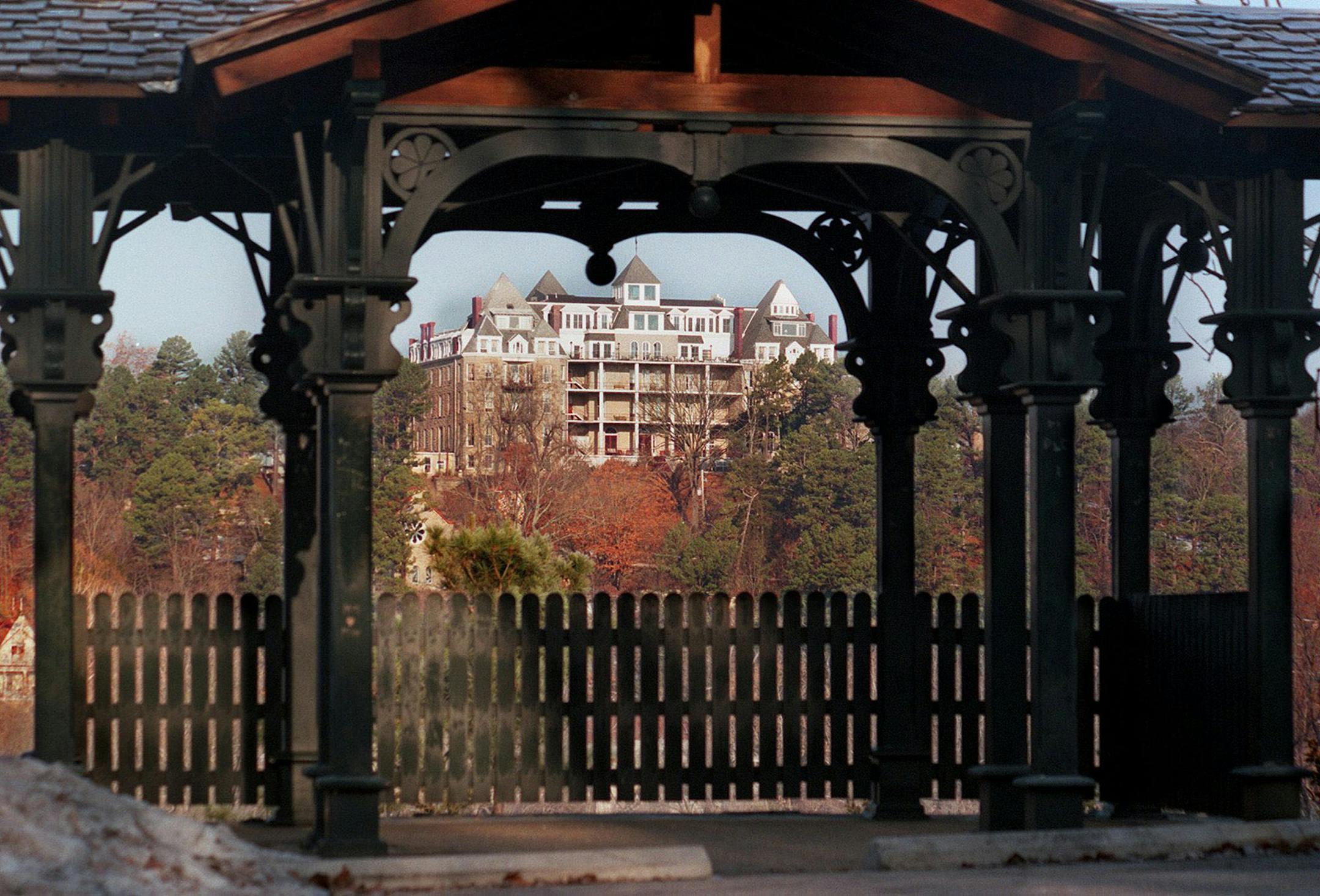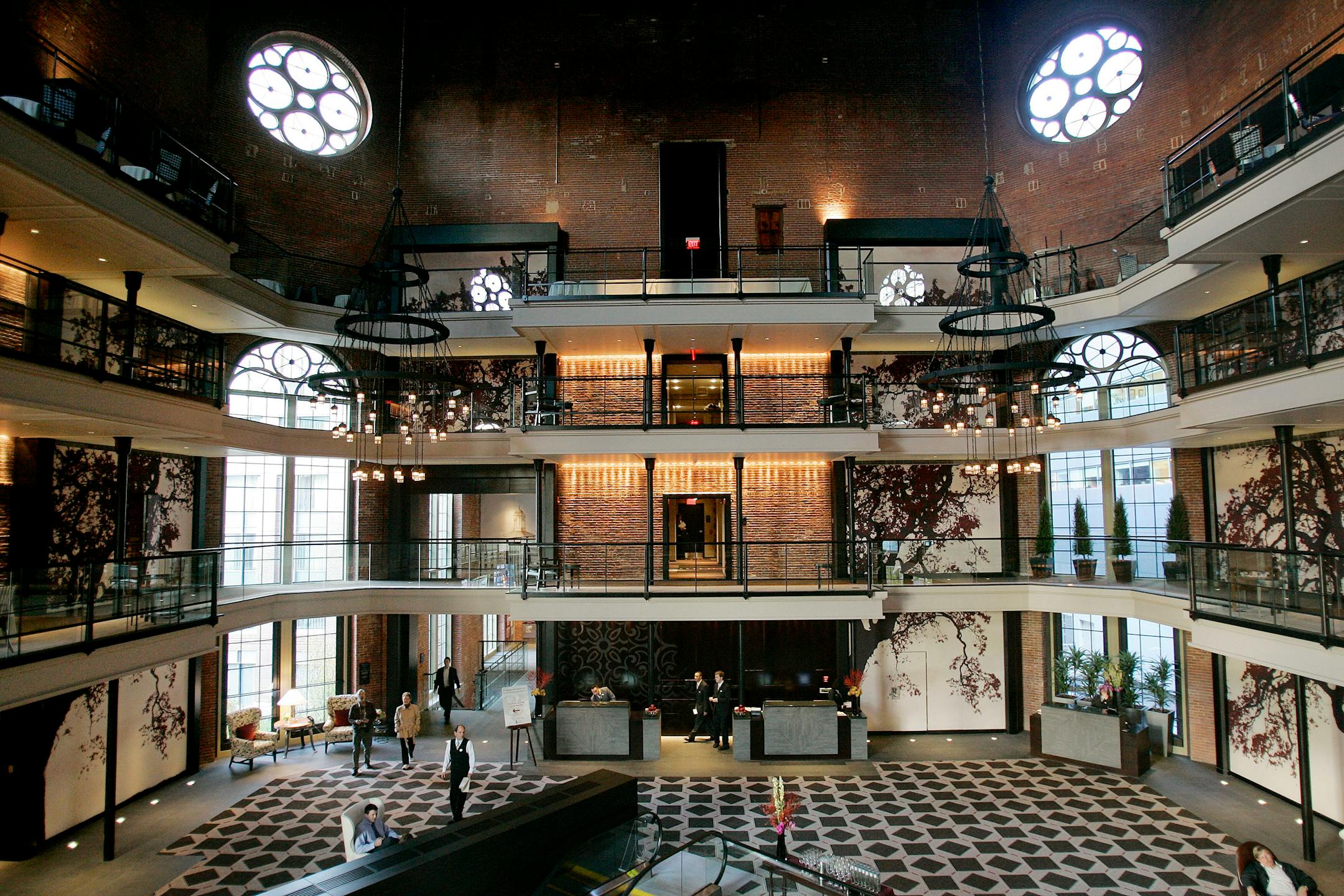
In an age when boutique hotels vie for dollars with Instagram-worthy amenities, some properties have discovered that their greatest asset may be their checkered past.
A growing number of hotels built in such places as former prisons, cult compounds, defunct military installations and graveyards are banking on dark, dramatic histories.
Here are seven places to stay where the mood has a hint of the macabre.
McMenamins Edgefield, Troutdale, Ore.
McMenamins Edgefield, about 15 miles outside Portland, offers a relaxing atmosphere where guests can sip craft beer, book a massage or swing a golf club.
Few guests realize that they’re staying at what was once known as the Cedars, believed to be among the first detention centers for women accused of carrying sexually transmitted infections. The Cedars opened in 1917 as part of a public panic around social hygiene, fueled by the fear of male troops being infected. Thousands of women were confined, often without due process, across the country.
“Of course it was always the woman’s fault,” Caitlin Popp, a tour guide manager with McMenamins, said. “It was very much of its time.”
The Cedars closed in 1923 after negative press when Ruth Brown, a Black woman, successfully sued for freedom. A portion of the site became a “poor farm,” a publicly funded institution that provided food, shelter and employment. Then it was converted into a military academy for boys, doctor and nurse staff housing, and a residence for older adults until it fell into disrepair in the 1980s. McMenamins began its revival in 1990 with a “cleansing” performed by a pipe-and-drum band.
The building that once housed the Cedars is now a spa with an attached soaking pool. A vegetable garden supplies the restaurants, and a former detention building has been converted to storage and artists studios. The hotel maintains a “ghost log” for guests to chronicle supernatural encounters, which has many entries, particularly for the “most haunted room,” 215, where a large pentagram was once spray-painted on the floor.