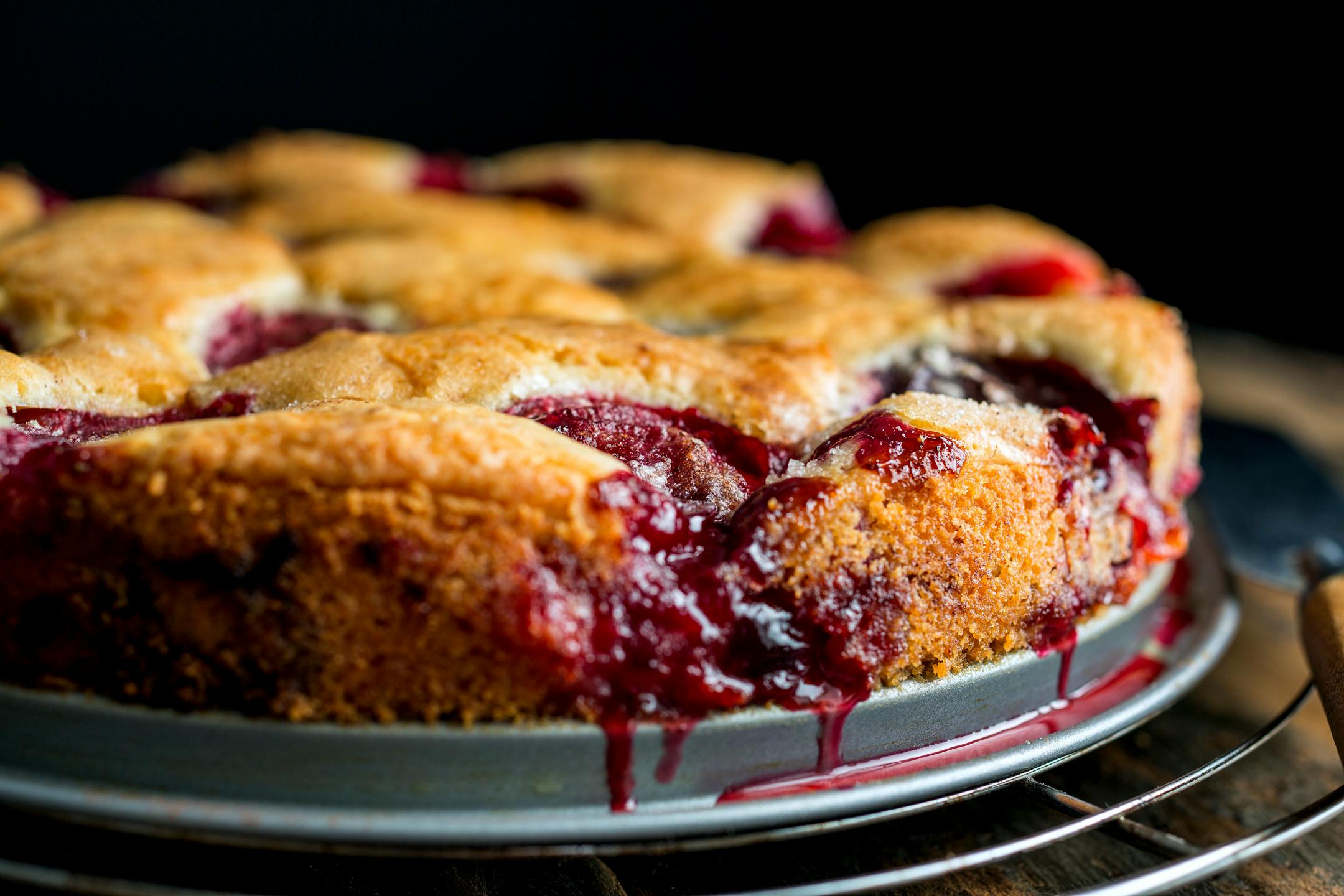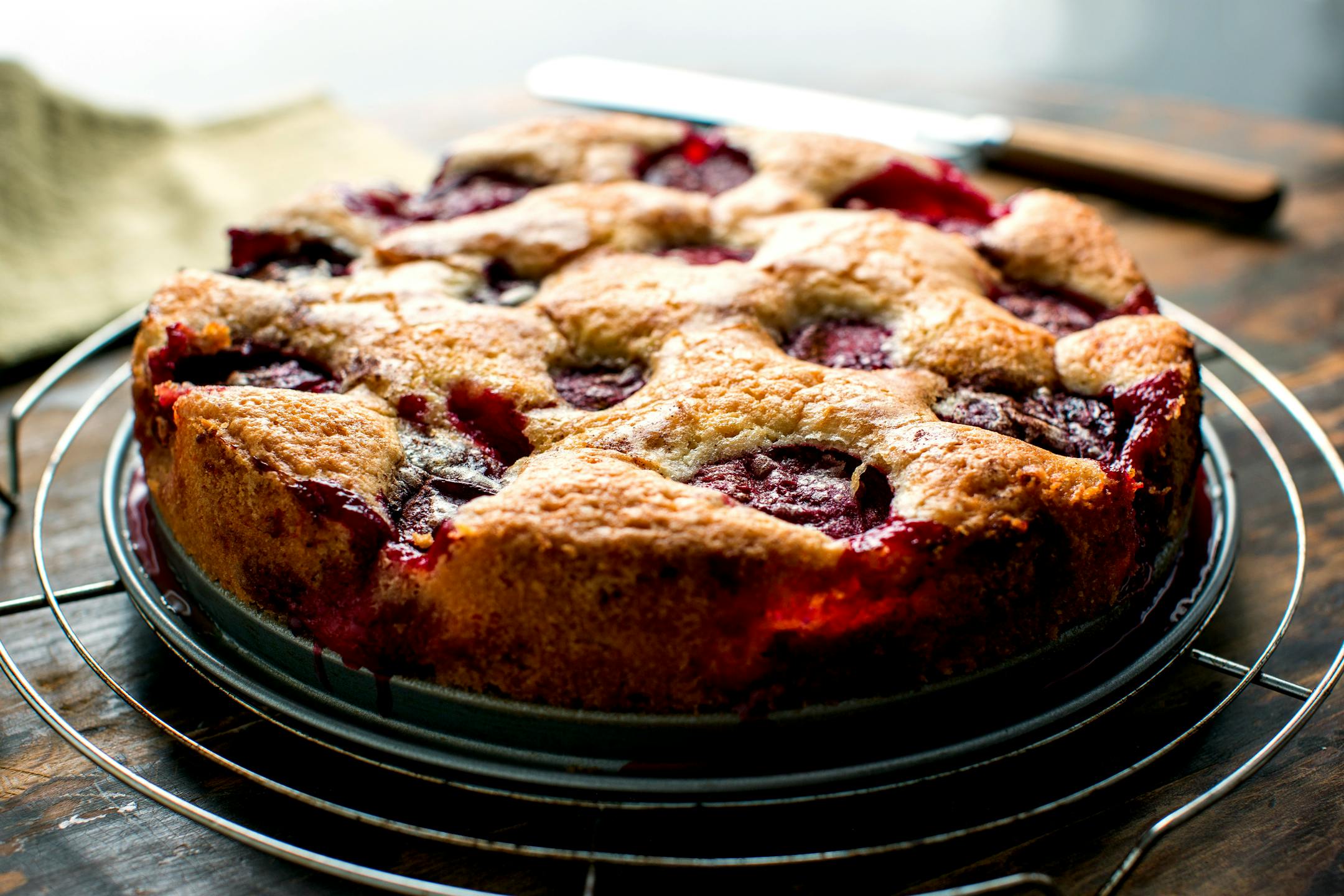
I'd never tasted — let alone baked — the dazzling plum torte from the New York Times, despite its firmly entrenched role in the national baking consciousness.
Fortunately, my pal John rectified that sorry situation. He's one of the most gifted and inspiring bakers in my friend circle, and last fall showed up on our screen porch bearing a gorgeous rendition of the torte.
It was bewitchingly fragrant and still slightly toasty from the oven. One heaping forkful later, I was a convert. When I learned how easy it is to prepare, I became a zealot.
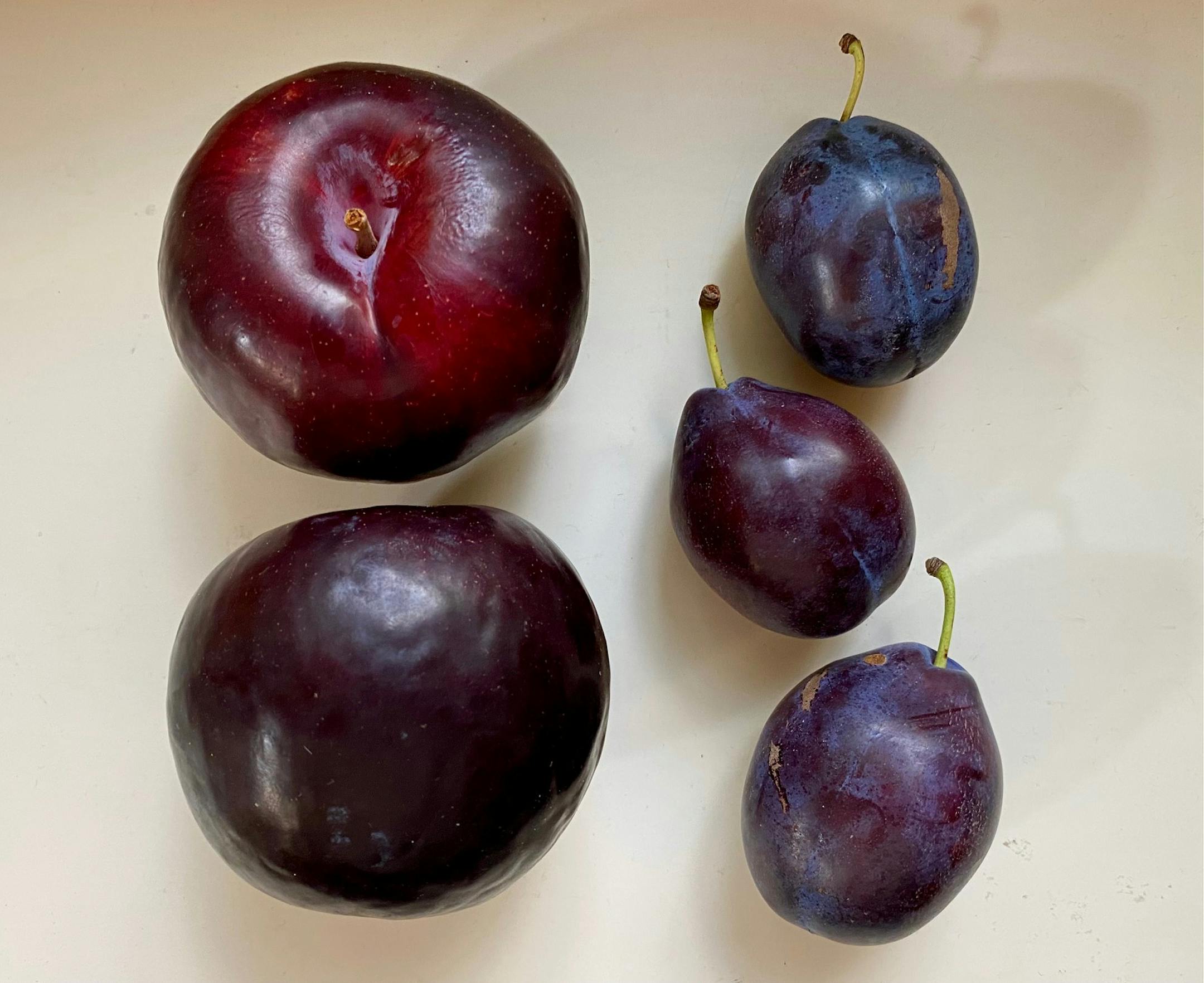
The recipe's secret weapon? Juice-laden, slightly tart Italian plums. Also known as prune plums, they're oblong, with dark purple skins, and they're smaller than their more familiar supermarket counterparts. Look for them to materialize sometime between Labor Day and Halloween.
In a cruel twist, Italian plums are also the recipe's weakness. Sadly, this is a fruit that does not enjoy the universal availability of, say, Honeycrisp apples.
"That's because there are fewer people growing them," said Matthew Schlimme, senior supply chain manager for Co-op Partners Warehouse in St. Paul, which supplies 450 stores in seven Midwestern states. "Lots of farms are getting rid of anything that's atypical, or niche or unique, and replacing them with more highly sought-after, profitable fruit."
But scarce does not equal unobtainable. I recently encountered bags of Michigan-cultivated beauties at Lunds & Byerlys.
Schlimme advised searching farmers market stands for locally grown varieties, and said that Wedge Co-op and Linden Hills Co-op in Minneapolis will likely have Italian plums on hand.