
There’s a matcha shortage. Could Minnesota outdrink its supply?

Demand for matcha has doubled in the Twin Cities, according to sellers. Coming off a weak 2025 harvest, they are struggling to keep up — and to keep prices down.

For the Minnesota Star Tribune
October 2, 2025 at 9:51PM
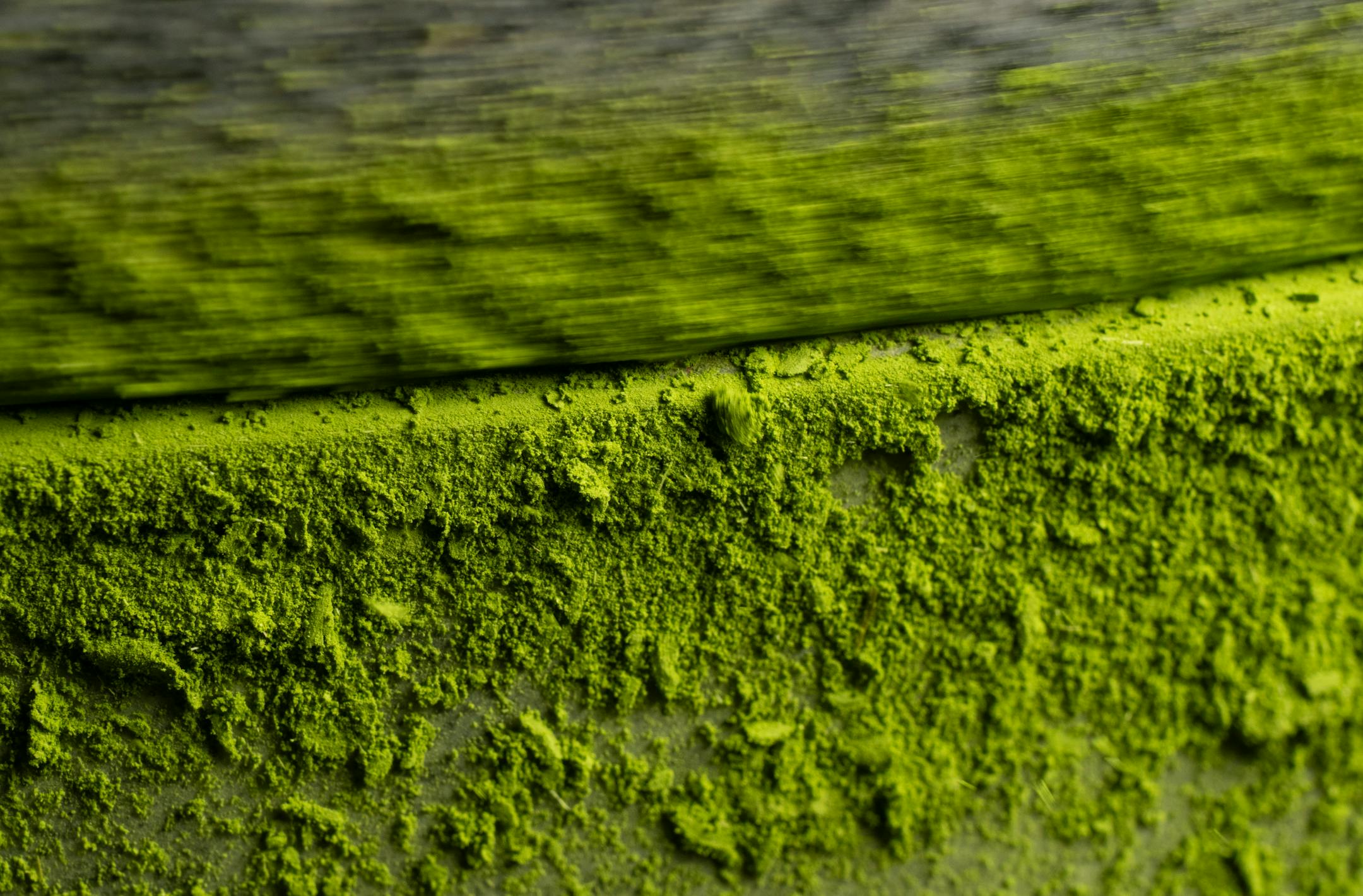
Finely ground matcha emerges from the spinning mill stone at Northeast Tea House in Minneapolis. (Jeff Wheeler/The Minnesota Star Tribune)

Veronica Nelson walked into SK Coffee in the downtown Minneapolis skyway determined to get her $7 matcha latte.

“I just can’t have it anywhere else,” the Minneapolis resident told barista Haley Voehl.

Nelson shares the craving for the premium Japanese tea with a growing number of people in the Twin Cities. SK Coffee has doubled its matcha sales in the past year, according to owner Nate Broadbridge. The Northern Lights Tea Co., a Minneapolis-based wholesaler, has seen its sales jump 120%.
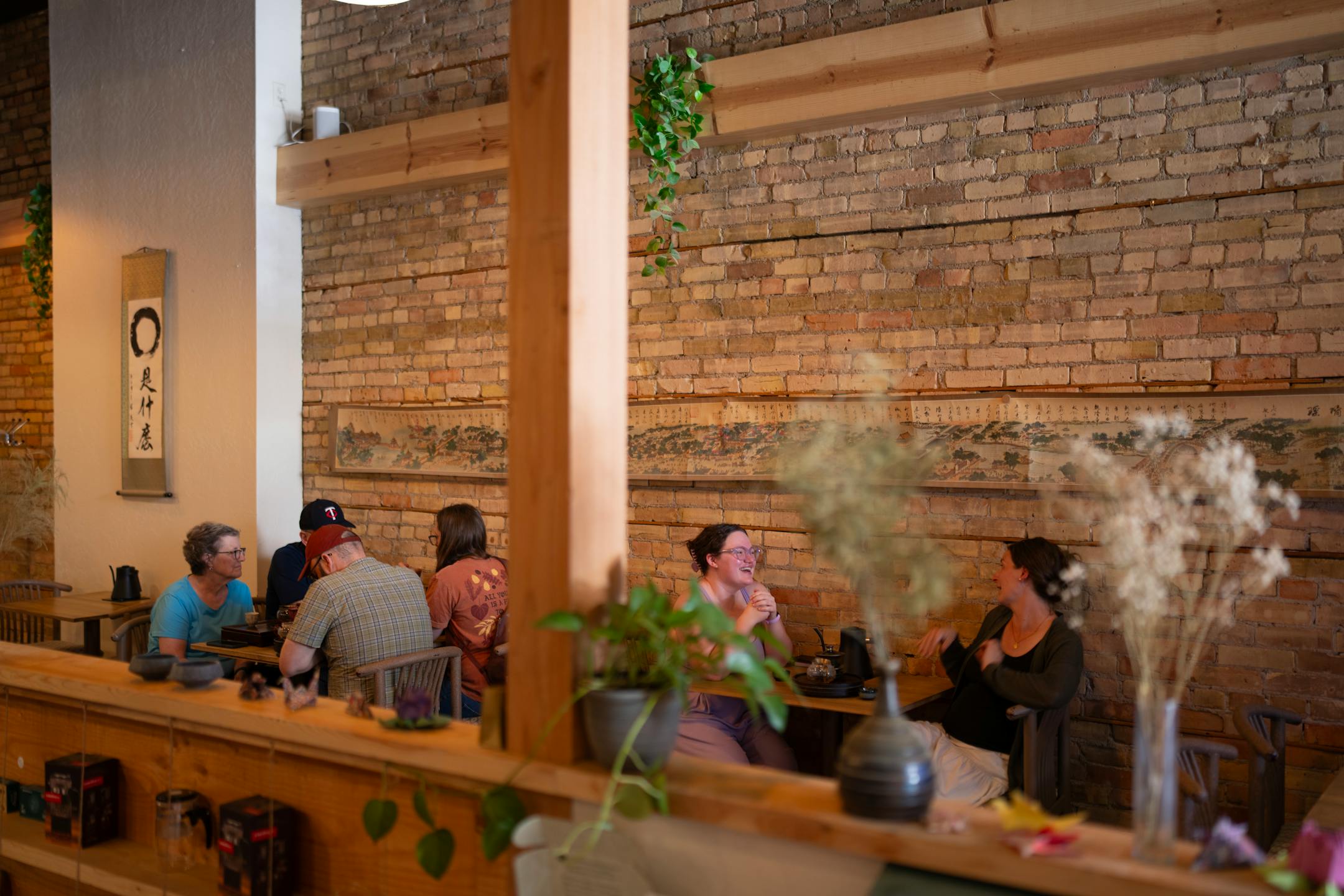
The rear room at Northeast Tea House. Even though they’ve been open for five years now, Northeast Tea House was only the second matcha mill in the entire United States, and the only one that mills matcha for consumption on site. (Jeff Wheeler/The Minnesota Star Tribune)

But the surge in demand comes during a terrible time, after spotty weather in Japan scythed harvests and sent matcha prices soaring over the summer. Now, after the harvest has concluded and prices stabilized, the concern for local matcha sellers is simply keeping the popular drink in stock.

As Minneapolis threatens to out-drink its supply, the city’s burgeoning craft matcha scene still keeps pressing — and paying — onward.

“We do have to understand that a lot of those experiences, those prices, are going to go up,” Voehl said.

Minneapolis might not come to mind as an American hotspot for matcha. It certainly wasn’t when, in 2020, Simon Parish opened Northeast Tea House, a Japanese matcha mill a few blocks from the Mississippi River. At the time, Parish was only the second person milling his own matcha in the country.
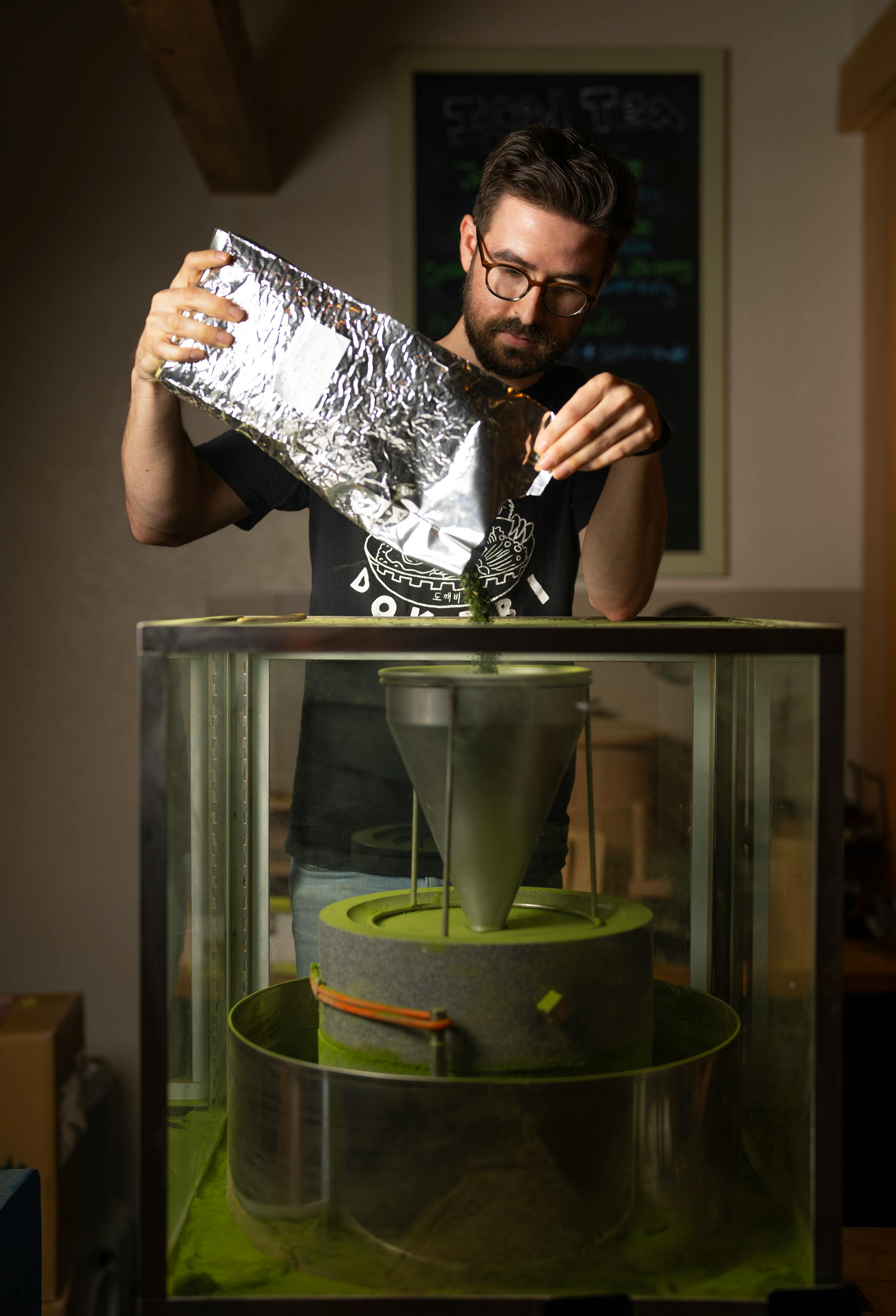
Simon Parish pours tea leaves, called “tencha,” into the countertop mill for grinding into matcha at his Northeast Tea House. (Jeff Wheeler/The Minnesota Star Tribune)

Since then, matcha has sprouted up on Twin Cities menus alongside Northeast Tea House, which supplies the powder that local cafes, like SK Coffee, whisk into a foamy green drink. It’s a beverage made for Instagram and TikTok, and nationwide interest in the Japanese tea has exploded on those platforms amid a larger fascination with East Asian cultures.
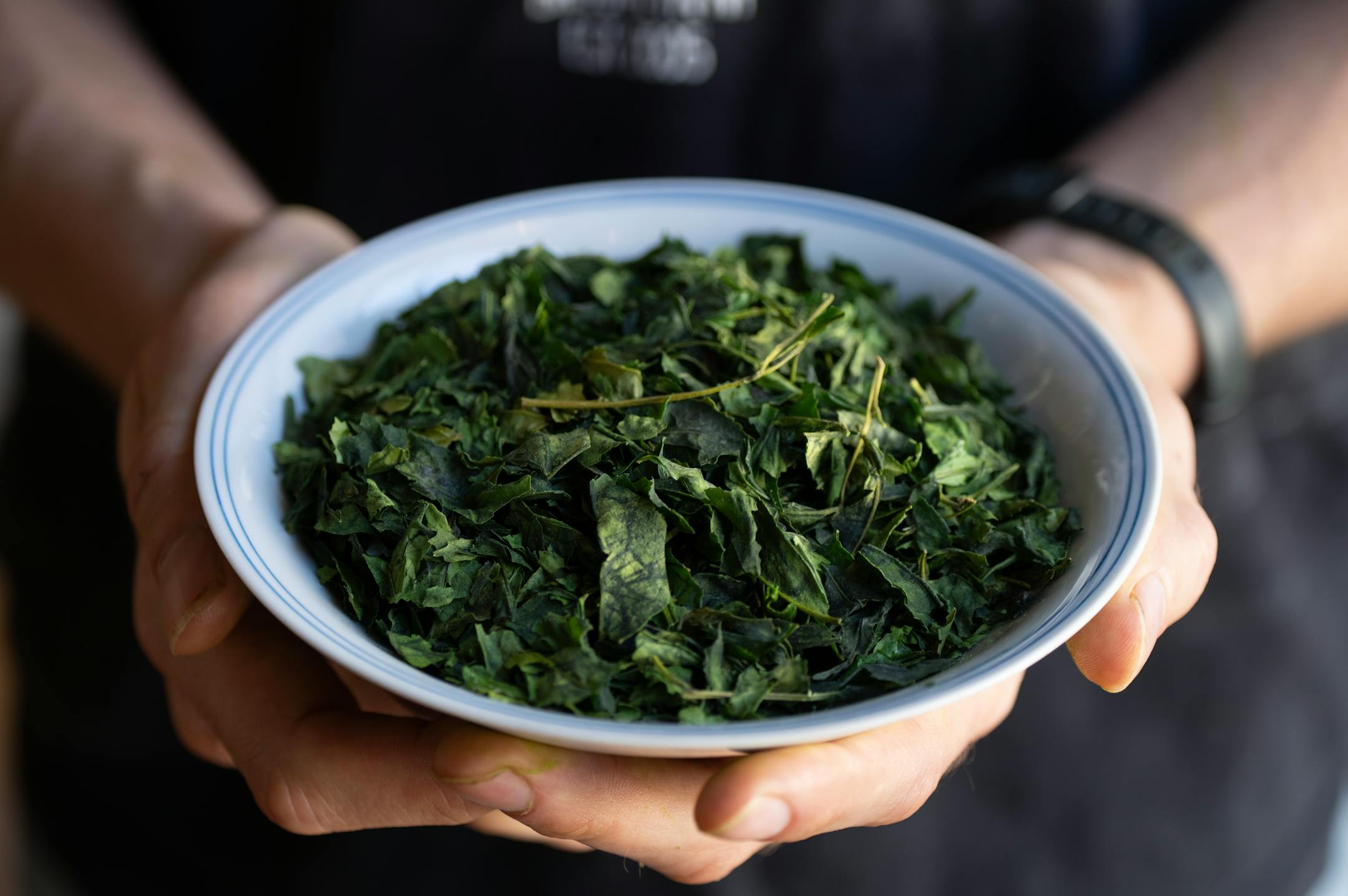
But the current popularity of matcha, which isn’t an everyday tea in Japan like it is for some stateside enthusiasts, has posed a fundamental challenge for the industry. Only 2% of Japan’s tea fields are dedicated to growing the leaves that become matcha, Parish said. And if you grind those leaves too fast, he added, you’ll degrade the flavor. A mill like his only churns out some 40 grams of matcha per hour, enough for just 20 cups of tea.

“They literally can’t keep up,” he said.

Matcha grows best in the cool, wet areas of Japan. But heatwaves tore through the country’s tea fields this summer. Parish said his leaves almost doubled in price. Angie Lee, owner of boutique Moona Moono in Uptown, said hers jumped 40% “overnight” in August, after tariffs hit imports. Lee absorbed the loss in September but is exploring raising prices on her matcha products.

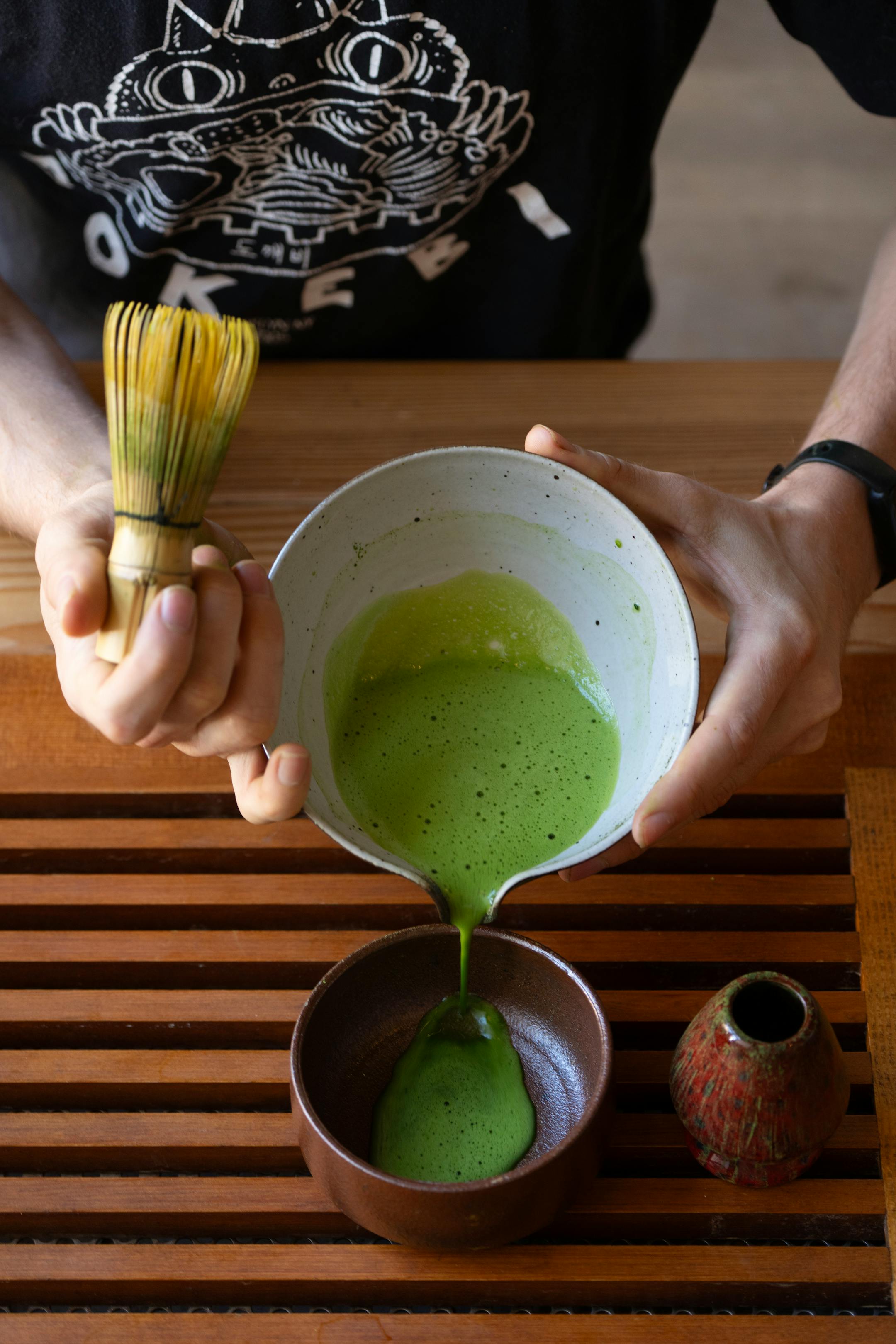
Simon Parish pours freshly prepared matcha tea into a bowl at his Northeast Tea House. (Jeff Wheeler/The Minnesota Star Tribune)

That’s likely the last consumer-sided price increase until farmers harvest a new crop of leaves in the spring, several matcha sellers said. But as the next harvest grows, the pressure shifts from customers to sellers.

Parish said his producers have stashed away enough matcha to last him through the year. But if demand spikes again in the winter, Parish is worried he might run out. Northern Lights, the other wholesaler, stopped selling one of its varieties of matcha after its producer abruptly announced they’d run out of their backstock, according to owner Noel Martin.

Every few days, Parish turns down new wholesale inquiries, hoping to ration his precious leaves.

“[Japan] isn’t currently set up for a whole world that loves matcha,” he said.

SK Coffee, Northeast Tea House and Moona Moono all use ceremonial grade matcha, ground from the tea leaves that come off the farm first and give off the deep green hues that attract views on social media. But Lee and Parish have considered lower-grade varieties to help soften price increases.

Raw tea leaves, called “tencha,” in a bowl held by founder Simon Parish at his Northeast Tea House. (Jeff Wheeler/The Minnesota Star Tribune)

Lee bought a box of lower grade matcha when she was opening Moona Moono; she remembers it smelled like fish when she cracked it open. Lee tried it again this summer but said the color didn’t look right. Lee kept the ceremonial stuff, even if some consumers wouldn’t have noticed a lower grade.

“Folks will come in, and they want to try matcha, or they like matcha, but they might have been introduced to matcha as being a very sweetened drink,” Lee said. “There’s also ways in which working with our baristas will often help folks discover what type of matcha they actually like.”

SK Coffee hasn’t raised matcha prices since 2023, but some increases are likely on the horizon next year, said Broadbridge, the owner. The local chain’s $7 latte hasn’t turned off too many Minneapolis customers, whom Voehl describes as having newfound “affluency” around food and beverage tastes.

Voehl found that if she explains how the tea comes from a single origin, if she explains the slow milling, if she explains that SK’s matcha is designed to be an “experience” and not an energy drink, then most people understand the price.

“That’s a gamble, right? Because there’s also a part of you that can always adapt to the neighborhood,” Voehl said. “But our focus is very singular.”

Nelson keeps coming back to SK’s Skyway location. She packed a lunch that day, so the $7 felt like a fair exchange with herself.

“I’m treating it as a treat,” Nelson said.

Correction: A previous version of this story incorrectly said that Moona Moono was raising matcha prices. It is exploring price increases.
about the writer

about the writer

Cole Reynolds

intern

Cole Reynolds is an intern for the Minnesota Star Tribune.

See Moreicon

More from Eat & Drink

See More
card image
Jeff Wheeler/The Minnesota Star Tribune

The Minneapolis brewery told its members it was no longer a “fully functional business.”

card image
card image