

Here's a little-known fact: Most wines are cocktails. With a few notable exceptions, the reds and whites -- but not the pinks -- that we drink are blends of more than one type of grape.
Sometimes they are even an amalgam of red and white grapes. No, not to make rosé. Most champagnes, for example, are made from both pinot noir and chardonnay grapes. In addition, burly red syrahs often get a dose of the floral white grape viognier.
Syrah and viognier are signature grapes of the Rhône region of France, where the spectacular red and white renditions of Châteauneuf-du-Pape contain a slew of grapes (as many as 13 in the rouge). But those are made in the more traditional manner, all red or all white grapes.
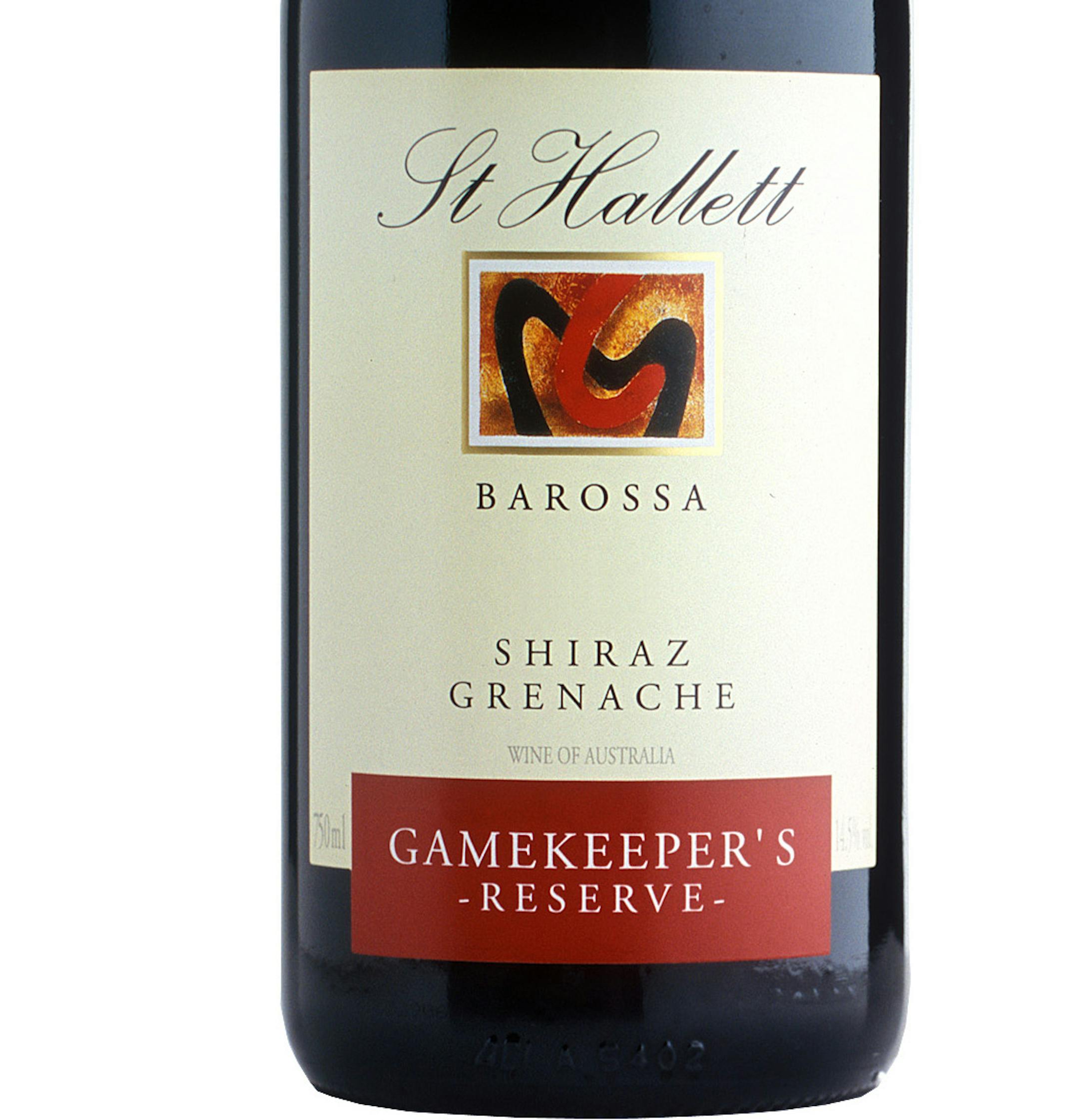
Another wine mecca where blending is popular is Australia, where syrah -- Down Under they call it shiraz -- is often mixed with cabernet to great effect for those who favor racy, jammy wines. The Aussies also like to blend semillon and sauvignon blanc, following the longtime practice in Bordeaux, where those two grapes often are mixed with a dollop of muscadelle.
Red wines from Bordeaux are predominantly cabernet sauvignon (in the Left Bank area) or merlot (Right Bank). But they rarely are 100 percent of either, instead usually an amalgamation of cab, merlot, cabernet franc and/or petit verdot.
The same holds true with wines labeled Meritage. California winemakers came up with that designation (which rhymes with "heritage," by the way) to lend prestige to wines that to that point had little identity. U.S. law requires that for a wine to be called a chardonnay or merlot, there must be 75 percent of that grape in the bottle, and image-conscious wine poohbahs were none too fond of the label "field blend."
About the same time as Meritage emerged, Italian winemakers started blending Bordeaux's noble grapes, cab and merlot, with the local sangiovese to concoct what became known as "Super Tuscans."
There are exceptions. Riesling has such distinctive, clean flavors that it generally is not is blended (and rarely sees oak for the same reason). Wines from Burgundy are "pure," whether they be white (chardonnay) or red (pinot noir). Most wines from the northern Italian subregions of Barolo and Barbaresco are 100 percent nebbiolo.


