

Their movies have been the most consistent in the biz, creatively and commercially, but creators from trailblazing animation studio Pixar nearly always talk about a moment during production when they realized they were doing everything wrong.
Initially, "WALL-E" had an alien invasion. Woody used to be the villain in "Toy Story." The lead of the Mexico-set "Coco" was going to be white. The emotion of Fear dominated early versions of "Inside Out" until creators realized Sadness was a better fit. Instead of a girl fretting that there were monsters in her bedroom closet, "Monsters, Inc." started out being about an adult man.
All bad ideas, and none made it to the screen because Pixar movies are conceived with a "brain trust" of artists. Members of the collective tell each other when they're headed down the wrong path and must scrap completed work because the movie they're making isn't the movie they hoped they were making.
The "Monsters" mistake is particularly revealing. Animated movies have gone in and out of fashion in the past hundred years (in the late '70s and early '80s, even Disney barely made them). When they succeed at the box office, it's usually because they offer a story for kids that adults are willing to sit through, too.
I'd argue that Pixar has flipped that script, making movies for adults that, because they happen to be animated, kids are willing to check out.
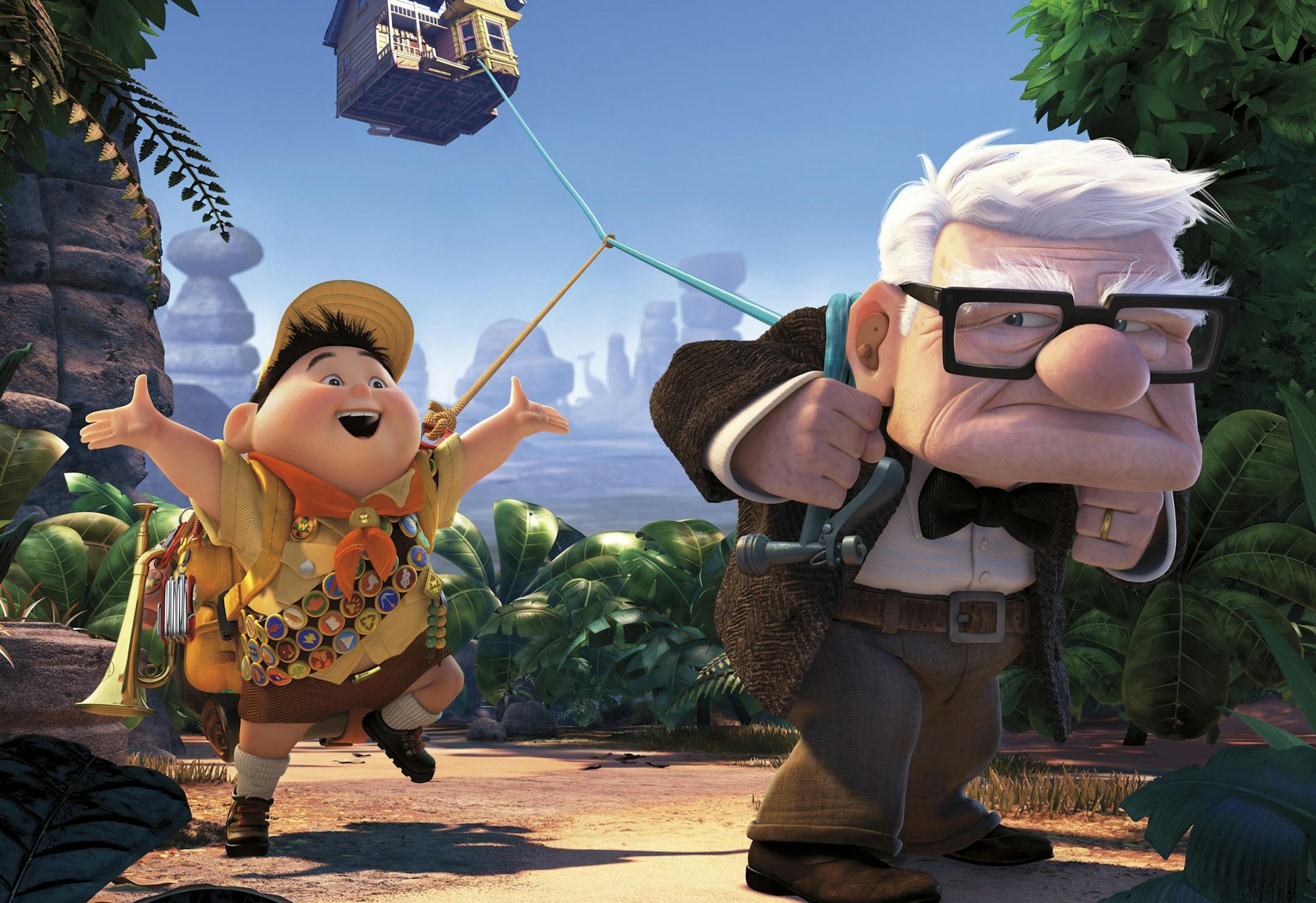
Although the adult scaredy-cat vanished from "Monsters, Inc.," grown-up concerns form the backbone of just about every Pixar movie, whether it's the overprotective parents whose worries kick off both "Inside Out" and "Finding Nemo," the nostalgic portrait of marriage in "Up," the career concerns of "Ratatouille" or the fragile family dynamics of "The Incredibles."
No matter how bright and wacky the cartoon characters look, Pixar creators clearly care most about the emotions of their stories — I've been in interviews where they cried about their childhood toys — which translates into films that make viewers cry, too. From the final goodbye of Nemo's mom in "Finding Nemo" to the stars of "Toy Story" saying "hello" to a new owner in "Toy Story 3," these emotions have led writers to produce think pieces. Lots of them.
Despite its impeccable box office record, Pixar has not been perfect. Founder John Lasseter departed the company because his behavior made employees uncomfortable. Representation has been an issue, largely because the early stories sprang from the personal experiences of the middle-aged white guys who launched the studio.


