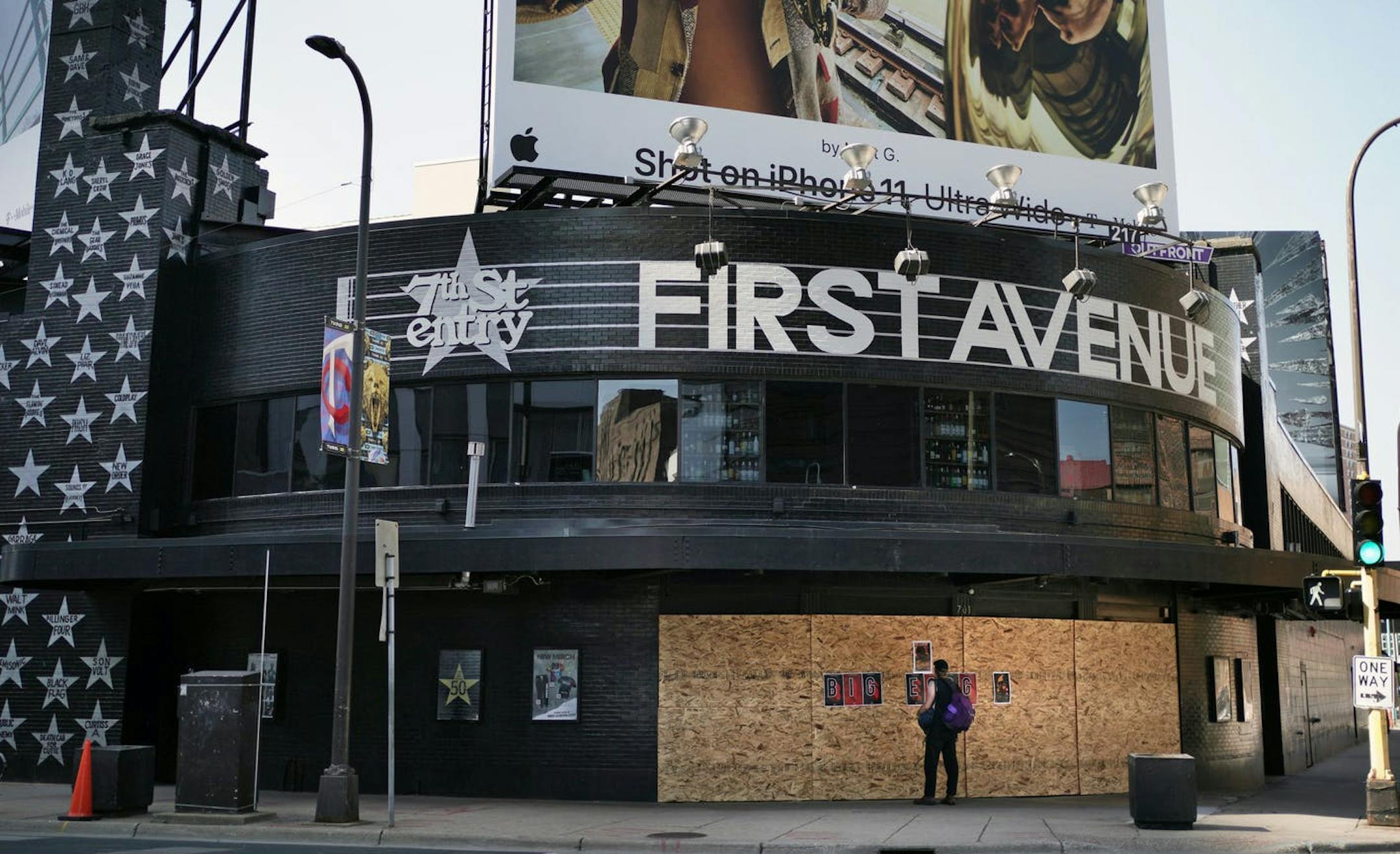
One of the happiest moments I've witnessed at First Avenue occurred this past January. What a deceptive start to the year that was.
It arrived at the end of First Ave's annual Best New Bands showcase, which proved unusually solid and entertaining start to finish this time around — from the smooth electro-emoting of FruitPunchLoverBoy to the reverberating psyche-rock of Muun Bato to the anti-hipster Southern rock of the Mae Simpson Band.
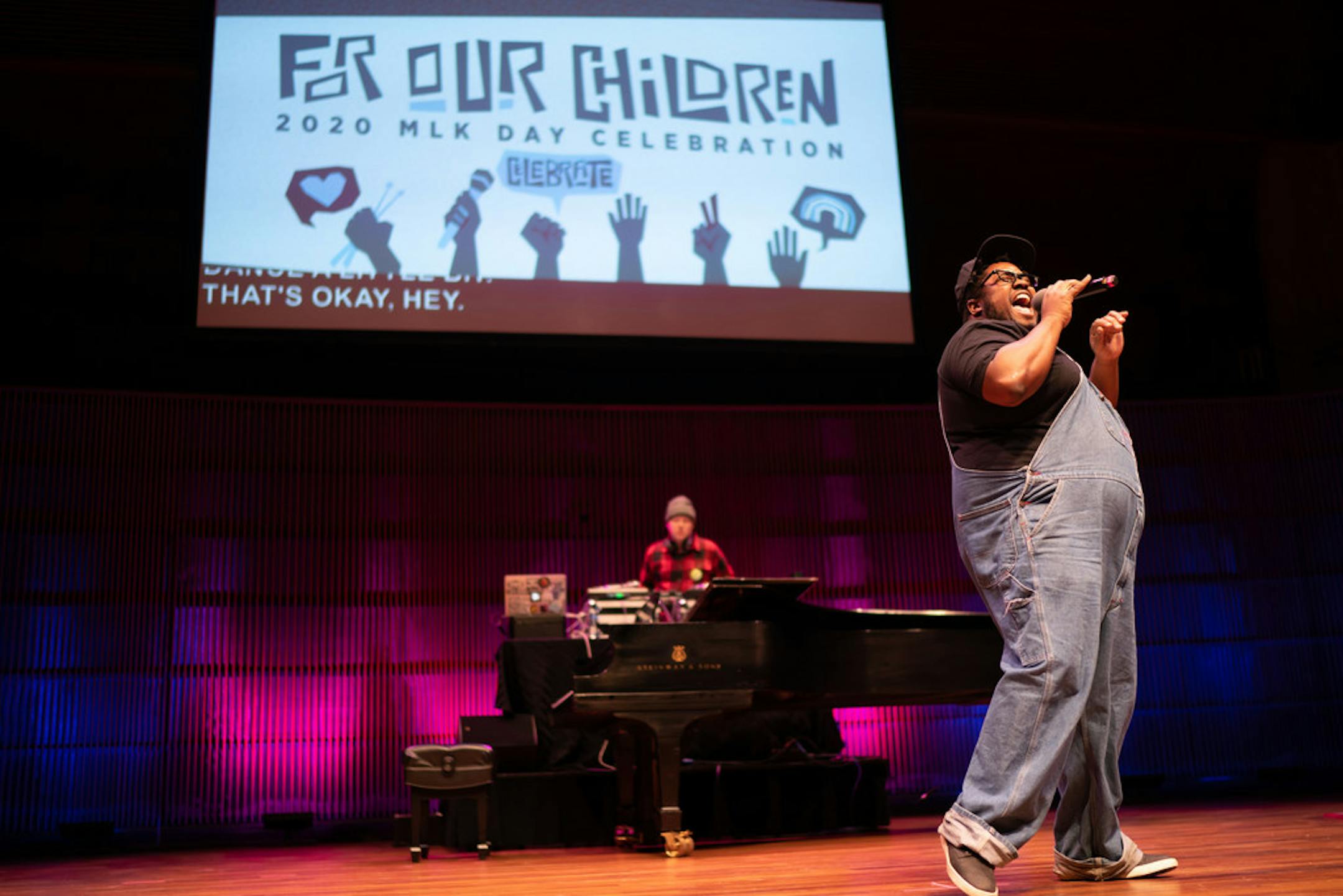
And then came Nur-D.
The comic-book-loving Black rapper from the largely white exurb of Rosemount brought along a full band, horn section, stage props, giddy dancers and an own-the-moment zeal to rule the room that night. His thrilling performance would've easily led to a breakout year in normal times.
You could trace the downward spiral of 2020 through Nur-D's trajectory the rest of the year.
In March, he became one of the first local musicians to embrace livestream gigs. In April, he earnestly cranked out one of the scene's first quarantine records, "Trapped in My Room." Then when the George Floyd tragedy happened in May, Nur-D turned into something close to the superheroes he adores: He manned first-aid stations during the citywide protests despite facing violence — and even after getting arrested for breaking curfew.
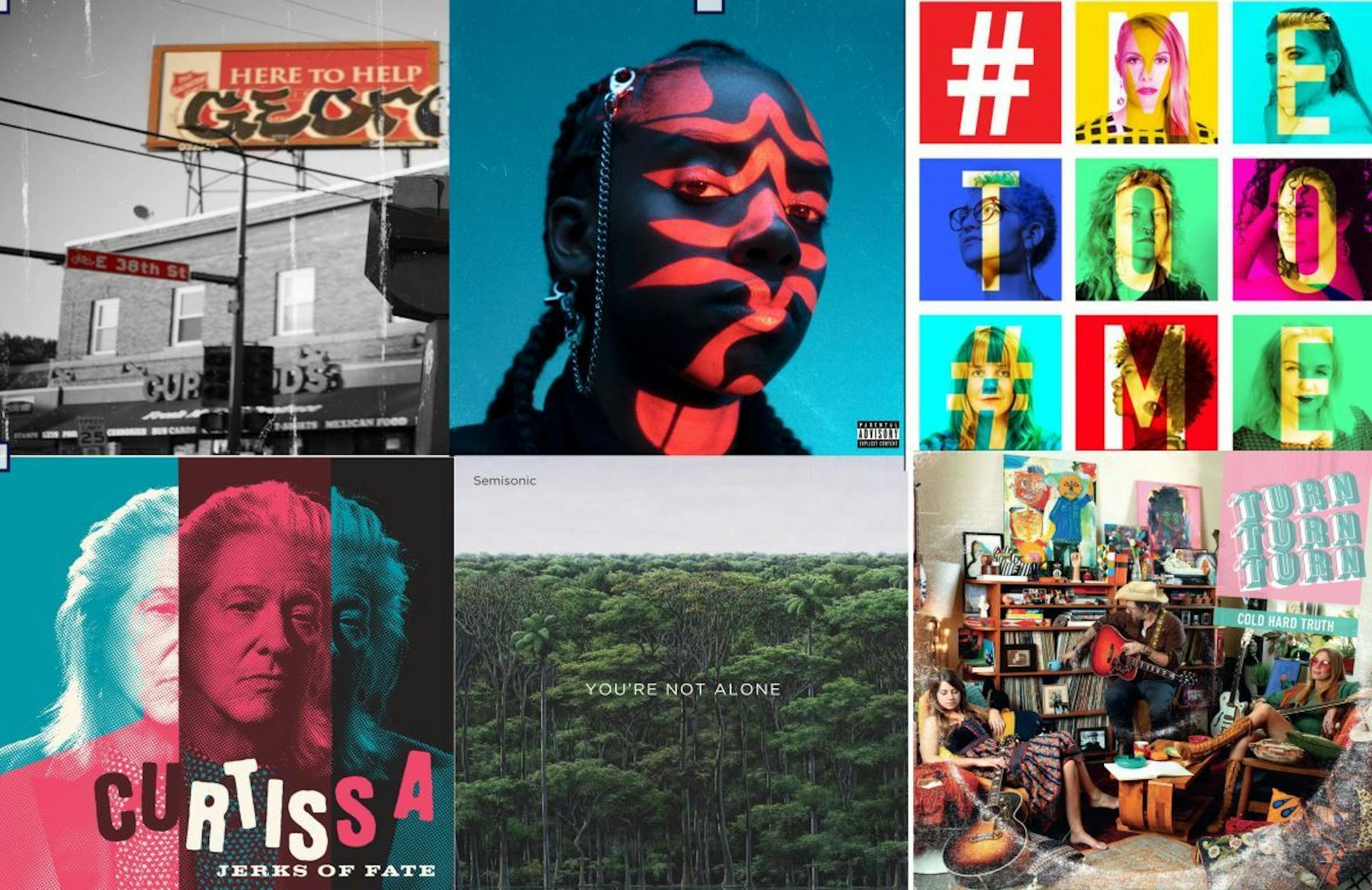
And now, at year's end, Nur-D has put out a very different kind of album. It's titled "38th" after the street on which George Floyd was fatally pinned for nine minutes. In dark, bewildered, contemplative tones, the album summarizes how much 2020 changed this once happy-go-lucky rapper.
That's sort of what happened to the Twin Cities music scene on the whole this year. It pivoted. It grew. It helped others while navigating its own dire straits. It changed forever.