0:59
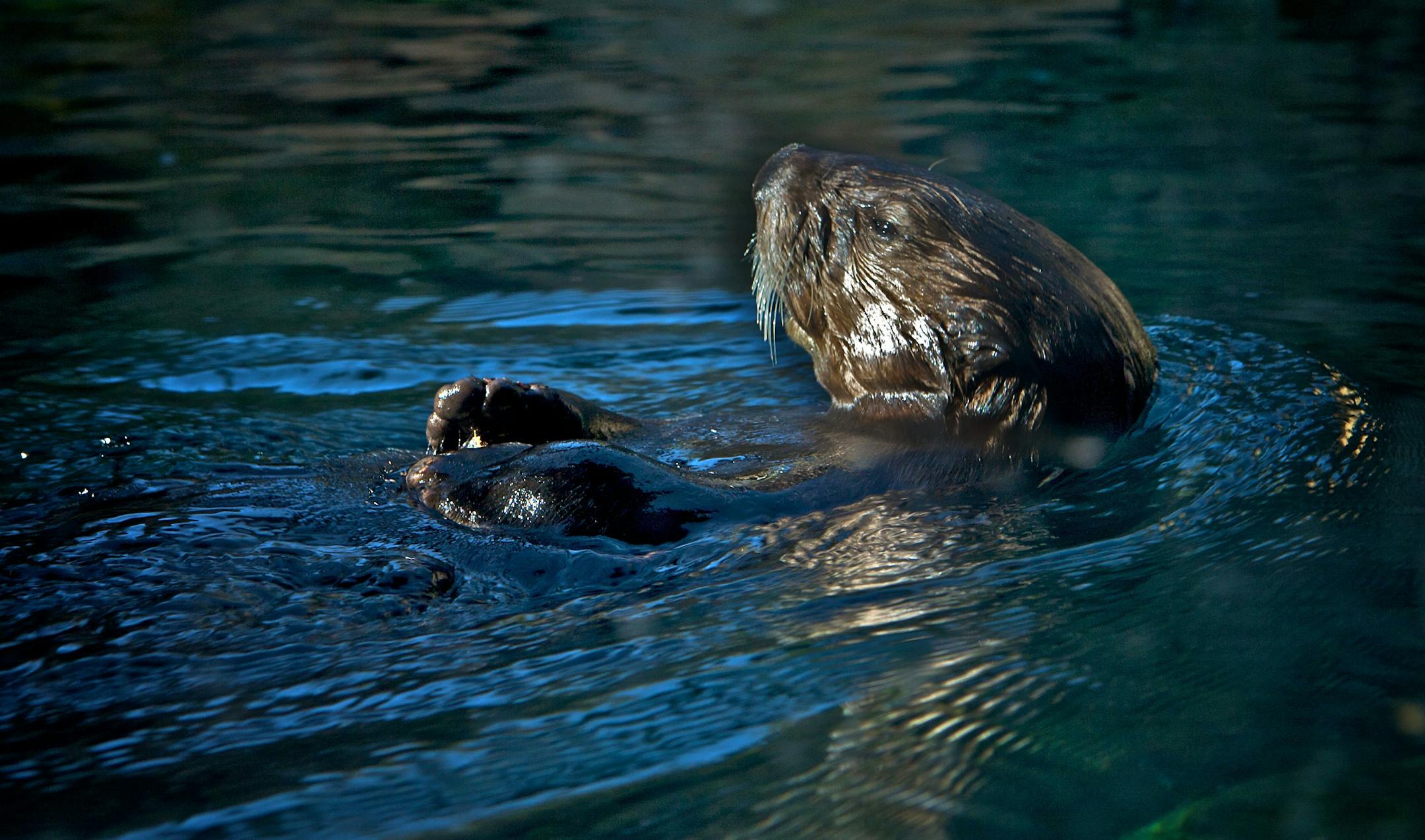
0:59There's a place in Minnesota where temperatures don't tumble, snow doesn't fly and water never seizes into ice. It's a magical realm of shimmery blue water where dolphins dance, sharks prowl and otters wriggle and play: the Minnesota Zoo.
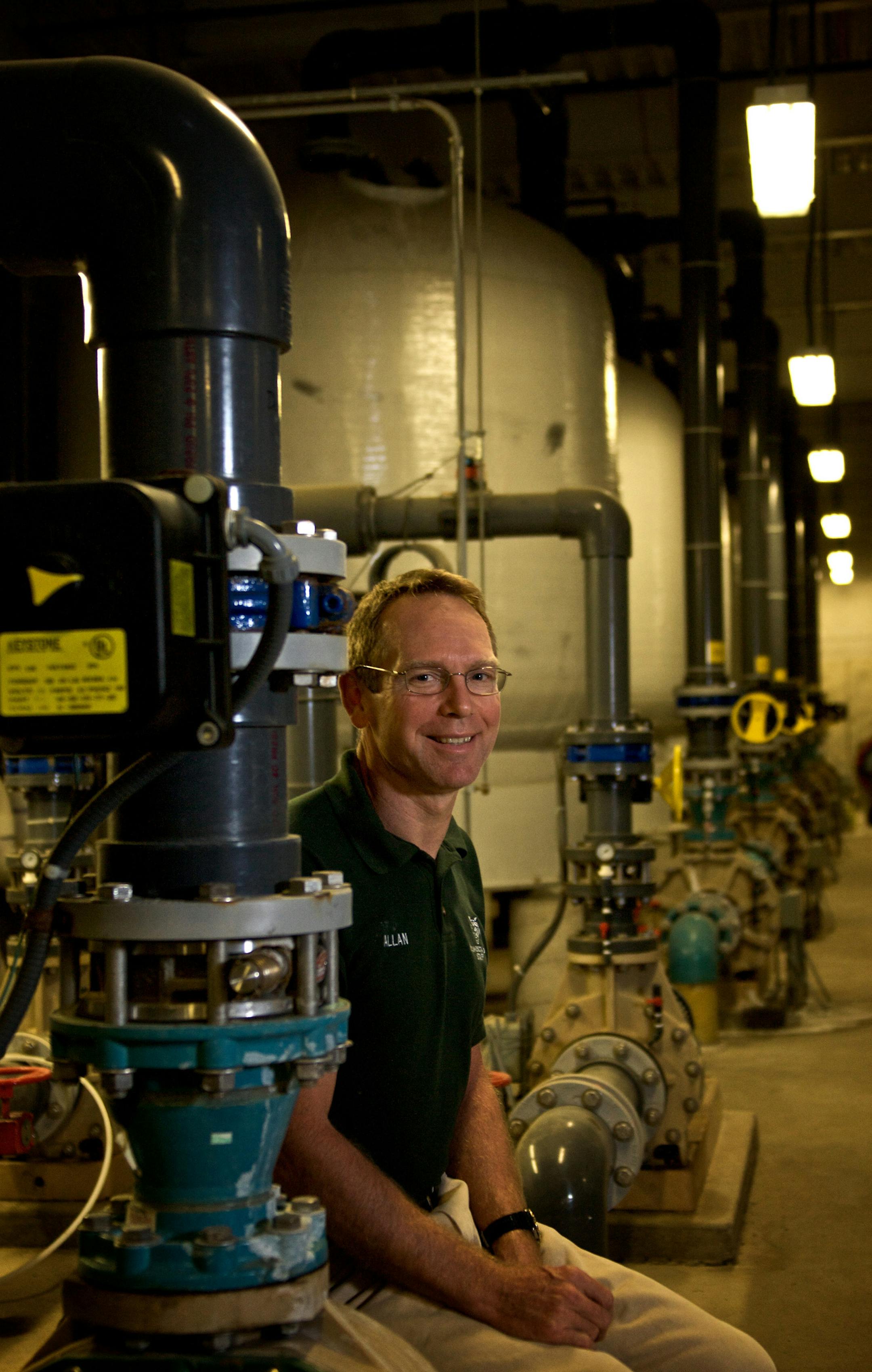
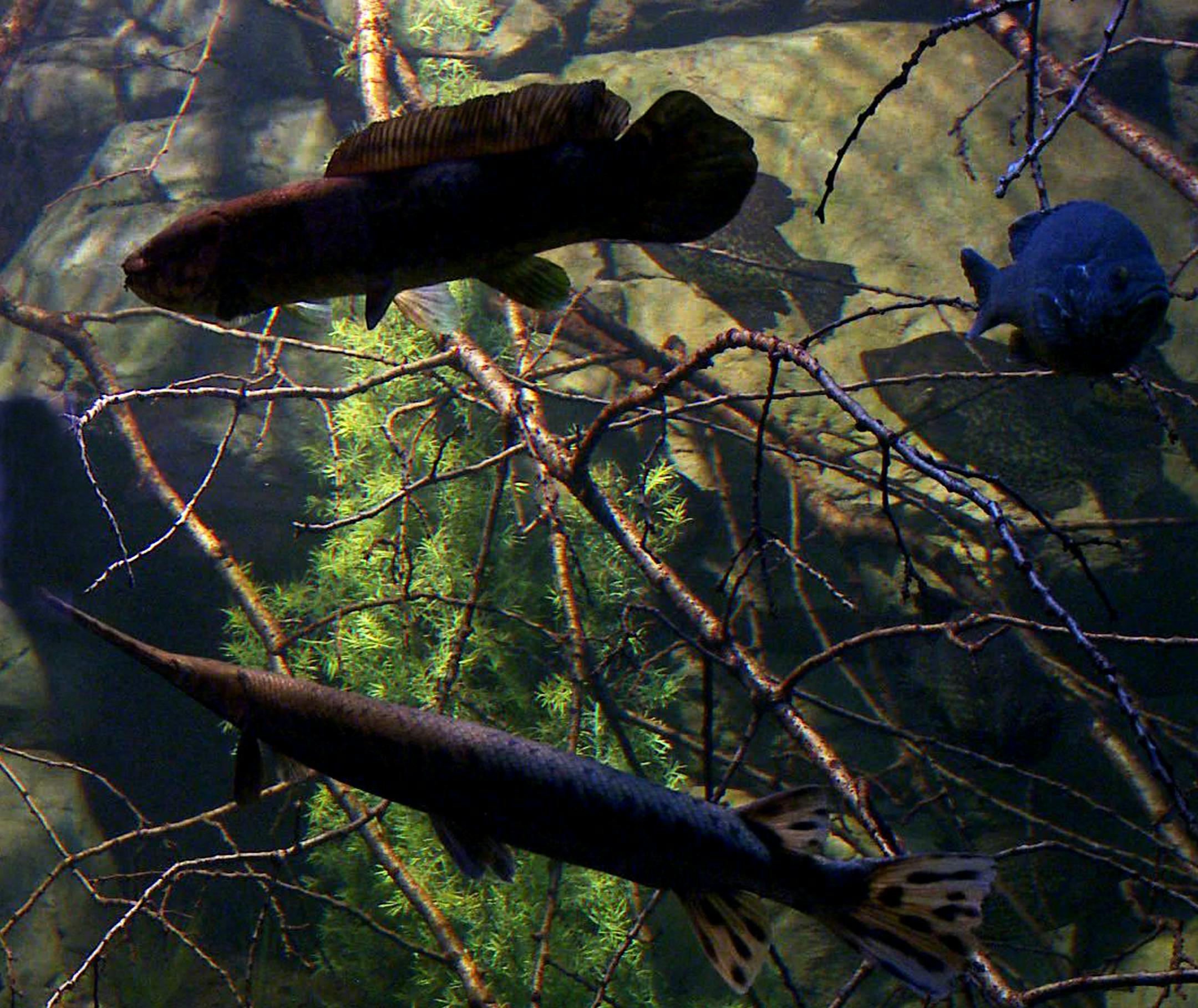
In charge of the magic is aquarium supervisor Allan Maguire, a tall, thin and bespectacled man who works out of sight in a squat concrete building filled with pipes, pumps and tanks. He takes Minnesota groundwater, adds a dash of "Instant Ocean," turns the crank and -- presto -- makes a home where exotic ocean fish thrive. With tons of pickling salt from Cargill, he conjures up a different water fit not for fish, but for mammals of the seas.
"This is where Minnesota connects with the ocean," Maguire says with pride.
In his green polo shirt and khaki pants, the 53-year-old Iowa farm boy seems as far removed from his roots as that Kansas wizard who landed in Oz. But it was Maguire's love of fish that propelled him to the zoo 27 years ago. He had a boyhood aquarium, all right, stocked with fish from the town's filling station. ("It just happened to sell fish," he explains. "In small towns, you have to be creative.")
His first job in Iowa, naturally, involved pigs -- not fish. Fresh out of college and armed with degrees in biology and mathematics, he worked in research to develop a baby-formula recipe for piglets. But it was news of a new zoo that sent him north in 1981. He worked his way through the Minnesota Zoo's habitats and grew and evolved along with the facility, landing at last where he wanted to be, supervisor of aquariums and life support at a zoo that spans 485 acres and entertains more than a million visitors a year. He now oversees about 5 miles of pipes, 70 pumps and 66 tanks holding from 20 to 1 million gallons of water.
With so much water used at the zoo, the magic has to be handled in an ecological way.
"It's not like the home aquarium where you dump the water and fill with new," Maguire said. It's a complicated recovery process, where water and salts are recovered and reused. The dirt and "biological load" (feces and urine) are filtered out and then flushed into sewer lines.
Leaning over a computer keyboard, one of Maguire's assistants turns pumps on and off, moves water around and cleans water by clicking commands on the colored schmatics of the zoo's plumbing system.