3:10
3:10On June 30, 1934, George A. Richards bought the Portsmouth (Ohio) Spartans for $7,952.08 and moved them to Detroit to make some big-market bucks in the 14-year-old National Football League.
That handsome sum of money — the equivalent of $142,489.83 in 2016 currency — made Richards a bit of a financial daredevil pushing up the cost of NFL franchises. After all, Art Rooney had just bought the Pittsburgh Steelers for $2,500 in 1933.
The Lions won their first 10 games. But while the Motor City loved its baseball Tigers, it was slow to embrace the Lions, who played seven of their first 11 games at home in front of crowds of no more than 15,000 at the University of Detroit's 26,000-seat stadium.
That changed starting Nov. 29, 1934, when Richards scheduled George Halas' defending world champion Chicago Bears for the Lions' first Thanksgiving Day game.
Football on Thanksgiving wasn't new, of course. It dated to 1876, when Yale played Princeton. Pro football followed in the 1890s with the Allegheny Athletic Association of Pittsburgh and continued after the NFL was formed in 1920. Even Detroit's first four pro teams — the Heralds, Tigers, Panthers and Wolverines — played Thanksgiving Day games from 1917 to 1928.
But Richards started something bigger in 1934 when a sellout crowd watched the undefeated Bears, led by former Gophers great Bronko Nagurski, beat the 10-1 Lions 19-16. Thousands were turned away at the gate, but fans throughout the land could listen to the game because the 94-station NBC Radio Network, with coaxing from Richards, made this the first NFL game to be broadcast coast to coast.
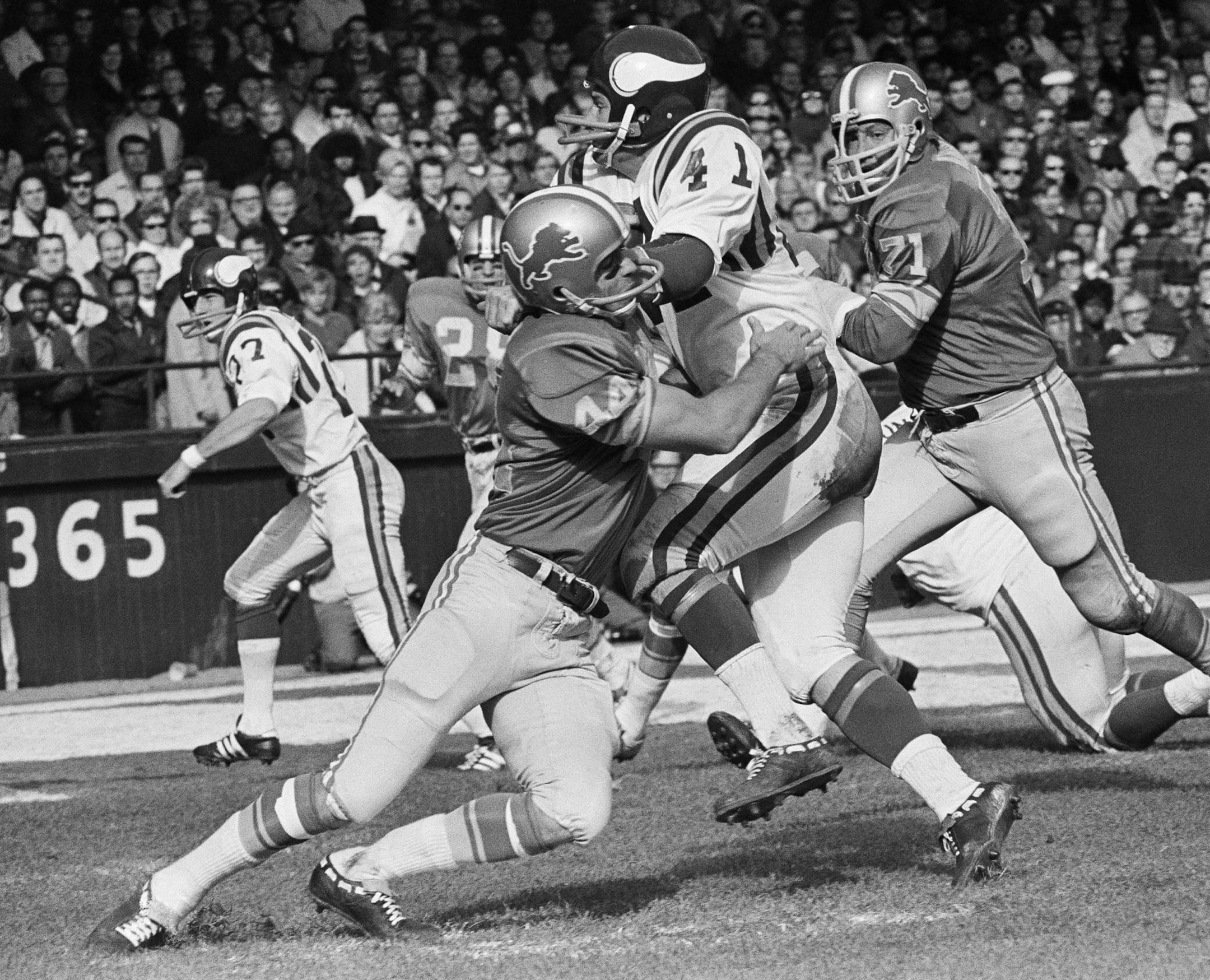
Thursday, the annual tradition continues for the 77th time when the Lions (6-4) play the Vikings (6-4) at Ford Field for first place in the NFC North. To date, 4,307,635 fans have watched in person as the Lions have gone 36-38-2 on Thanksgiving Day.
Times have changed
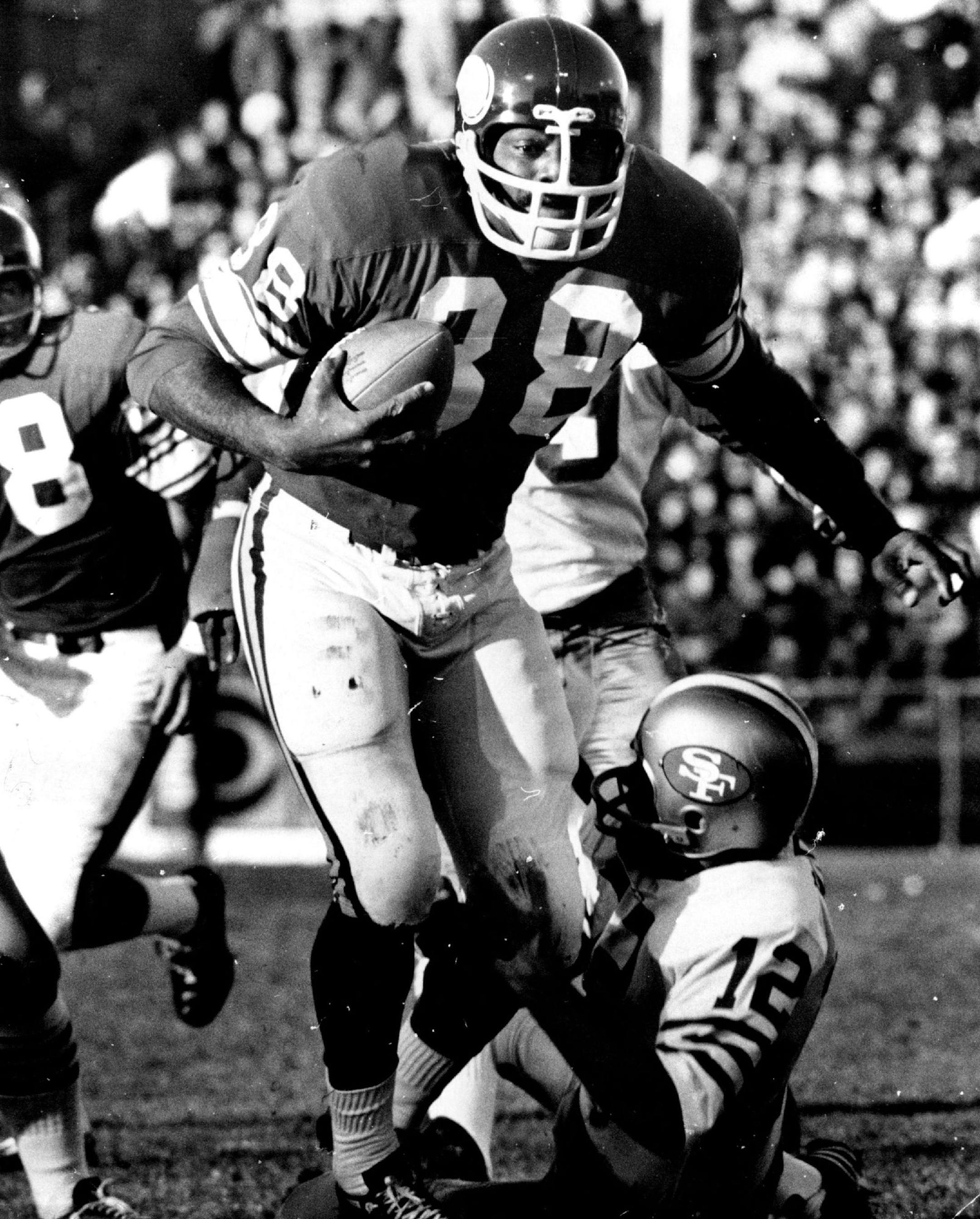
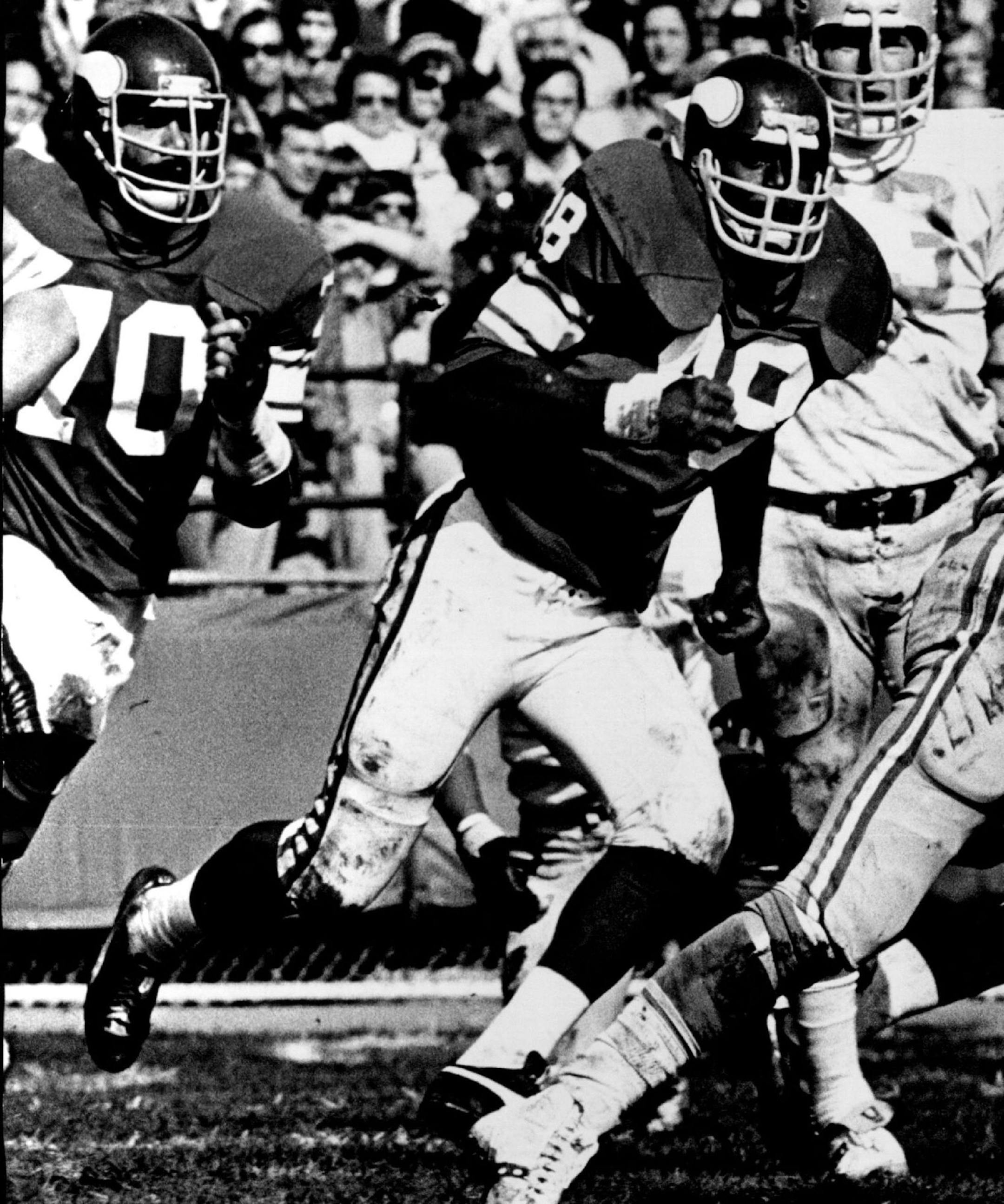
The Vikings are 5-1 in Thanksgiving Day games. But they haven't played one since young Randy Moss tortured the Cowboys in Dallas for not drafting him in 1998. In a pair of victories in 1998 (46-36) and 2000 (27-15), Moss had 10 catches for 307 yards and five touchdowns, including scores of 51, 56 and 56 yards in 1998.