Twelve-year-old Garren Taylor was living out the common tween-girl dream of becoming a model. She booked major shows during New York Fashion Week, and designer Marc Jacobs gushed over her. But it all fell apart when she got a year older and a size bigger -- from 0 to 2, at which point her former fashion-world admirers dubbed her "obese."
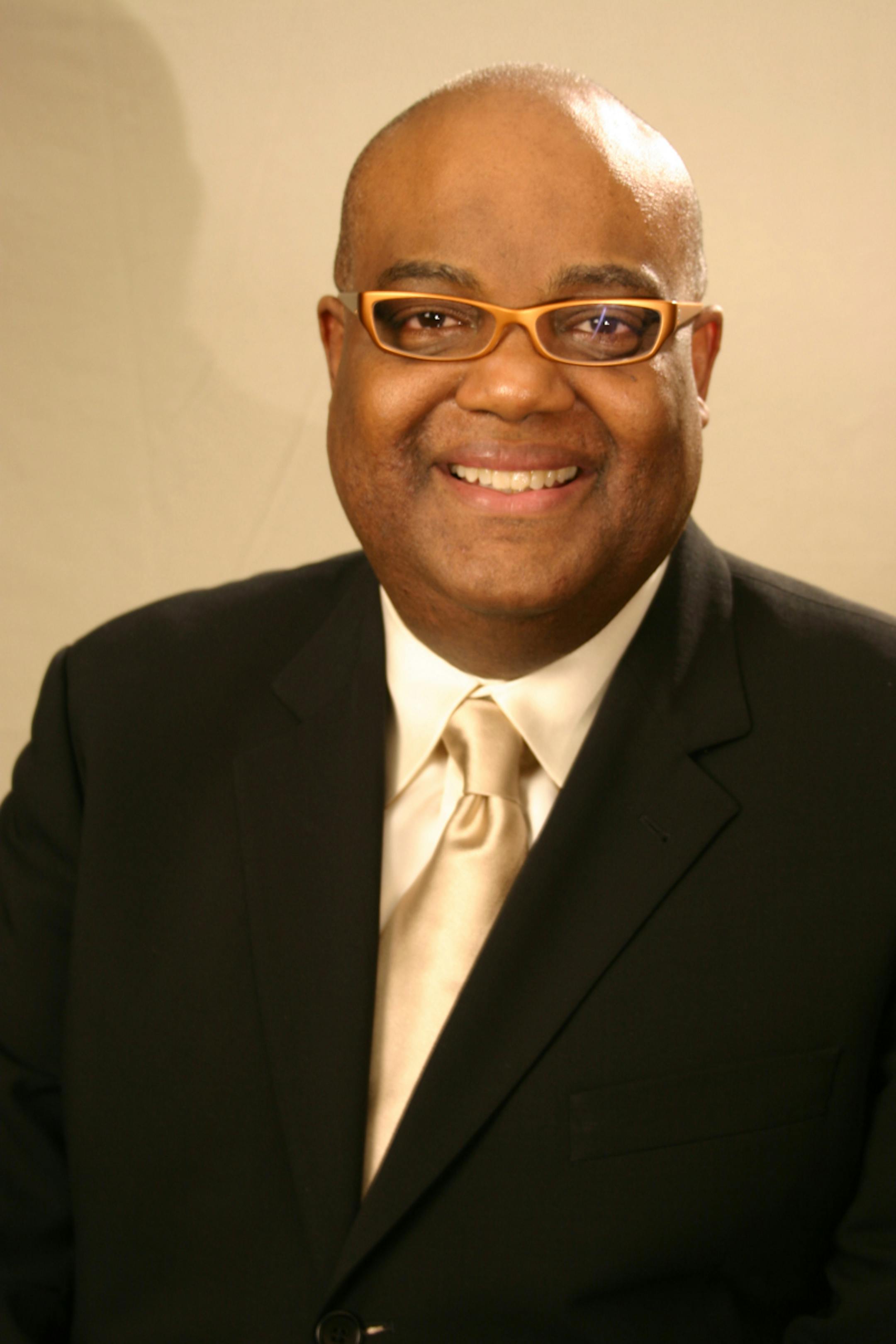
Garren's story is threaded throughout the documentary film "America the Beautiful," playing Wednesday and Thursday at the Lagoon theater in Minneapolis. But the bigger picture examined by Chicago filmmaker Darryl Roberts is a national obsession he calls pathological -- the quest to attain the super-skinny, balloon-boobed, Botoxed, airbrushed, light-skinned Hollywood beauty ideal.
For five years, Roberts played a mild-mannered, more naive version of Michael Moore to the beauty industry, questioning fashion editors and others whose success depends on pushing beauty.
"They'd say, 'We're not social workers -- we have to make a buck,'" Roberts said. "The fact that they knew what damage they do and don't care drove me to go further."
He got the idea for the film after thinking about two long relationships he had had with women, and why he didn't marry either one. "I felt I needed to hold out to find a woman who looked like the women in magazines," he said. "Why did I do that?"
The first step was to ask 200 females, ages 12 to 64, if they felt attractive. Only two said yes. He goes on to lament the diet industry, toxic cosmetics, vaginal vanity surgery (with the obligatory comments from feminist playwright Eve Ensler) and such true tales of the bizarre as skin-lightening cream that sells well in Africa and people who make their dogs get surgery to improve their appearance.
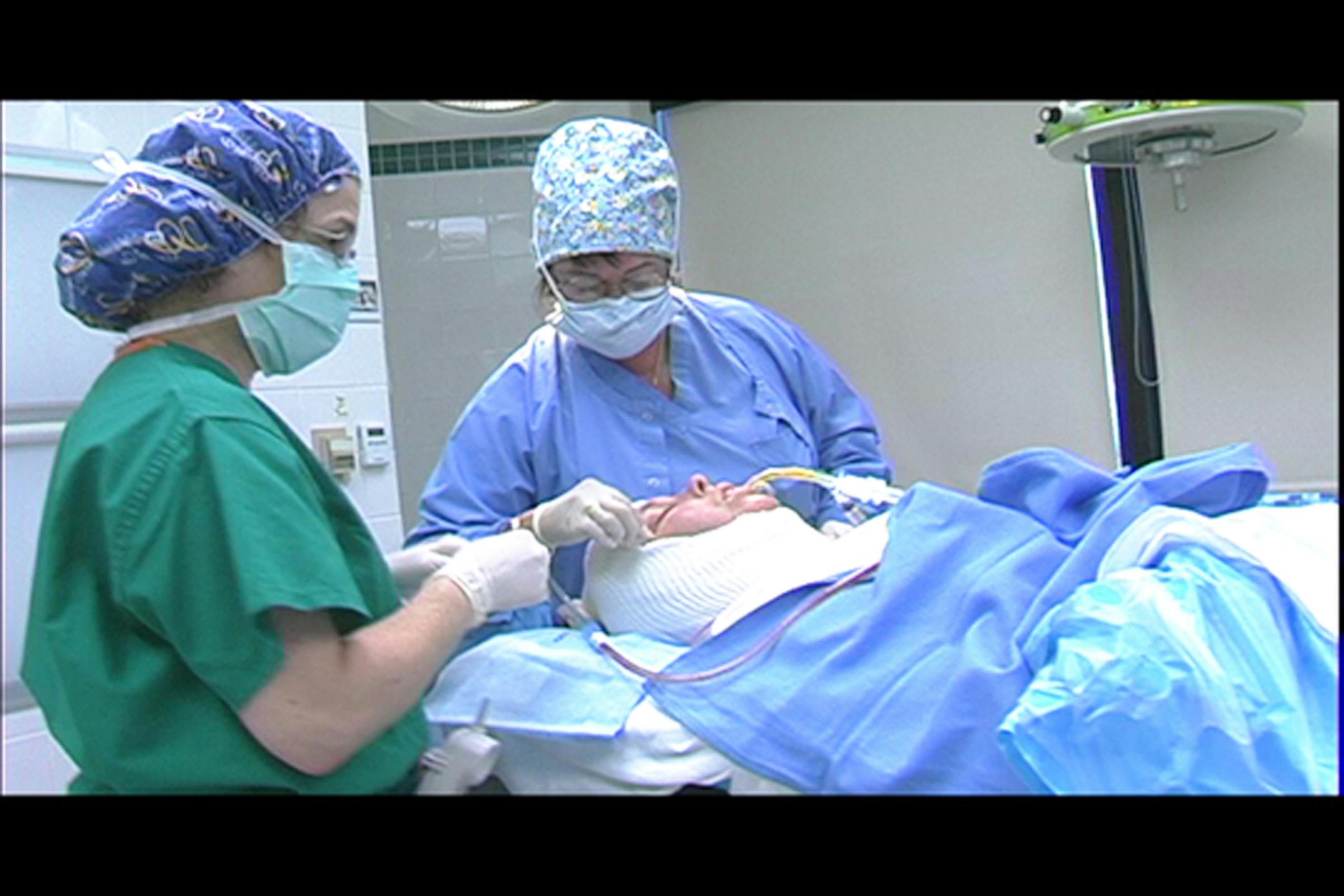
While Roberts documents the overall psychological pall cast by the beauty obsession, some of its effects can be measured by numbers: A report recently released by the YWCA found that cosmetic surgery procedures (91 percent of them performed on women) have increased nearly 500 percent in the past 10 years. The number of procedures being requested for women (and teens) under 25 is increasing even more.
Roberts repeatedly makes the point that while most women are being influenced to feel bad about their bodies, it's kids who are most at risk. In the film, Roberts interviews a mother who OKs liposuction for her 15-year-old's "love handles" so she can continue to pursue her modeling dream. "It's my job to support her," the mother says.