WASHINGTON - Five days after talks collapsed around Senate Democrats' long-stalled package to combat climate change, temperatures were rising - literally and figuratively.
It was July 19, and an oppressive heat wave was blanketing the United States. Another shattered records throughout Europe, even melting the roads as cyclists competed in the Tour de France. And in Washington, Democrats were fuming, frustrated that a precious opportunity to respond to the climate crisis had once again slipped away.
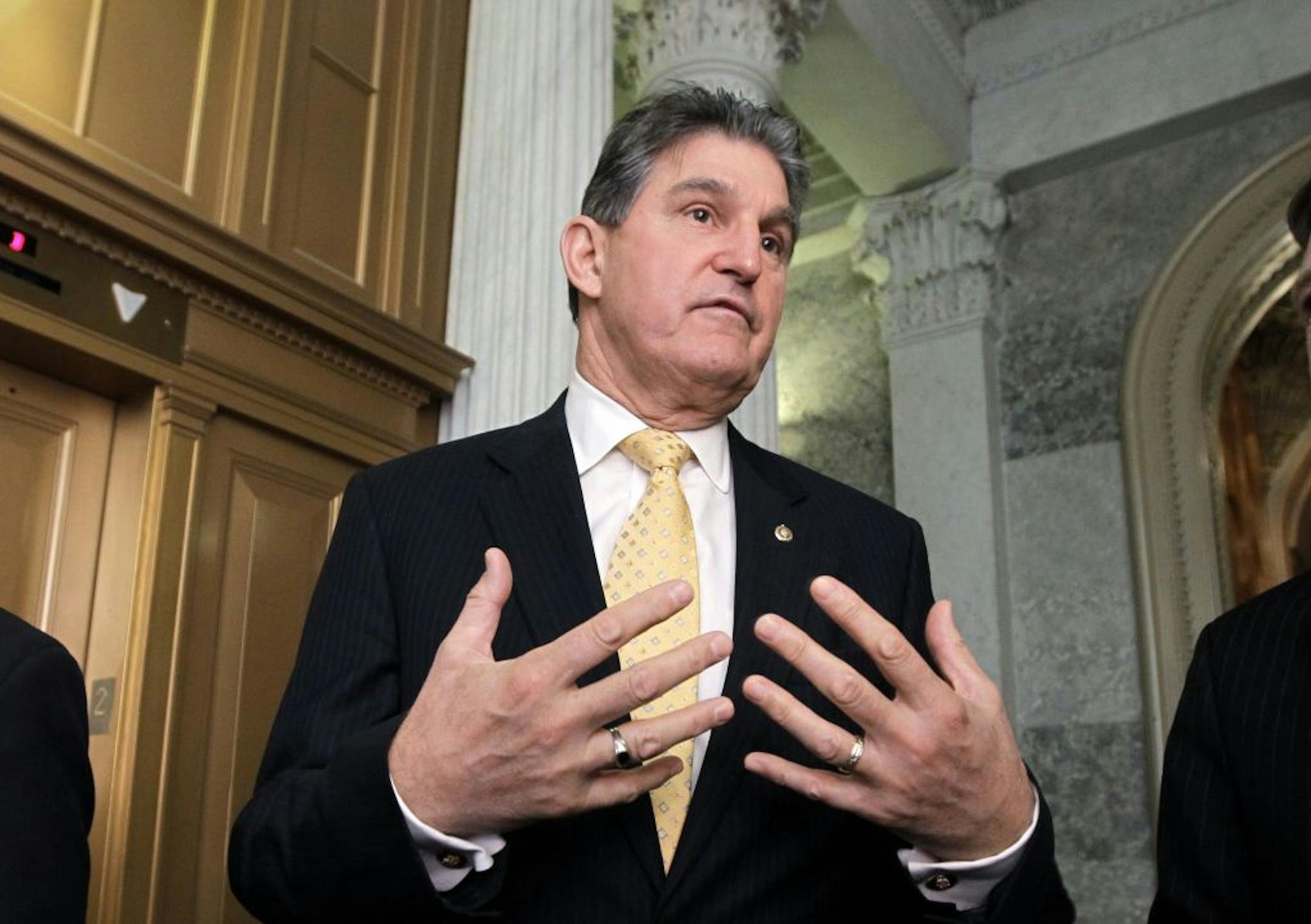
At the center of the impasse was Sen. Joe Manchin, D-W.Va. A moderate swing vote and longtime budget hawk, Manchin had said the week before that he could support investments to tackle global warming, just not in the way Democrats had proposed them, and not while prices nationally were soaring. Instead, he wanted his party to wait - but Democratic leaders felt they were running out of time.
At the White House, President Joe Biden already had issued an ultimatum, telling members of Congress he would fire off new executive orders if they did not pass a law. In the Capitol, meanwhile, Democrats began to confront Manchin directly: Sen. Tom Carper, D-Del., for one, approached him during a vote on the Senate floor, brandishing a list of recent deadly climate catastrophes that warranted Manchin's attention.
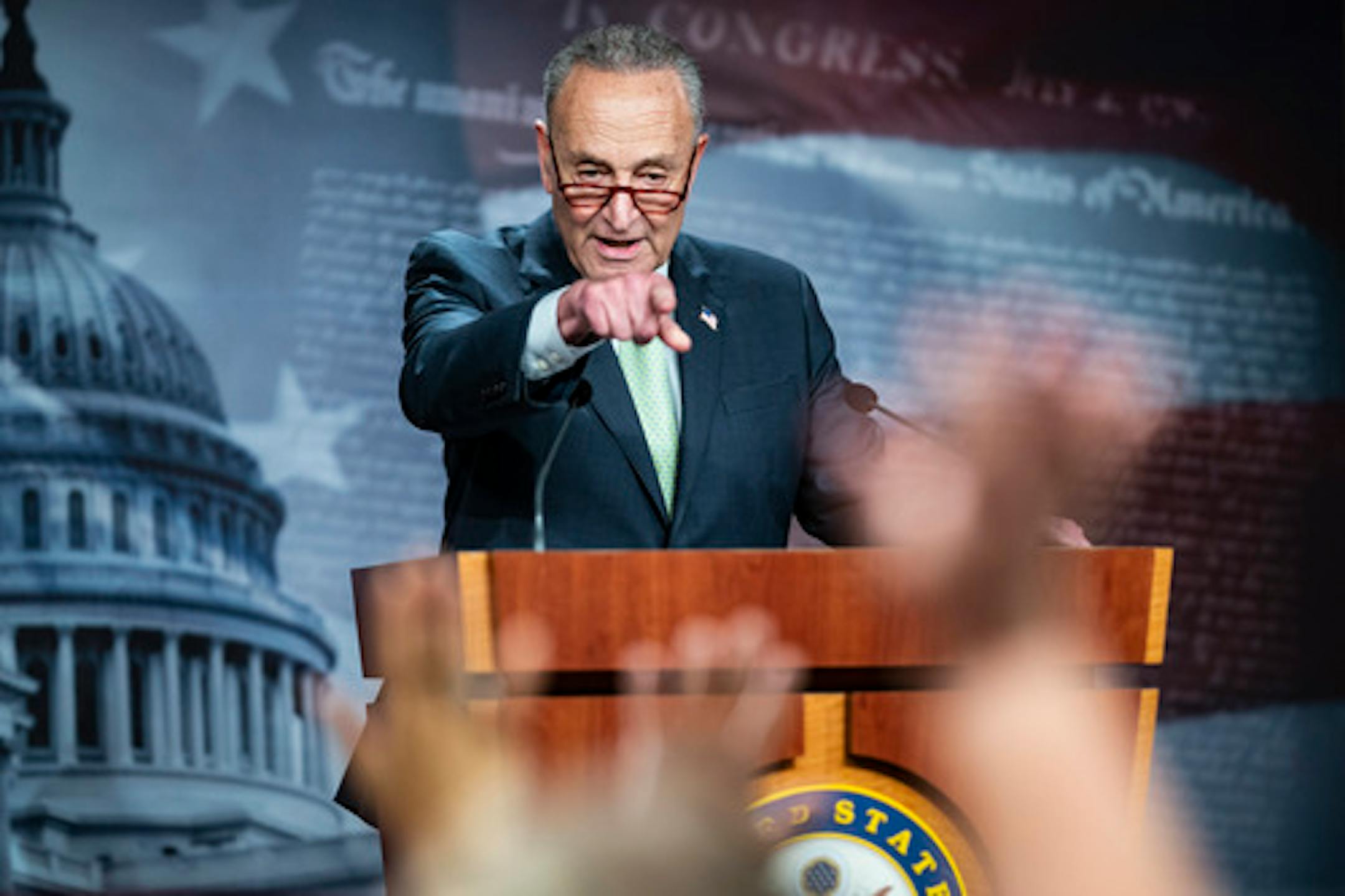
Little did many Democrats know, however, Manchin was already back at the table - in another round of fierce discussions with Senate Majority Leader Chuck Schumer, D-N.Y. Soon, the steady mix of public pressure, private pleading and persistent negotiation would lead the two men to produce what once seemed unthinkable: a deal on the largest burst of climate-related spending in U.S. history that took nearly all of Washington by surprise.
The story of that breakthrough is one of intense talks and high emotions over a period of about two weeks, according to more than two dozen people familiar with the matter, many of whom spoke on the condition of anonymity to describe a process so secretive that few knew about it at the time. The journey spanned basement backrooms of the Capitol, countless hours of phone calls - and a virtual handshake that clinched the arrangement over Zoom, since the coronavirus had trapped Manchin at home.
For Schumer, the party's chief negotiator, a key to assuaging Manchin's concerns were policy sweeteners that boosted fossil fuels and coal-heavy West Virginia. But Manchin also spoke with a wide array of others - fellow Democrats, economists including Larry Summers, even executives like Bill Gates. They each delivered some version of the same message: If Democrats did not seize on a rare opportunity to combat climate change, the U.S. may never have another chance at it again.
Republicans, who opposed spending to address global warming, initially thought they had scored a political victory: Last weekend, a group that included conservatives, industry officials and a top outside adviser to President Donald Trump even held a call with Manchin, during which several praised him for scuttling the package.
![Minnesota Senator Tina Smith chairs Senate field hearing on investing in Tribal Nations Tuesday, June 28, 2022 at Mystic Lake Casino in Prior Lake, Minn. Sen. Tina Smith was an executive vice president at Planned Parenthood before arriving in the Senate. Now that the Supreme Court has overturned Roe v. Wade, we look at the issue through the eyes of one of the only members of Congress to have such a high profile role at a national organization for abortion rights. ] Brian Peterson ¥ brian.peterson@startribune.com](https://arc.stimg.co/startribunemedia/6BJSSUWIF6EBQ4BJ4U7MA7BXZI.jpg?&w=1080)