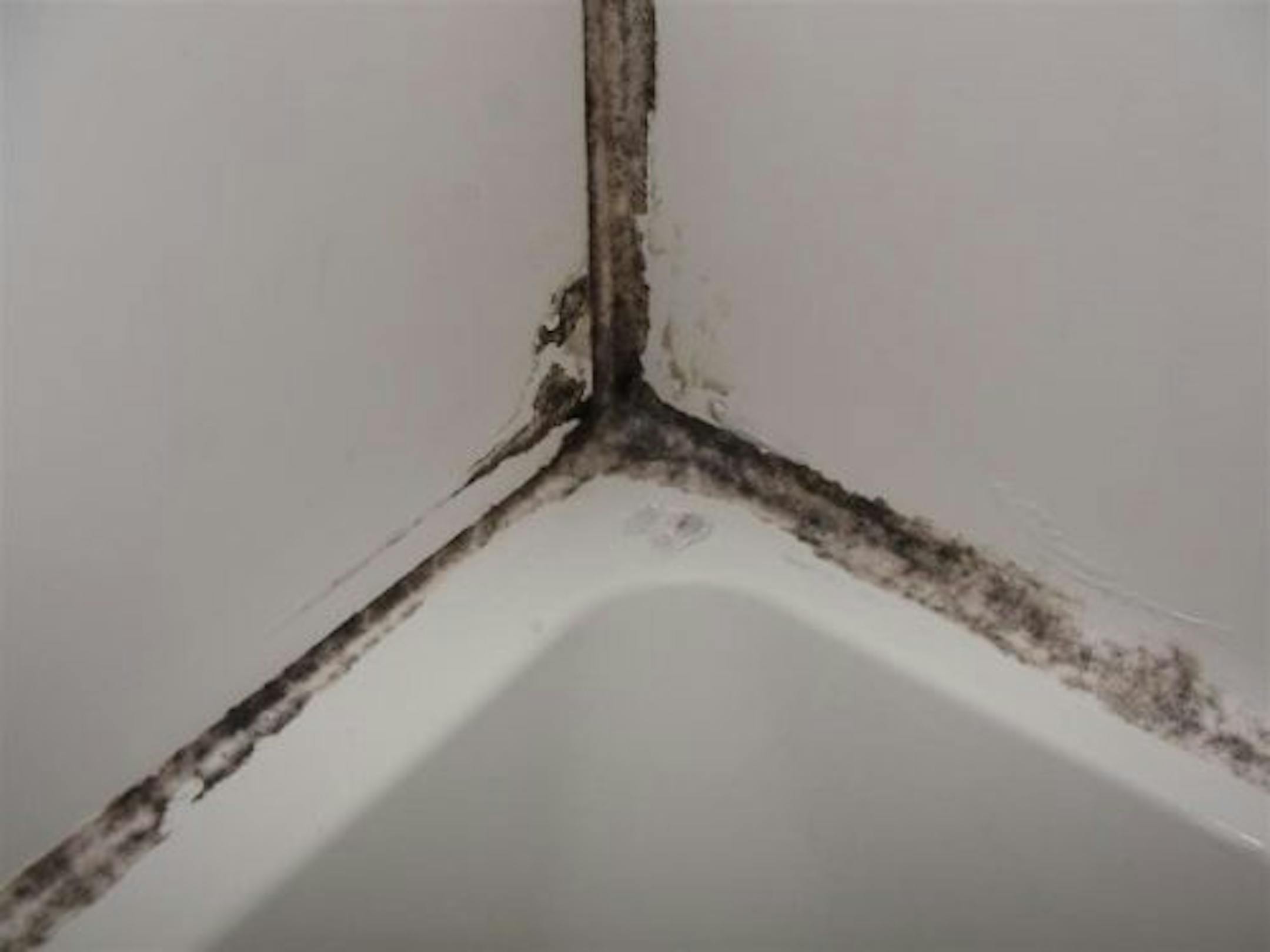
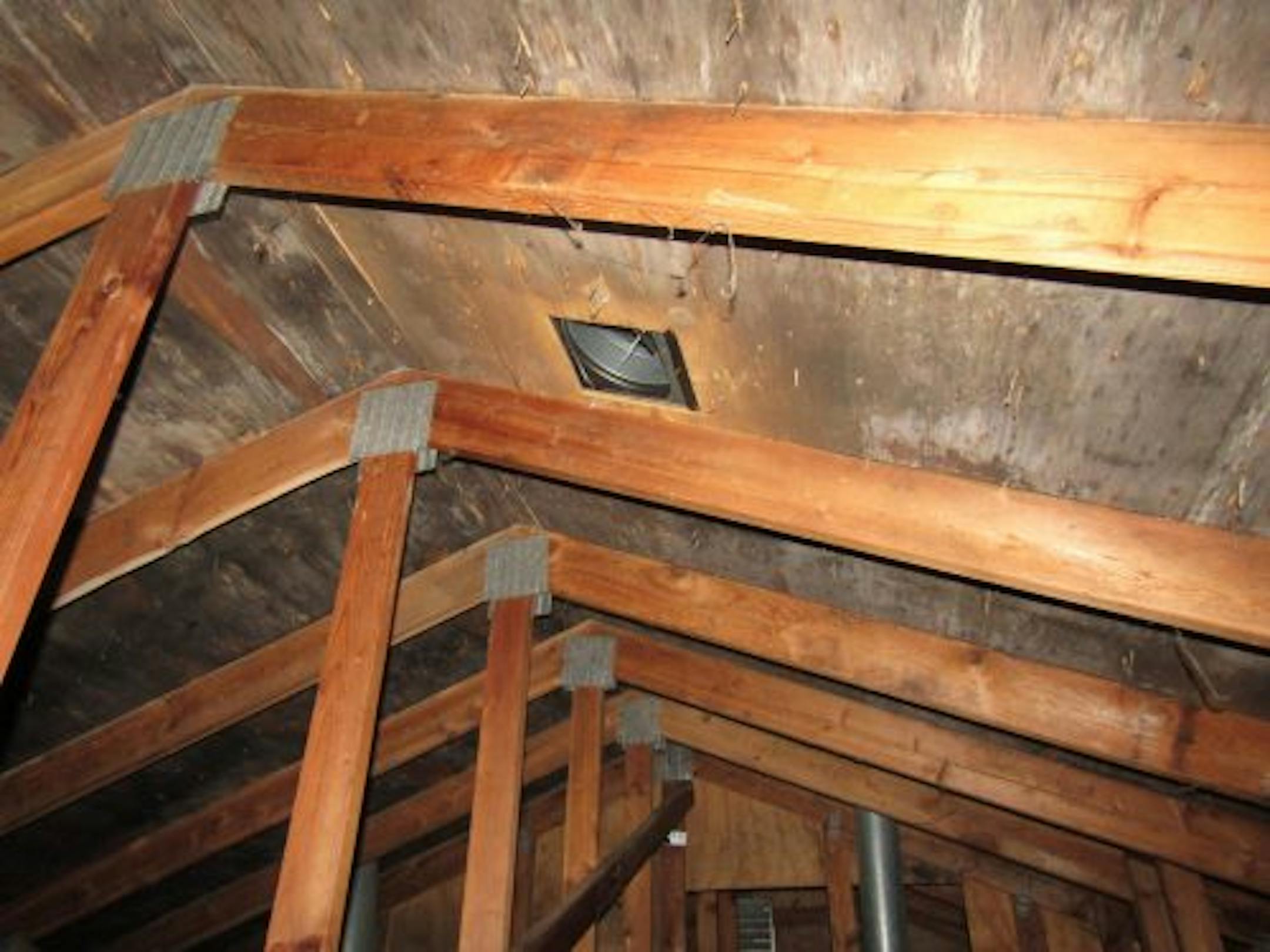
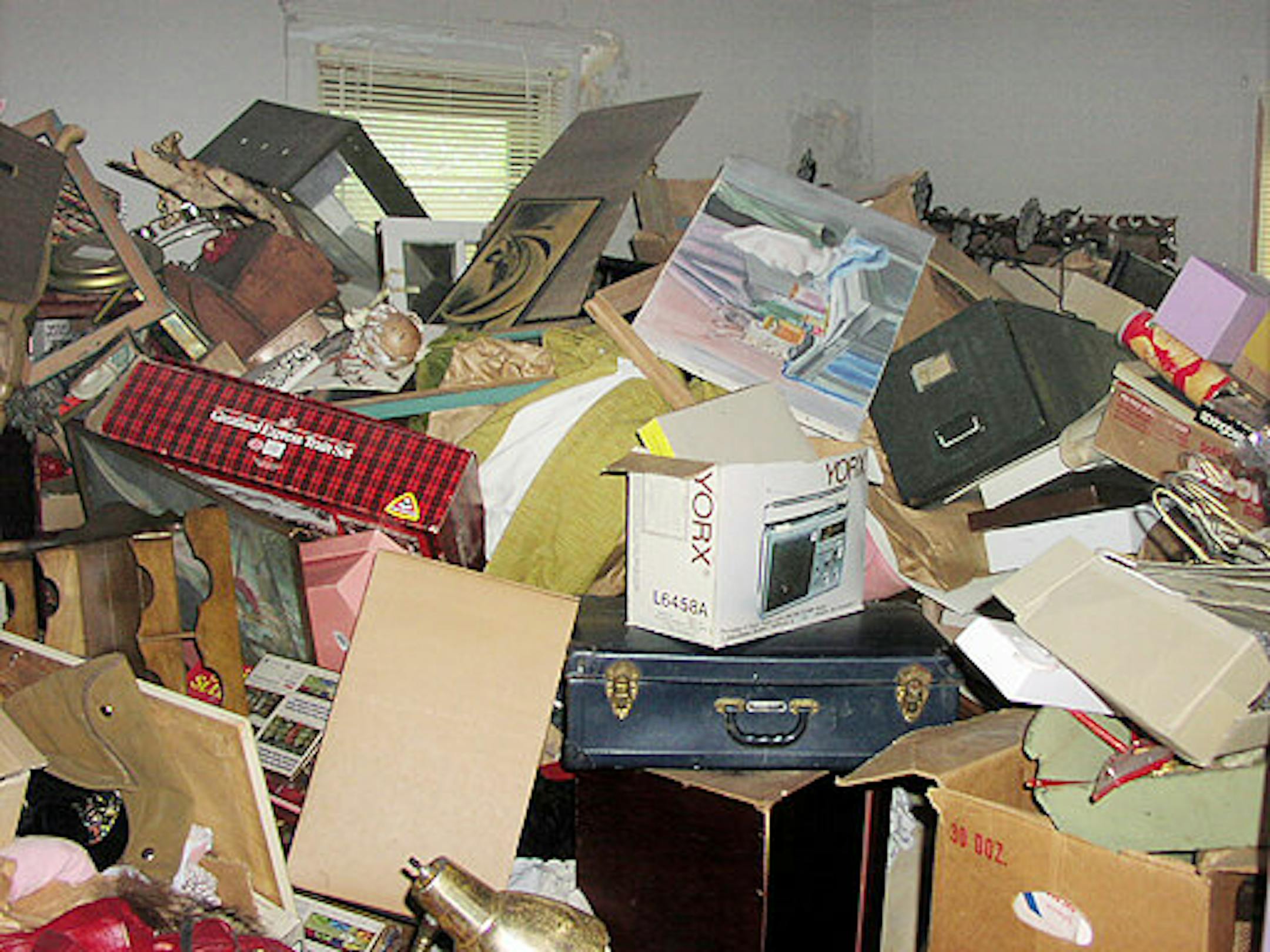
We recently did a couple of home inspection podcasts with local mold expert Vickie Swenson, and we asked her about the top five places to find mold in the home. Before giving her a chance to answer this question, we also told her this would turn into a blog post ;-). I had already put together my own list, and our lists were nearly identical.
As a home inspector, I don't specifically look for mold (see Mold or Suspected Organic Microbial Growth), but when I find stuff that looks like mold, I report it as such. A mold issue is a moisture issue. If I wanted a wordy, stuffy-sounding title, I might call this blog post "The top five places to find suspected organic microbial growth."
Finished Basements
It's a challenge to finish off a basement in Minnesota and to never have a water intrusion problem. That's not to say it can't be done, however. I live in a 2002-built home with a finished basement, and I'm pretty sure I've never had water in my basement... but there's always tomorrow, right?
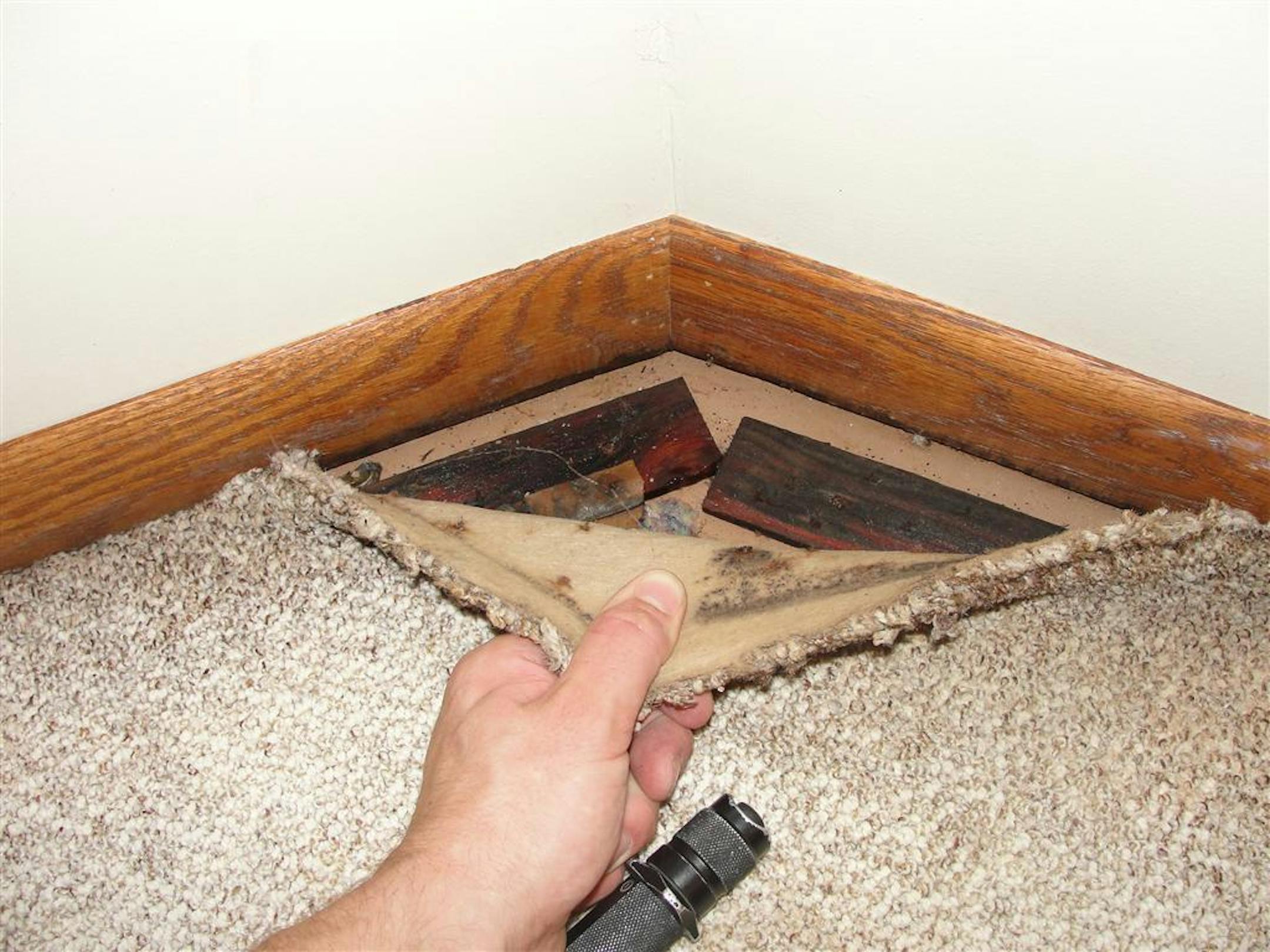
Basement carpet is a prime location to find mold growth in finished basements. When basement carpet gets wet, it frequently stays wet for a long time before being discovered. Sometimes, the underside of basement carpet can get damp without anyone even noticing.
We frequently pull back carpet in the corners of basement rooms where we suspect water issues. A less objective method for finding mold, but surely just as reliable, is to simply get down and smell your carpeting. If it smells moldy, it probably is.
Unfinished walls at walkout basements
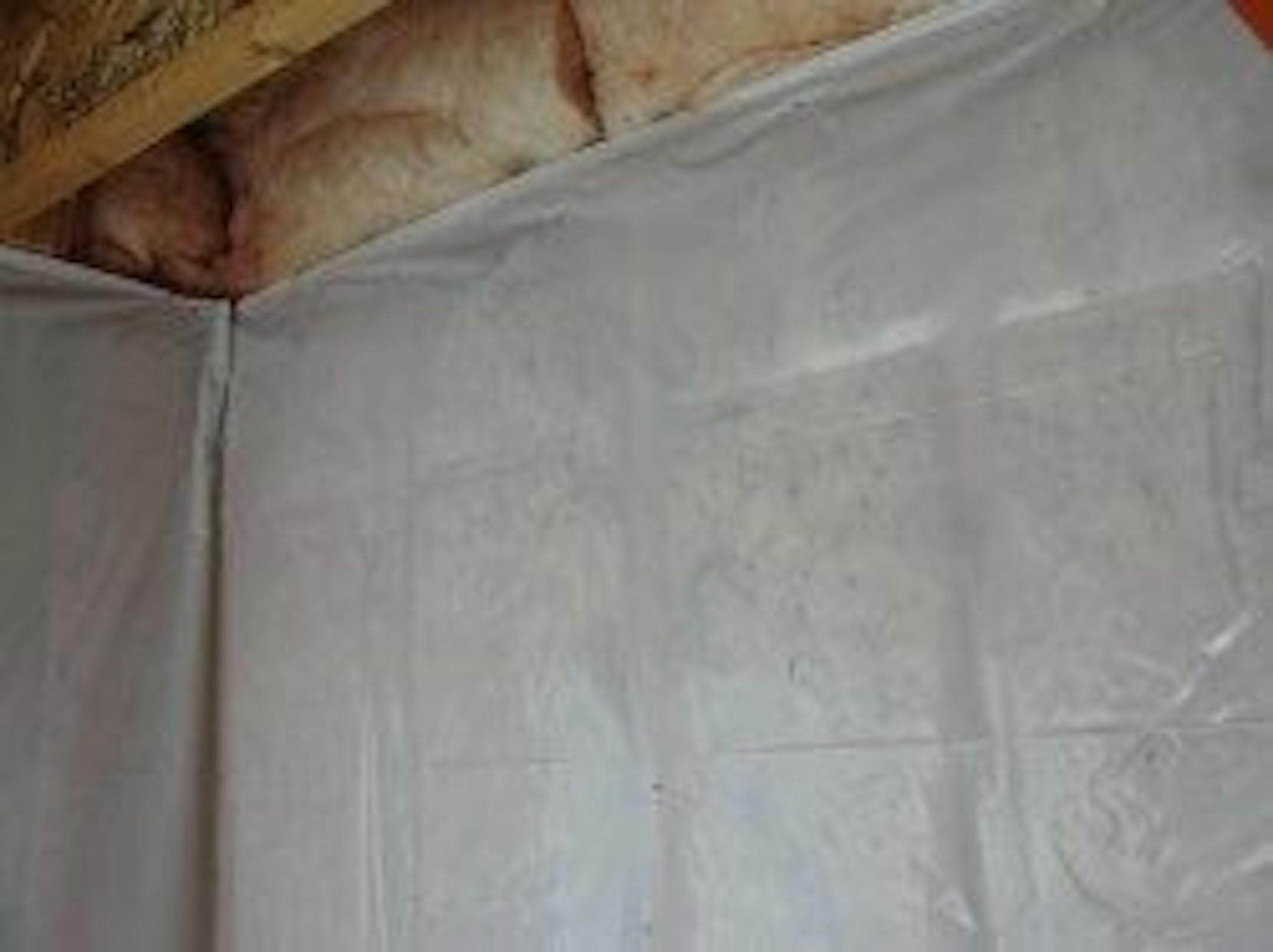
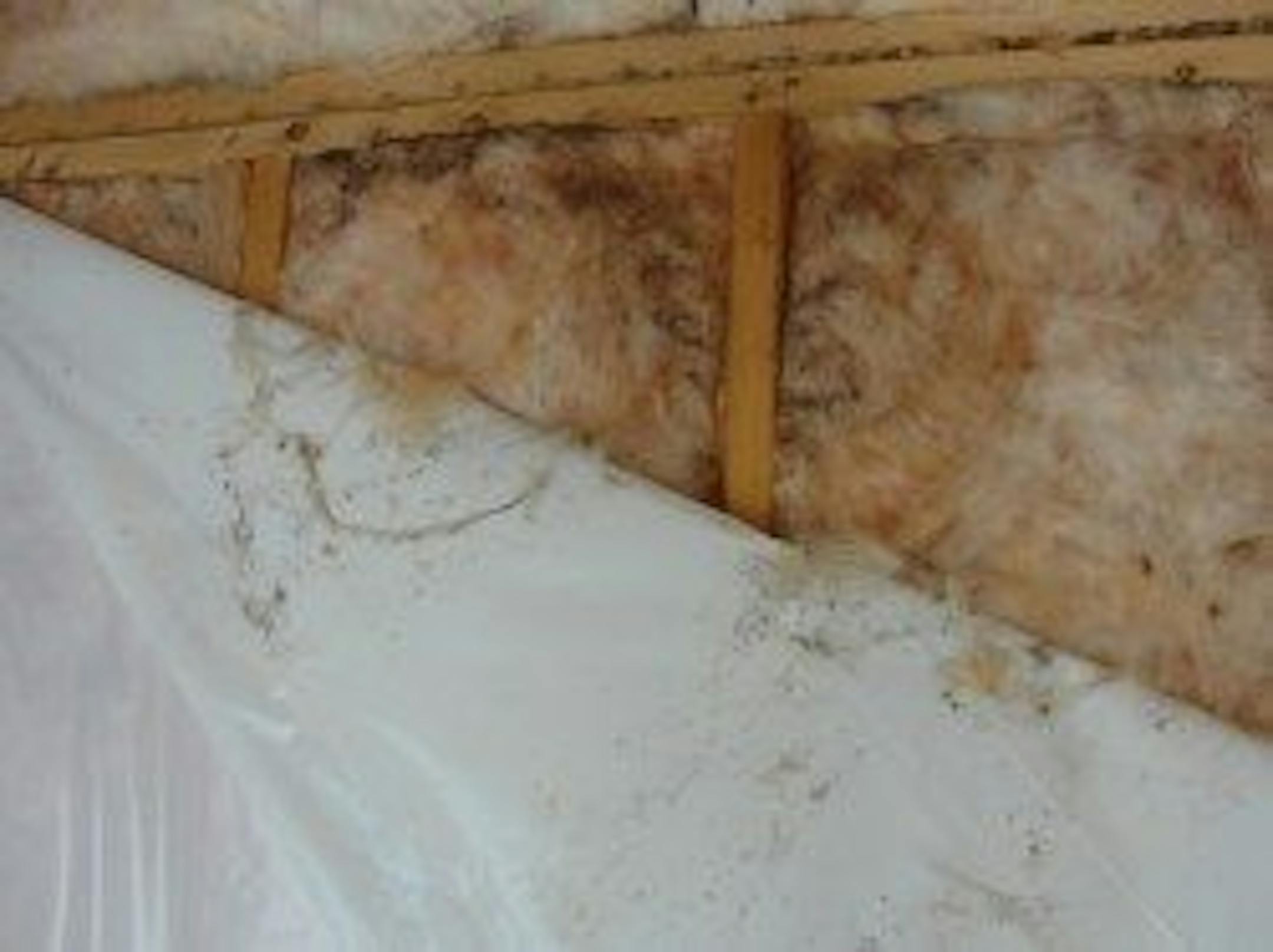
When a new-ish home is built with an unfinished walkout basement, there's a good chance that the home will have a mold problem inside the walls. It happens over and over again with these homes.
The problem is that basements suck; through stack effect, air comes in at the basement level and leaves at the top of the home. When humid summer air is sucked into a relatively cool basement, you end up with a bunch of condensation on the insulation side of the poly, and it eventually causes mold growth.
How do you prevent this from happening? I have no idea. I think the way we build houses with fiberglass batts and a poly vapor barrier on the conditioned side of the insulation is stupid, especially when the poly is left exposed.