By Christi Parsons and W.J. Hennigan Los Angeles Times
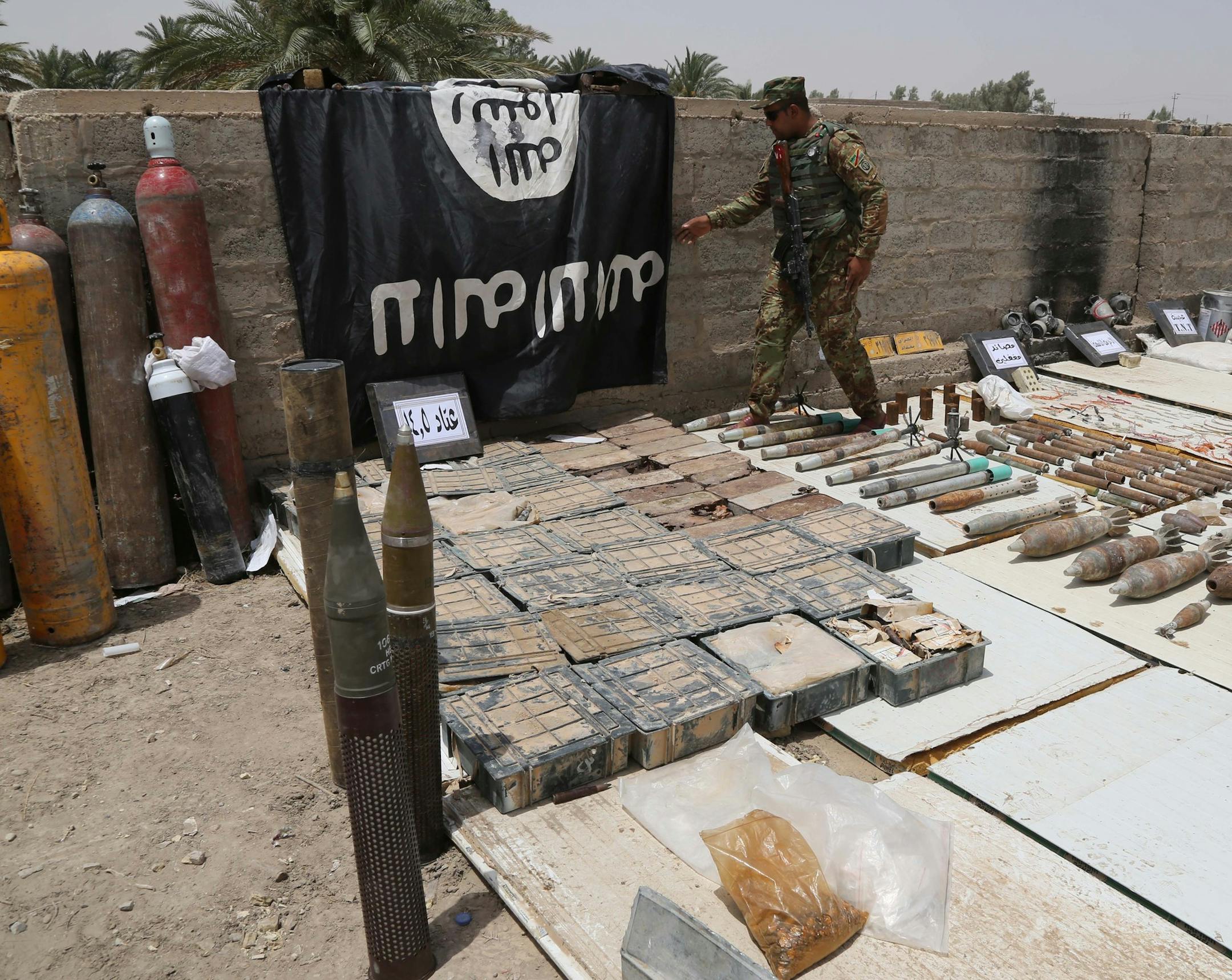
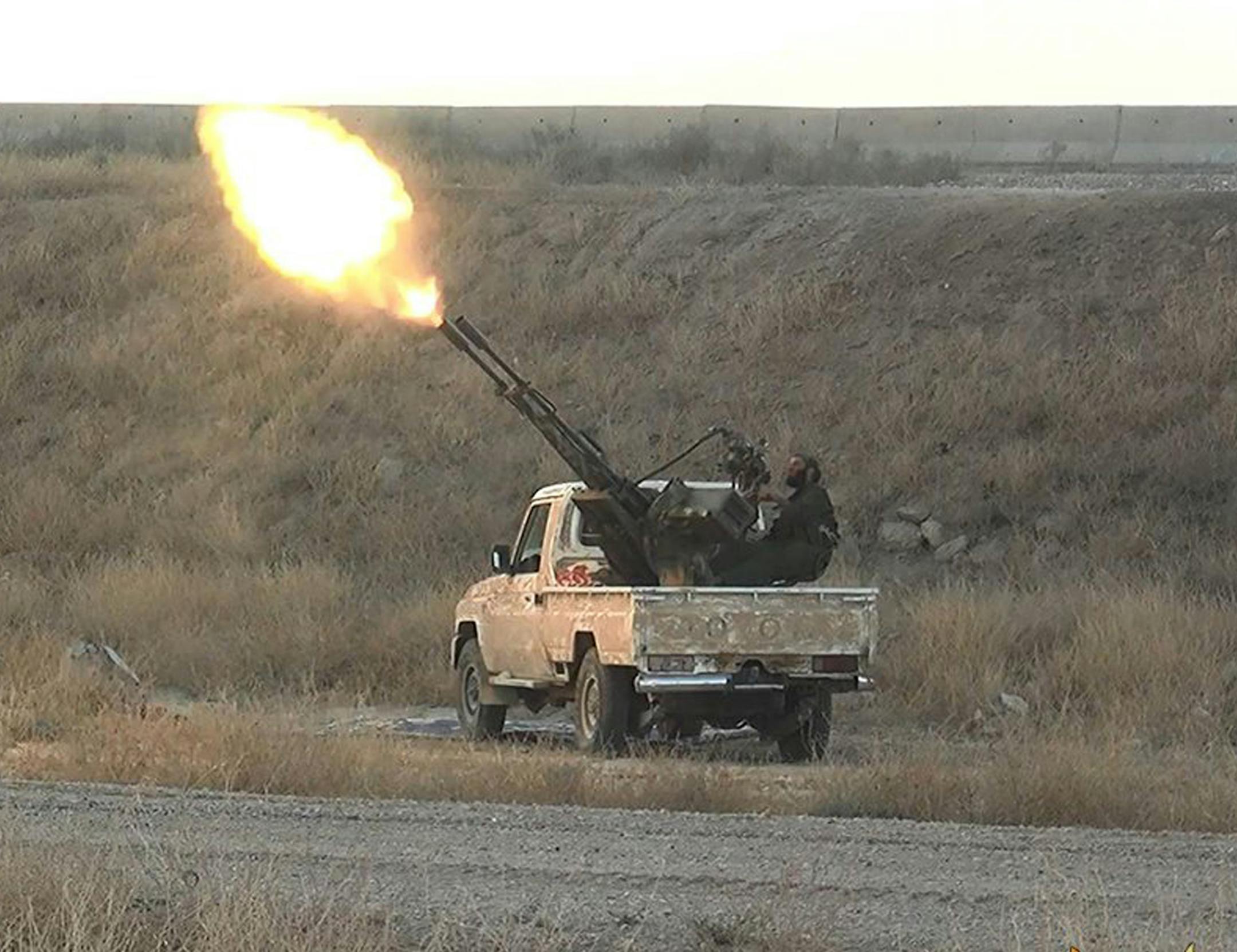
WASHINGTON – President Obama talks every day about defeating the Islamic State in Iraq and the Levant, but advisers say one option never surfaces for serious consideration — bringing the U.S. military in more directly to save the fledgling Iraqi security forces from their failures.
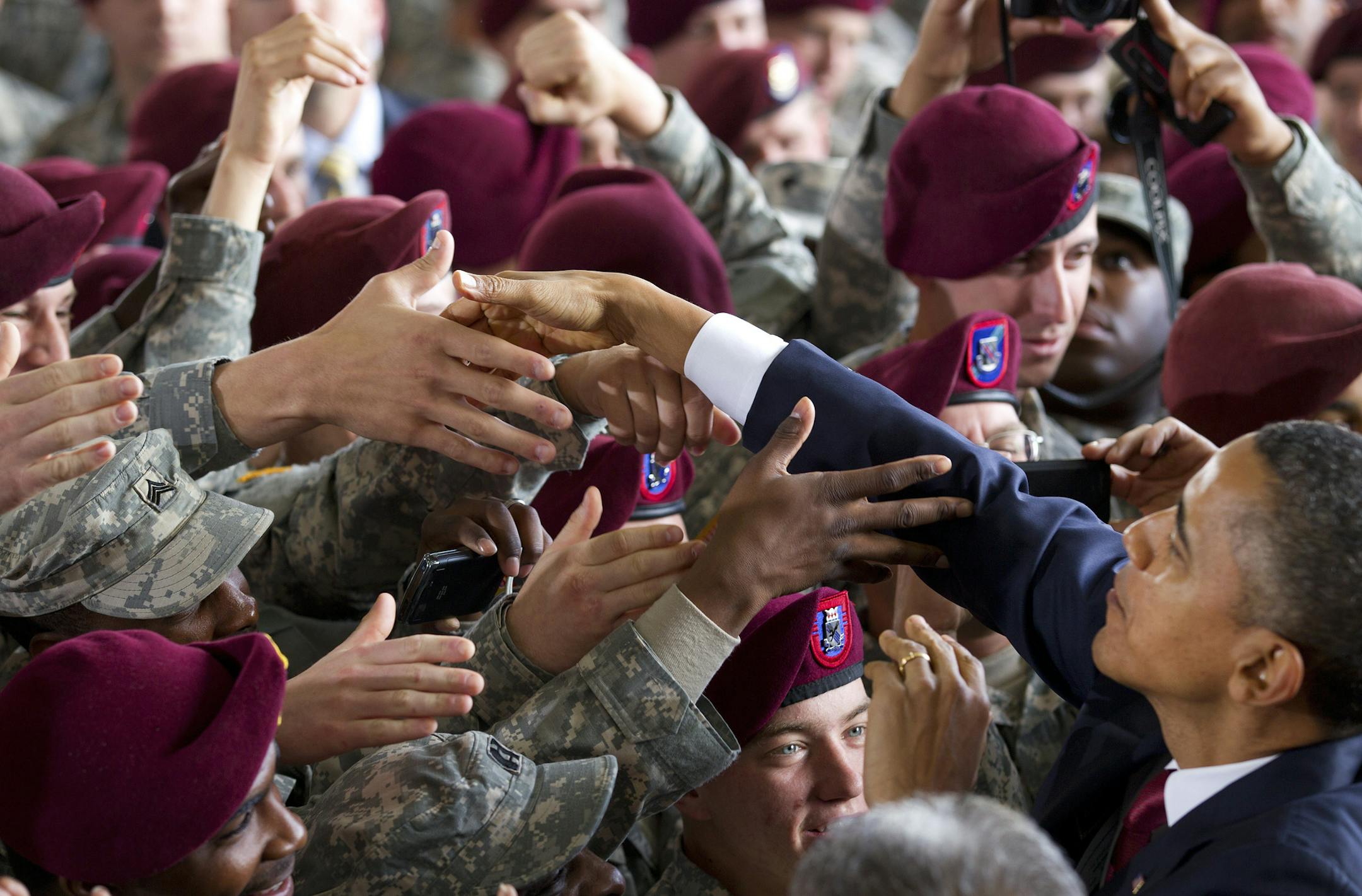
Obama doubled down on his approach last week in a meeting with top generals, who stood with him at the Pentagon as he explained his conviction that a large-scale investment of U.S. troops in another fight in the Middle East is a bad idea. He insisted that his military leaders agreed.
"In every one of the conversations that we've had, the strong consensus is that, in order for us to succeed long term in this fight against ISIL, we have to develop local security forces that can sustain progress," Obama said.
His position has plenty of challenges, particularly for a president trying to implement a long-term strategy on a short-term clock.
The timeline for the improvements Obama hopes to see — an Iraqi military that can take and hold ground, a resolution to the civil war in Syria, stability in either country — is not in his favor; they will probably come long after he's left office, if at all. Leading Republican critics are losing patience. They argue that ISIL's gains in Iraq and Syria and its expanded presence in Libya and Egypt, plus its persuasive recruitment campaign, prove Obama's strategy isn't working.
And then there is what top Obama aides see as the biggest problem: Iraq's inability to address rampant sectarianism. The president's national security apparatus is deeply concerned that too few Sunni Muslims are in positions of power, and that the Iraqi government relies too heavily on Shiite Muslim militias and Iranian advisers to fight ISIL.
Yet advisers to the president say that Obama is growing more resolute in his belief that slowly building up Iraq's capacity to defend its own territory is the only realistic way forward.