

Washington doesn't work the way people think it does. And when the public gets a peek into the way it does work, there's a lot of outrage.
Most real power doesn't lie with the senators or Cabinet officials or ambassadors. The people who make things happen don't have an office of their own or a room with a view. They're one or two levels down, working the machine from the inside. When they succeed, the public isn't aware of their existence, much less their influence. These are the "cave-dwellers" of Washington.
Occasionally, one of the cave-dwellers surfaces and is subjected to public scrutiny. The results are rarely pretty. For one thing, the very important people for whom the cave-dwellers work bristle at their lowly staff members soaking up some of the spotlight. Other cave-dwellers can use the opportunity to settle scores.
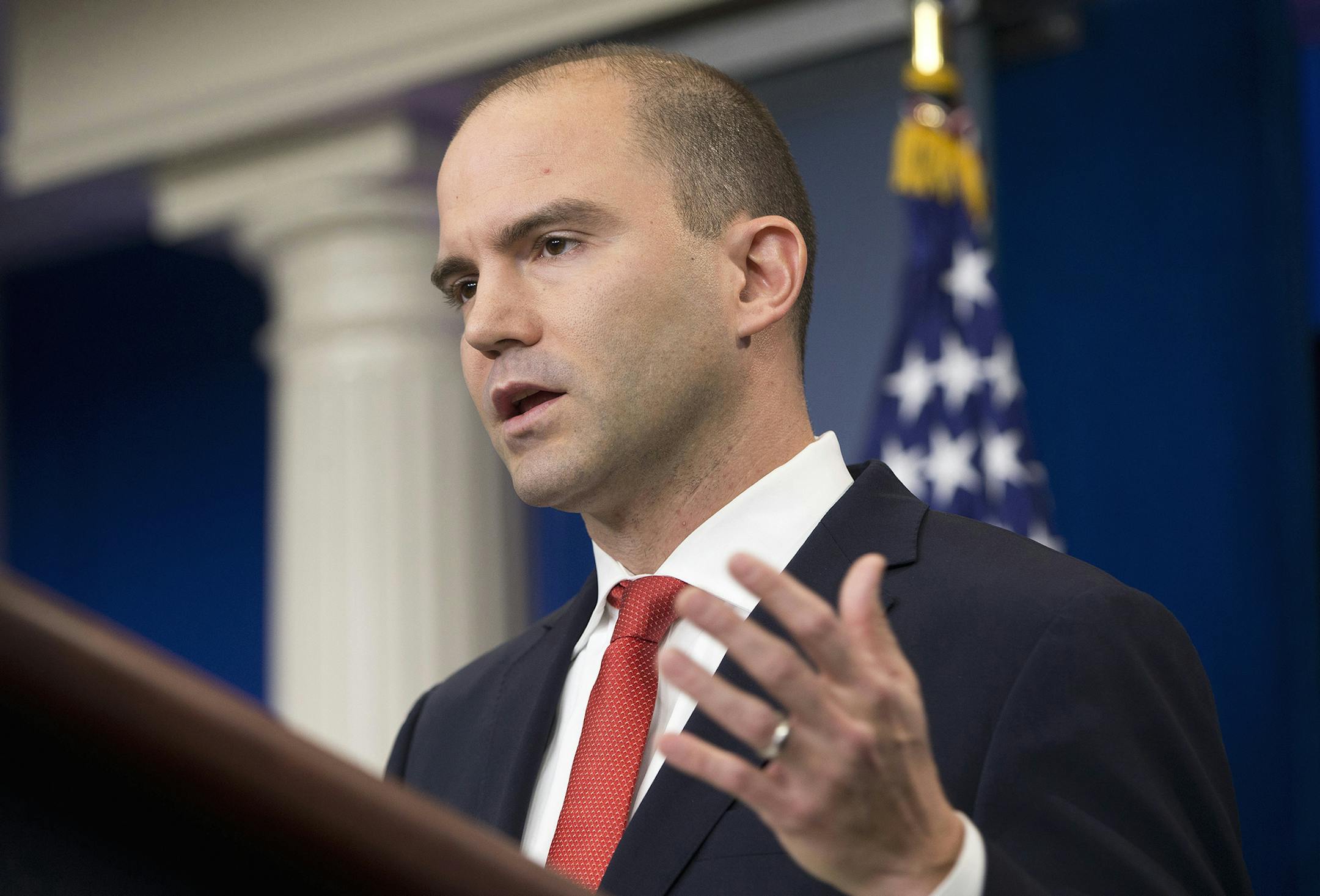
This is what happened last week when the deputy national security adviser, Ben Rhodes, was profiled by David Samuels in the New York Times Magazine. For people outside Washington, the piece may seem like a glowing portrayal of a young writer who formed a close relationship with the president and rose to a position of power inside the White House. But inside Washington, the reaction was almost all negative.
Foreign-policy pundits seized upon Rhodes' description of the campaign to defend the Iran deal as evidence that the White House lied to the American people and spun the press. Prominent journalists attacked Rhodes' personality and called him names on the grounds that he appeared to be gloating about defeating the anti-deal efforts.
On Sunday night, the cacophony of criticism compelled Rhodes to write a post on Medium clarifying several of the quotes he gave to the Times about how the Iran deal was sold to the public. He denied that the White House spun the facts. He came close to apologizing for saying that most reporters "literally know nothing." He defended the Iran deal on its merits.
Tellingly, at the end of the post Rhodes acknowledged the greatest sin he had committed while participating in his profile — overshadowing his bosses: "Lost in all of this discussion of how we communicated about the deal is the heroic work done by the team of diplomats and experts who designed and negotiated the deal over a period of years — led by people like Secretaries John Kerry and Ernie Moniz, Wendy Sherman, Bill Burns and Jake Sullivan," he wrote. "My job was to support them."
In a Sidewire chat on Sunday, my colleague Eli Lake and I debated the Rhodes profile with Tommy Vietor, who worked for Rhodes for years as press secretary for the National Security Council.


