

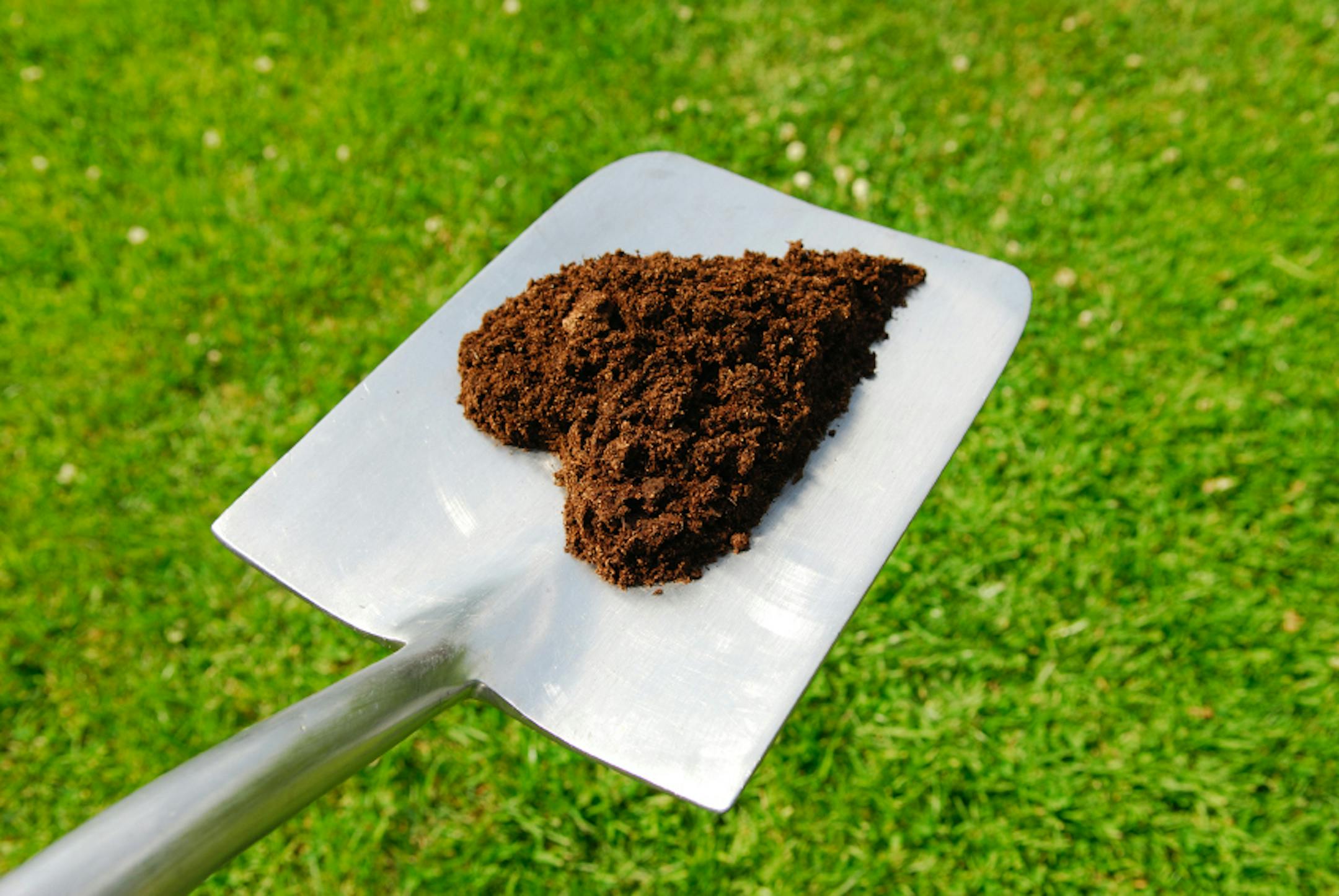
If you have gone full circle with back-yard composting — from kitchen waste to composter to garden to the harvest directed back to the kitchen — you have been enriched in many ways and are nurtured in the same way that a garden thrives from a new supply of rich compost.
The Star Tribune Editorial Board and state Rep. Frank Hornstein are rightly advocating for curbside organic recycling to improve waste-management practices ("Minnesota needs a lot more trash talk," Jan. 26), but they must also leave the back door open for ready access to the composter. That is the place to pitch a wide variety of kitchen and yard waste: coffee grounds, banana peels, wilted lettuce, melon rinds, garden clippings, grass and leaves. All of this waste will be transformed into a rich, black garden resource called humus.
No other recycling process stays home; no other practice offers benefits as empowering to the city and to its residents. The holistic practice of back-yard composting can help to change our thinking about city services and ourselves. It provides an active role for each of us in recycling and waste management.
Without back-yard composting, curbside pickup is still beneficial, decreasing the organic waste stream headed for the landfill or the incinerator and continuing the useful practice of hauling off big organics like downed tree limbs. But curbside pickup limits our active participation and, thus, our license and motivation to engage in the direct "trash talk" conversation.
With curbside collection, the ongoing lessons of composting are lost, as is the right to manage a valuable, organic, natural resource. Yet those who take the job of organic waste manager (steward of the purchased land) are our examples and activists for serious waste reduction in the city and state.
And now, a leap forward to see what kind of a future a committed group of composters (and community-builders) might create:
• • •
First, take a quick look inside the trash bin at one of these dedicated homes. No organic waste. No smelly garbage. And no potential downside or danger from scavenging pests. Because almost all organic waste now stays home for recycling, the city has limited garbage-truck visits to twice a month. Participating homeowners earn a reduction on their bills, and they score a big win for the city. With the end of weekly pickup, fewer garbage trucks and drivers are used; gas and maintenance costs are lowered, and homeowners sleep better (with fewer early morning wake-up calls from noisy trucks).


