

When Chris Precht, an Austrian architect and artist, first learned about nonfungible tokens, the digital collectibles taking the art world by storm, he was so enthralled, he said, he "felt like a little kid again."
So Precht, who is known for his work on ecological architecture, was devastated to learn that the artworks, known as NFTs, have an environmental footprint as mind-boggling as the gold-rush frenzy they've whipped up.
"The numbers are just crushing," he said from his studio in Pfarrwerfen, Austria, announcing that he was canceling his plans, one of a growing number of artists who are swearing off NFTs. "As much as it hurts financially and mentally, I can't."
Financially, for sure. Last month, a montage of art that had been turned into an NFT by digital artist Beeple sold for more than $69 million at a Christie's online auction.
But, by Precht's calculations, creating the 300 items of digital art that he had planned to sell — 100 each of three art pieces — would have burned through the same amount of electricity that an average European would otherwise use in two decades, he said late last month.
What in the (warming) world?
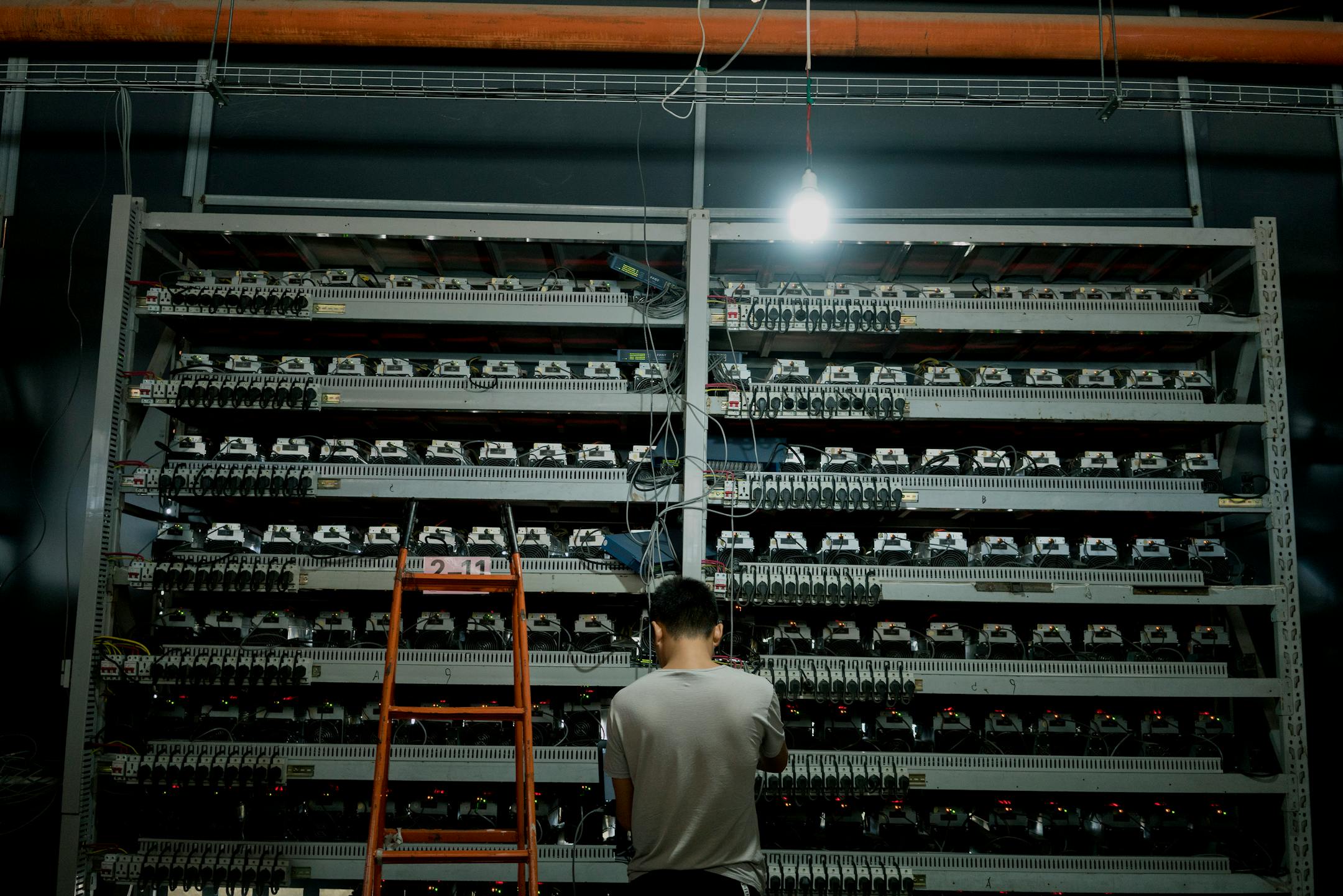
An NFT is a piece of artwork stamped with a string of code and stored on a virtual ledger called a blockchain. But blockchain technology, which also forms the basis of cryptocurrencies like Bitcoin, comes with enormous greenhouse-gas emissions.
In a nutshell, when an artist uploads a piece of art and clicks a button to "mint" it, she or he starts a process known as mining, which involves complex puzzles, awesome computing power and a huge load of energy. That's because Ethereum, the platform of choice for NFTs, uses a method called proof of work to create digital assets like nonfungible tokens.


