As we await the dawning of the new year, I would like to look back on a pair of stories that received less coverage than they should have during 2013. Although different, each raises profound questions about our future. I don't claim that these are the most important stories or that nobody noticed them at all — only that we should be paying more attention, and should ponder their implications, both in the year to come and in the decades beyond.
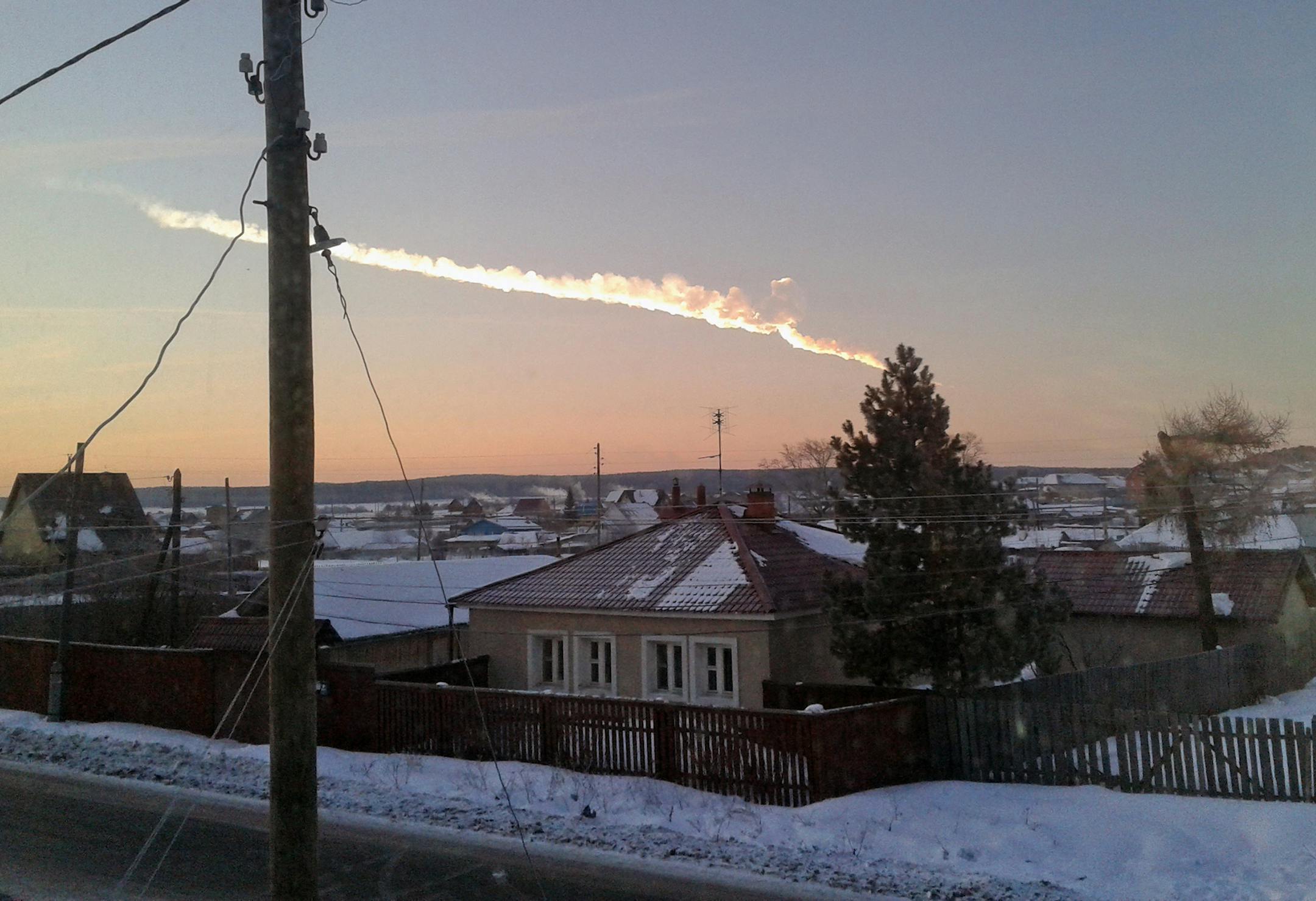
• The Chelyabinsk meteor: In February, a meteor struck the Earth's atmosphere and exploded above Chelyabinsk, Russia, causing more than 1,000 injuries but no deaths. Had it approached at a slightly different angle, the carnage would have been titanic. The explosion should have served as a warning. Instead, the story flashed briefly across the world's consciousness, then vanished. The dissipating of interest is easy to understand: A meteor strike in which nobody dies is "dog bites man," not "man bites dog."
But we should be paying closer attention. In November, the journal Nature published two papers that concluded that impacts of similar meteorites are more frequent than previously thought, and they could do enormous damage should the kinetic energy not be absorbed in the atmosphere. The Chelyabinsk meteorite, as it turns out, had a diameter of only about 20 meters (about 66 feet) but caused damage 60 miles away. It weighed at least 12,000 metric tons, far heavier than initially thought. It exploded with the energy of a 500-kiloton nuclear blast (the bombs in Hiroshima and Nagasaki had yields of 15 and 20 kilotons, respectively). So a ground burst would have been a disaster.
Historically, the atmosphere has protected the surface of the Earth from collisions with relatively small asteroids. But there are plenty out there measuring 50 meters (almost 165 feet) in diameter and more, the size known to astronomers as "city killers."
An extraterrestrial object of that size would likely survive contact with the atmosphere and produce a devastating ground burst. The University of Hawaii's Asteroid Terrestrial-Impact Last Alert System, funded by a grant from NASA, is designed to give one week's warning of the impact of asteroids of city-killer size — or larger. It is expected to be in place by the end of 2015.
If, as researchers believe, a city killer arrives about once a century, then we are due: The last one struck Siberia in June 1908. We're not close to ready. There are a number of truly imaginative plans out there, including one that involves white paint. Yet NASA lacks the money for a serious response system, even though it is under congressional mandate to have one by 2020.
No doubt there will be endless appropriations (and recriminations) once a city killer actually strikes. "Any fool can tell a crisis when it arrives," wrote Isaac Asimov. "The real service to the state is to detect it in embryo."
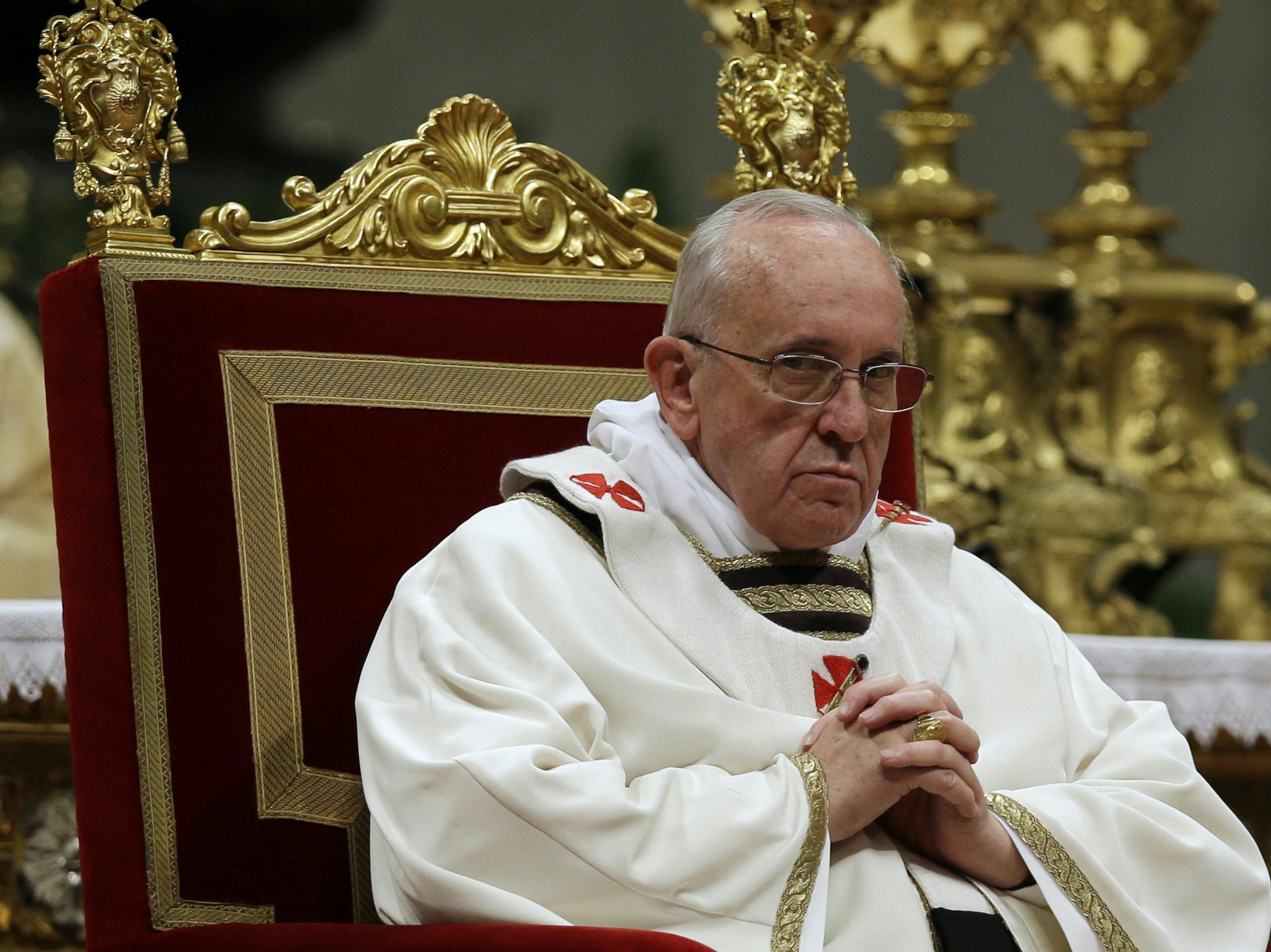
• Pope Francis' Encyclical: Francis has captured the imagination of the world, even if his messages have been widely misunderstood. Even Time magazine, which named Francis its person of the year, had to correct its erroneous assertion that he had rejected church dogma. If we hope to understand Francis, we might begin not by celebrating his carefully nuanced statements on issues around which our politics revolve, but by studying his considered words about the Christian faith itself. I would suggest an examination of the only encyclical he has issued so far, Lumen Fidei ("Light of Faith"). There Francis has this to say: "Love and truth are inseparable. Without love, truth becomes cold, impersonal and oppressive for people's day-to-day lives."