

I just received my open enrollment package, ushering in that time of year when workers with flexible spending accounts scramble to spend unused funds on over-the-counter medications and new pairs of glasses. It's always so hard to estimate yearly medical expenses, isn't it?
Well, a new survey shows that most of us have at least one misconception when it comes to these accounts that are opened through an employer to pay for qualified medical expenses with pre-tax dollars.
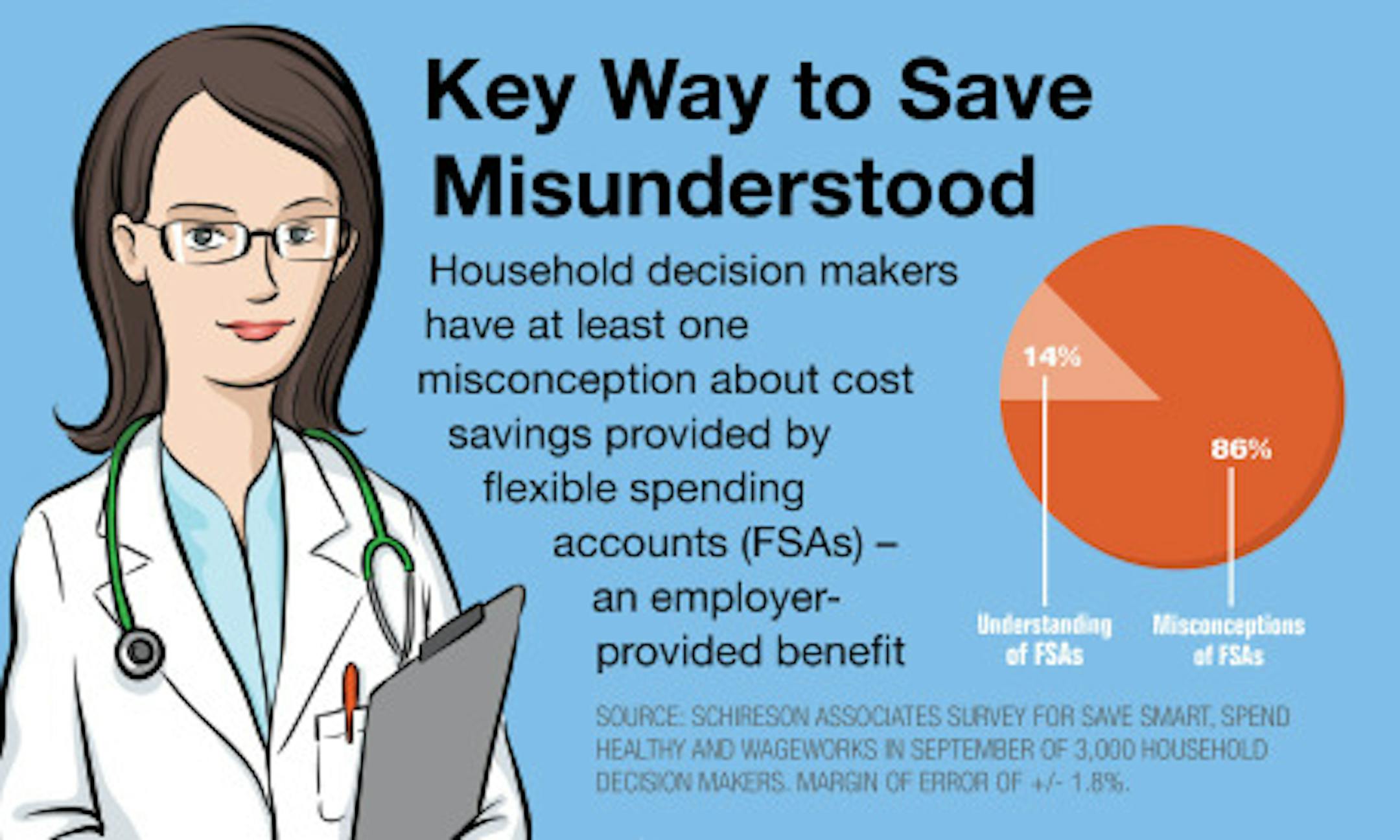
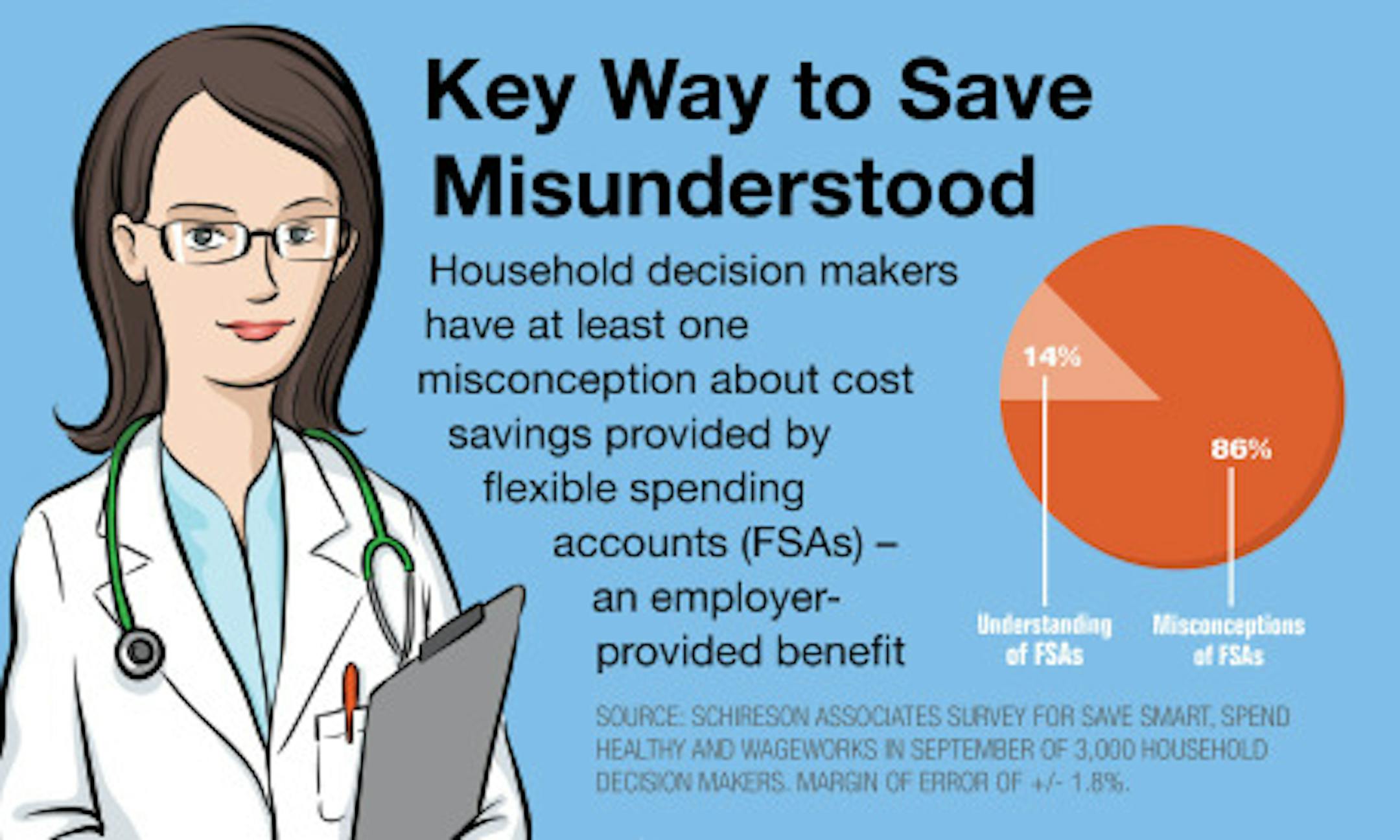
Like the rest of the nation, the vast majority of Twin Cities residents don't completely understand their FSAs either. Eighty-six percent of us have at least one misconception about FSAs - 13 percent of didn't even realize that FSAs aren't subject to income and security taxes. Four in 10 of us admit that when it comes to workplace benefits, we know less about FSAs than health insurance plans and other perks.
The study was conducted for employee benefits firm WageWorks.The company recently launched a campaign to educate workers about FSAs. SaveSmartSpendHealthy.com even has a calculator you can use to determine how much your family could save with a flexible spending account.
I've written a lot about these accounts over the years and one reason people tend to ignore them is out of fear of losing money. FSAs are set up so that if you don't use the cash in a given year, you lose it. That said, if you wear glasses or know that Junior is getting braces this year, it pays to set aside that cash before taxes are taken out.
Another caution: Beginning in January, some of the rules surround flexible spending accounts are changing due to the new health care bill. For example, if you're used to buying your aspirin in bulk using your flex spending, you're going to have to get a prescription. But not all over-the-counter purchases will require a doctor's note. Check out this fact sheet from WageWorks.
Finally, you may want to rethink your contribution levels in light of the new law. You may find yourself spending less because there are more free preventative services. Or if you're tacking your adult child onto your health care plan, maybe you'll need to set aside more dollars.
Bottom line: Take some time to understand flexible spending accounts. If you've never signed up because you're afraid you'll lose money, give one a try with a conservative sum.


