

It's the rare public intellectual who admits to making big mistakes. Usually, the rule is to defend everything you've ever said, in an attempt to maintain a reputation for wisdom. Richard Florida, the noted urbanist and professor at the Rotman School of Management at the University of Toronto, is among the select few to go back and reevaluate his big ideas.
In his 2002 book, "The Rise of the Creative Class," Florida both anticipated and helped promote the trends that would come to define the U.S. urban revival in the decade that followed. The basic premise was that by creating a good environment for knowledge workers — both the science and engineering types and the creative artistic types — cities could attract the human capital that would bring in businesses and ultimately reinvigorate their economies.
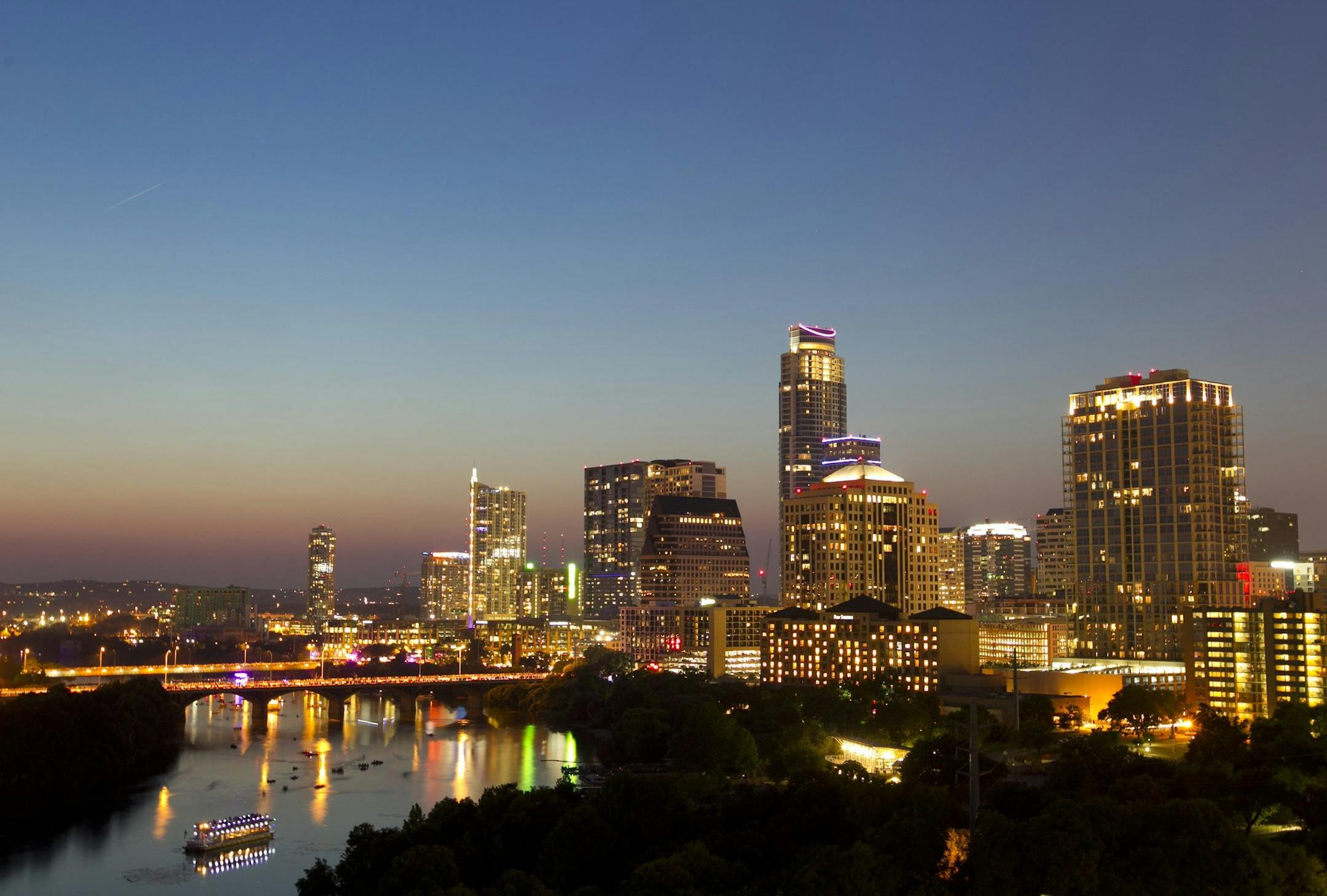
The strategy worked. New tech clusters like Austin, Texas, and aging postindustrial cities like Pittsburgh were able to use the Florida strategy to good effect. Urban economist Enrico Moretti has documented the dramatic economic and social outperformance of U.S. cities and regions that have managed to attract knowledge workers.
Now Florida thinks the strategy might have worked a bit too well. In a new book titled "The New Urban Crisis," Florida reverses much of his earlier optimism about the potential of knowledge-hub cities. These metropolises, he contends, have now become engines of inequality and exclusion.
Florida measures what he calls the 95-20 ratio of metropolitan areas — the ratio of the income of the people at the 95th percentile to that of the folks at the 20th percentile — and found that the 10 most unequal areas include lots of knowledge hubs like New York, San Francisco and Los Angeles. Those 10 years, in descending order, are: Bridgeport-Stamford-Norwalk, Conn.; New York-Newark-Jersey City, N.Y.-N.J.-Penn.; San Francisco-Oakland-Hayward, Calif.; New Orleans-Metairie, La.; McAllen-Edinburg-Mission, Texas; Boston-Cambridge-Newton, Mass.-N.H.; Los Angeles-Long Beach-Anaheim, Calif.; Miami-Ft. Lauderdale-West Palm Beach, Fla.; New Haven-Milford, Conn.; and Houston-The Woodlands-Sugar Land, Texas.
Florida backs this correlation up with lots of other data. He also painstakingly maps the geography of wealth and poverty in cities across the country. And crucially, he shows that the correlation between innovative industries and urban inequality doesn't hold across the globe — it looks like other countries are doing something different.
U.S. knowledge hubs have also experienced skyrocketing rents and land prices. Most of these cities haven't been willing to build large amounts of new housing and transit infrastructure, so as high-paid engineers and businesspeople crowd in, the service class gets squeezed out. Measuring the amount of money that service workers have left over after paying for housing, Florida finds that workers in high-cost cities like San Francisco and New York City make barely more than their counterparts in sprawling, cheap places like Las Vegas.
Living in Washington on less than $14,000 a year after paying rent is a challenge. Yet that's the reality huge numbers of residents in American cities face. High rents and housing shortages tend to push people out to the suburbs, with their unsustainable car-centric infrastructure.


