

Opinion editor's note: Star Tribune Opinion publishes a mix of national and local commentaries online and in print each day. To contribute, click here.
•••
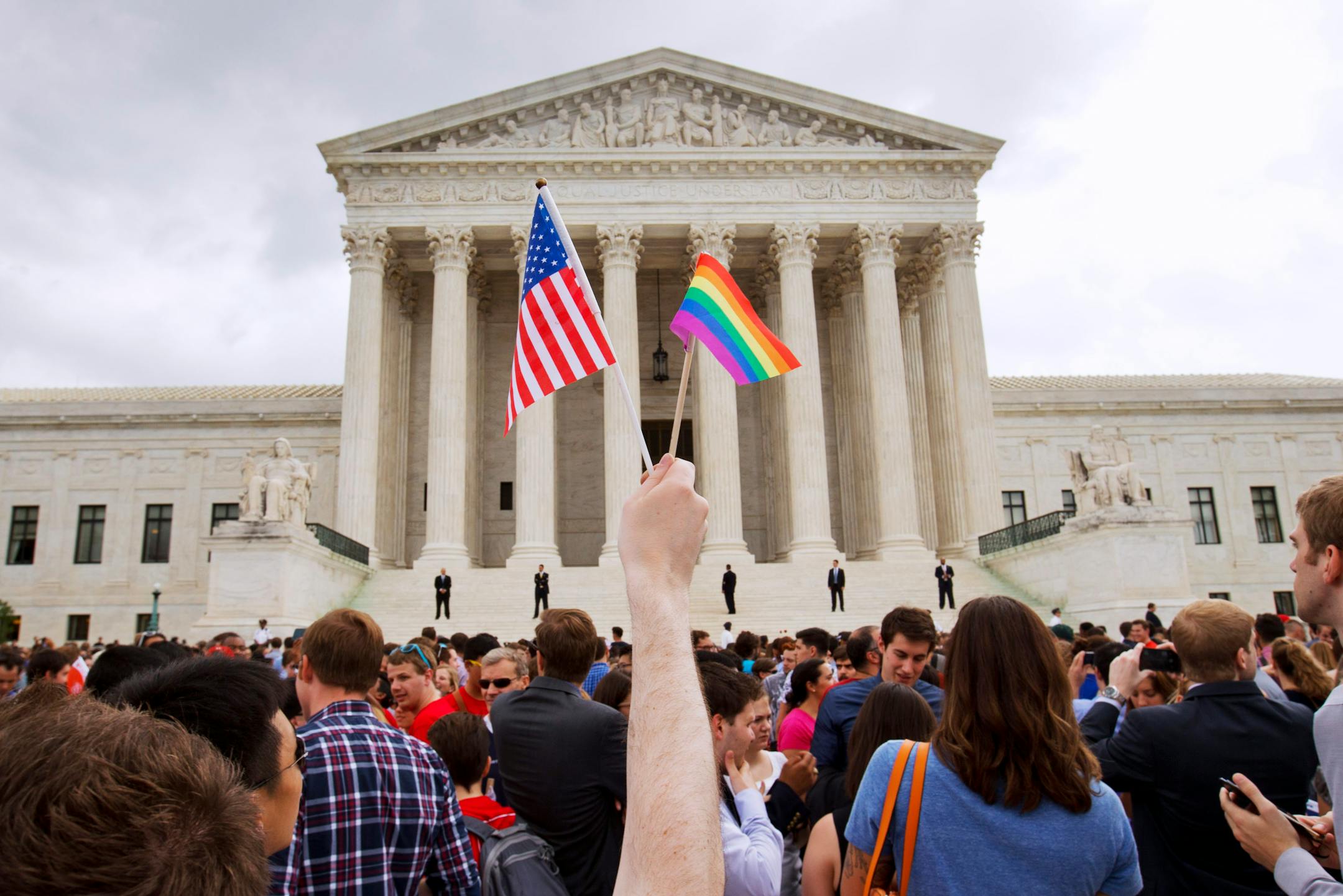
The Supreme Court decision overturning Roe v. Wade has many hardline conservatives itching to scrap other decisions they have long reviled. Sen. Ted Cruz, R-Texas, spoke for many in his party when he argued that the court was "clearly wrong" in 2015 when it struck down laws against same-sex marriage.
On Tuesday, House Democrats, fearful that the court may agree, put through a measure to preserve marriage equality nationwide — and 47 Republicans voted yes. That doesn't mean the Senate will go along, but Cruz is clearly on the losing side of the political debate. More surprising, perhaps, is that he may be on the losing side of the constitutional debate — even with this court.
The decision in Obergefell v. Hodges was controversial at the time but soon became a nonissue. A recent Gallup survey found that 71% of Americans think same-sex couples should be allowed to marry. Democrats would like nothing better than for Republicans to run on a platform of banning same-sex marriage.
In holding forth, Cruz cruelly exposed the weakness of his case. "Obergefell, like Roe v. Wade, ignored two centuries of our nation's history," he said. "Marriage was always an issue that was left to the states." Those who favored same-sex marriage should have had to succeed "in convincing your fellow citizens" to "change the laws."
But this argument could also be used against the 1967 Supreme Court decision in Loving v. Virginia legalizing interracial marriage — which was illegal in 16 states. History and states' rights argued for letting those laws remain in force.
Critics of Roe v. Wade ridiculed its emphasis on the right to privacy, which the Constitution does not explicitly protect. But the opinion in Loving never mentioned privacy — and the opinion in Obergefell mentioned it just once, in passing.


