PLYMOUTH, Mass. – The alewife, a type of river herring, wriggled against the current, a 10-inch streak that disappeared from view as it rounded a bend in the stream.
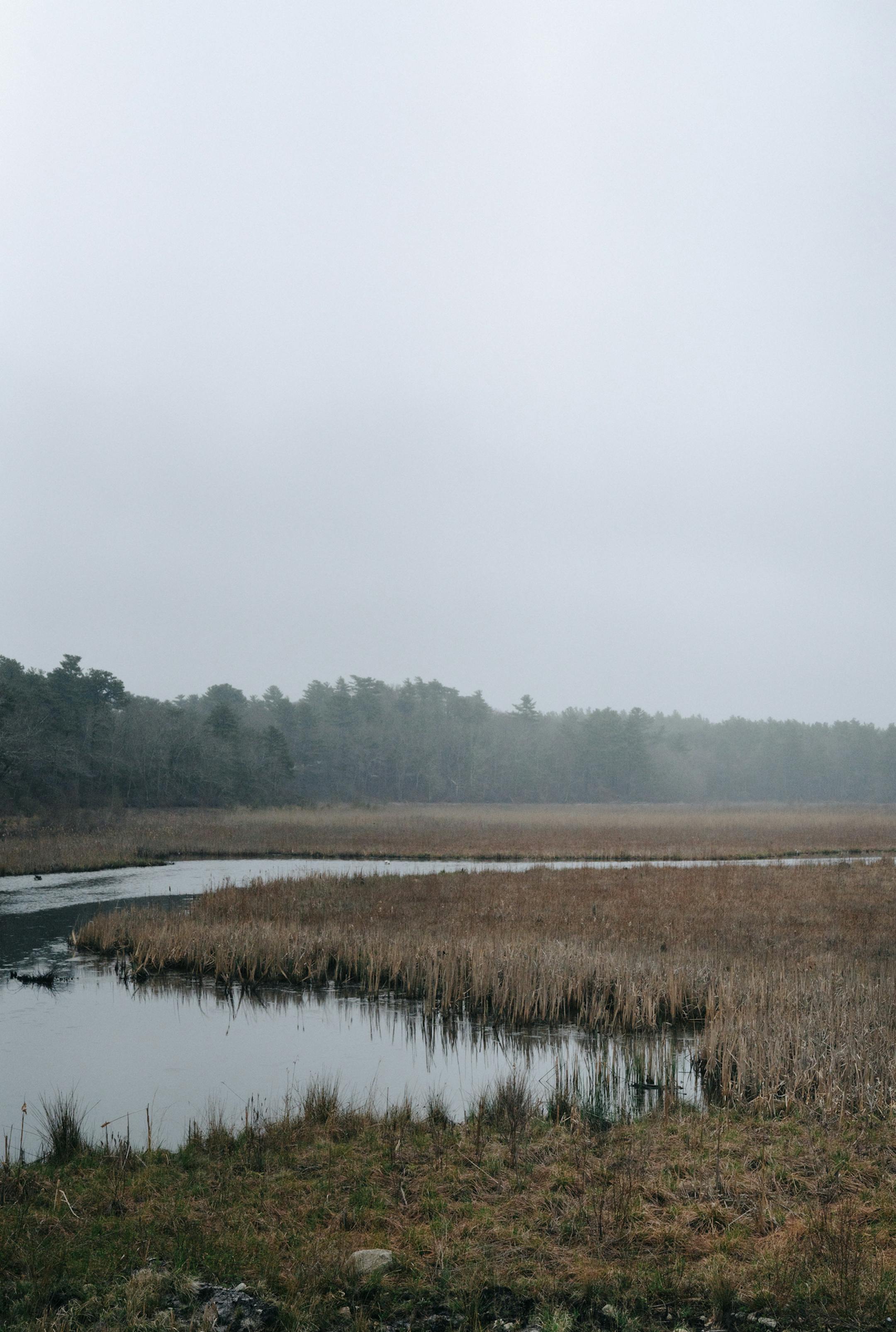
It was a normal springtime pilgrimage for the fish, which lives in the ocean but swims upstream to spawn. But this time it was happening in a surprising place — a waterway that was not here two years ago.
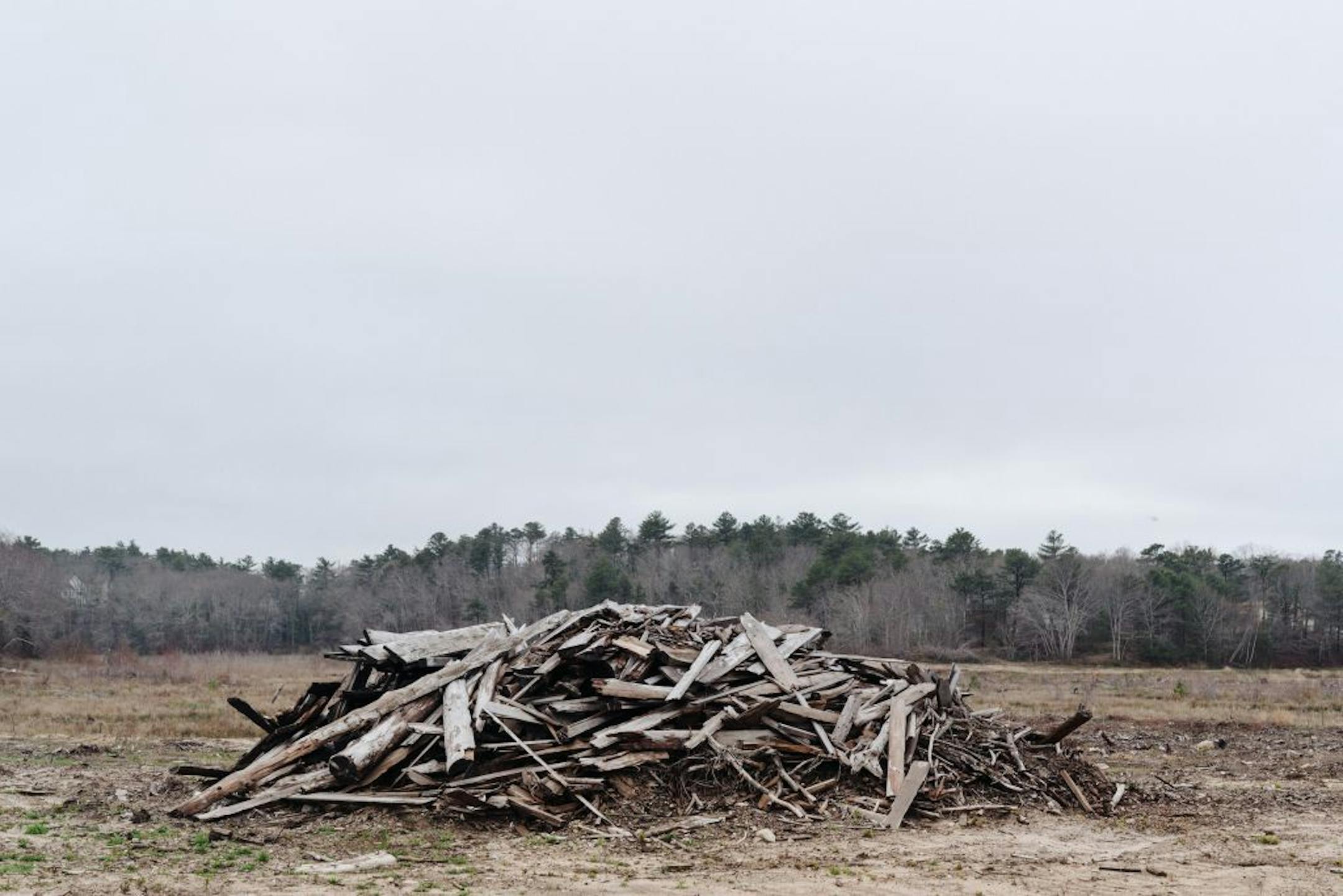
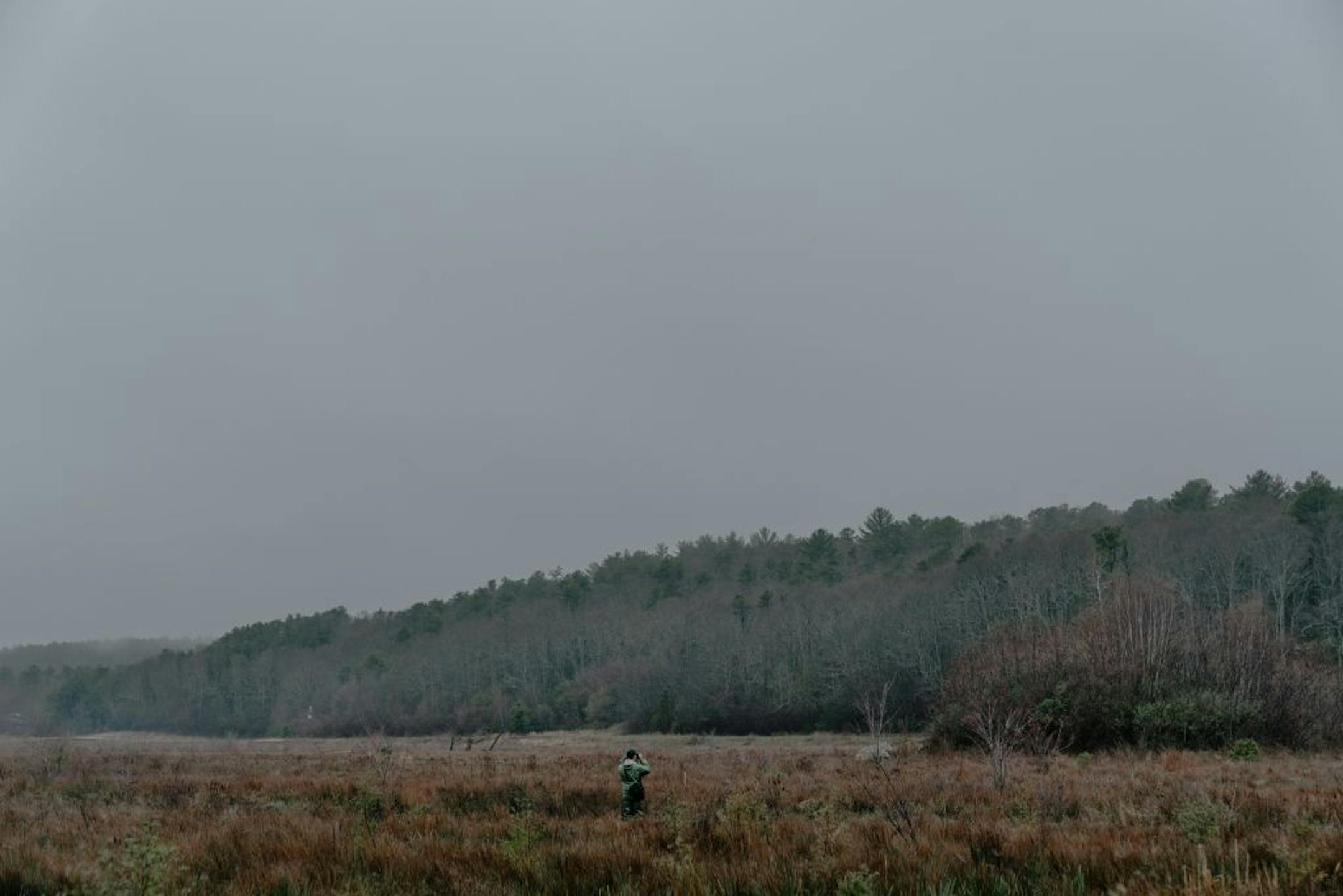
For more than a century, this place, called Tidmarsh Farms, was the site of a cranberry bog, a thick carpet of the fruit's vines atop a bed of sand with straight water channels. But commercial cranberry farming, which began in Massachusetts, has flagged here in recent years as prices dropped and different farming methods emerged elsewhere. Unfolding here now is an ambitious project: turning a cranberry bog back into the coastal wetland it once was.
Economic shifts have left landowners and communities around the country trying to figure out what to do with fallow industrial space, from abandoned farmland to empty factories and warehouses. Experts say the project here shows one path for dormant cranberry bogs.
But they say this could also be a broader template for bringing back disappearing habitat that scientists say could be useful in an age of climate change.
"Lands like this can store floodwater or storm surges," said Alex Hackman, a restoration specialist with the state who has overseen much of the work at Tidmarsh. "The ocean is going to push inland, and it's lands like this — if we can protect them and re-naturalize them — that make for good places to receive that water in the future."
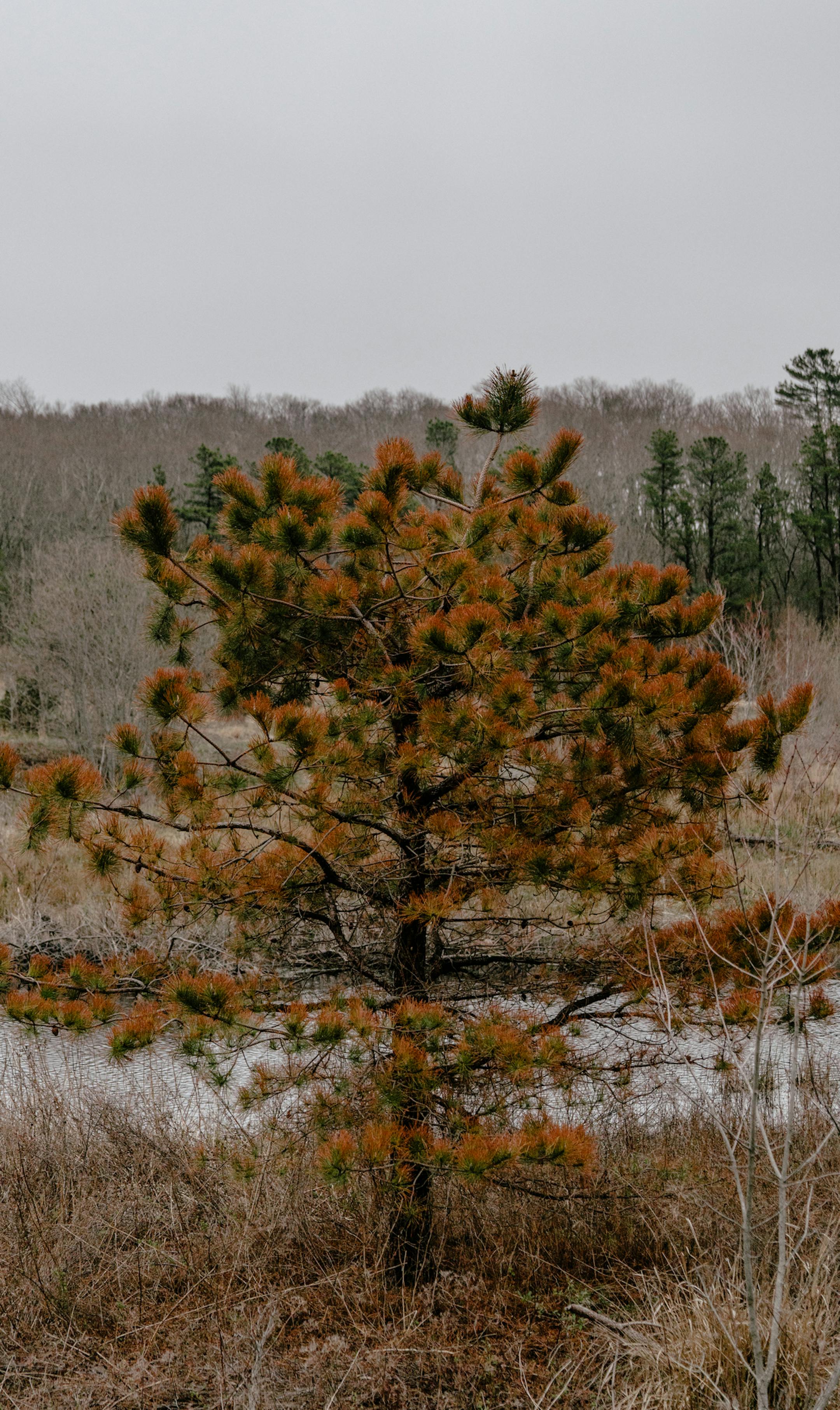
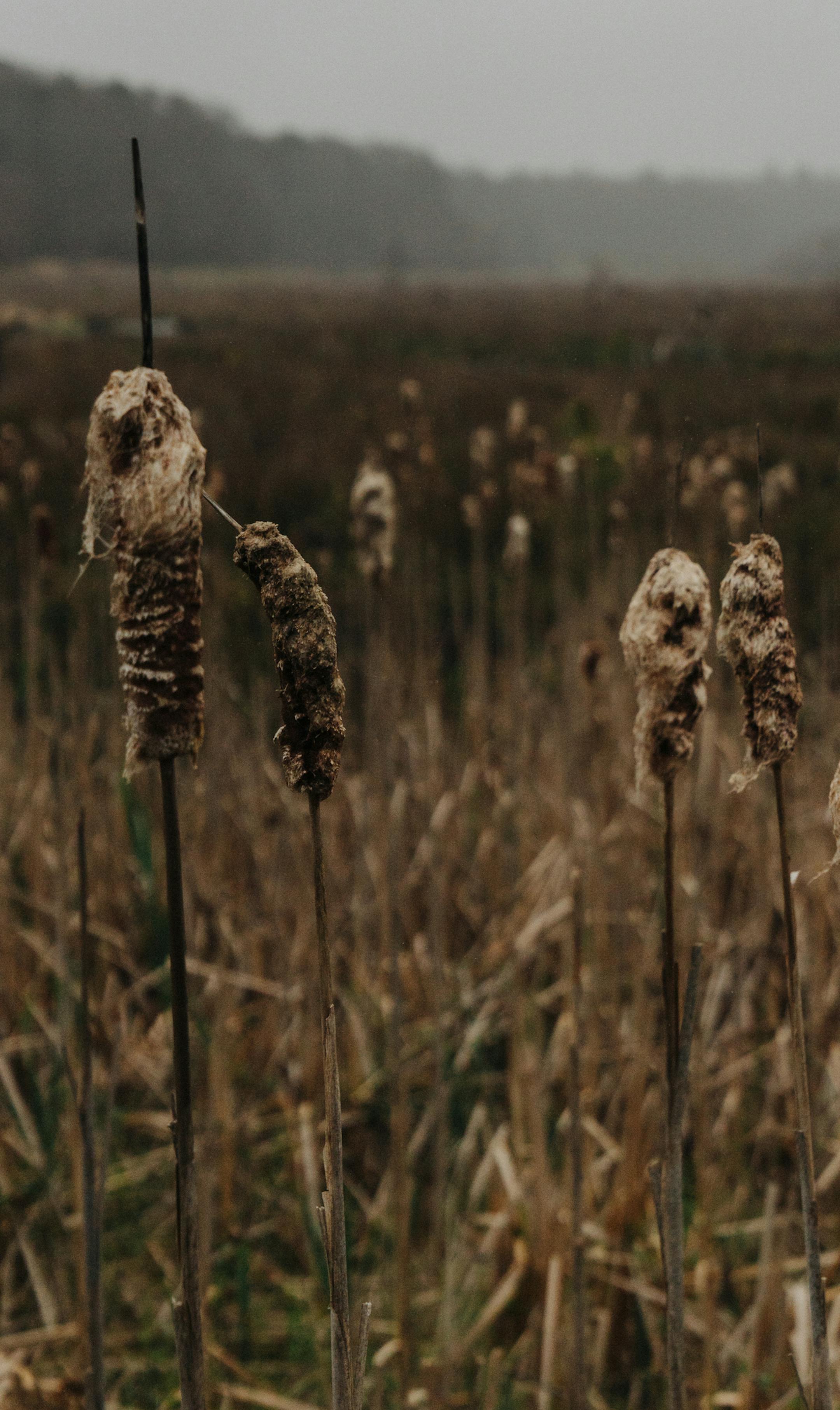
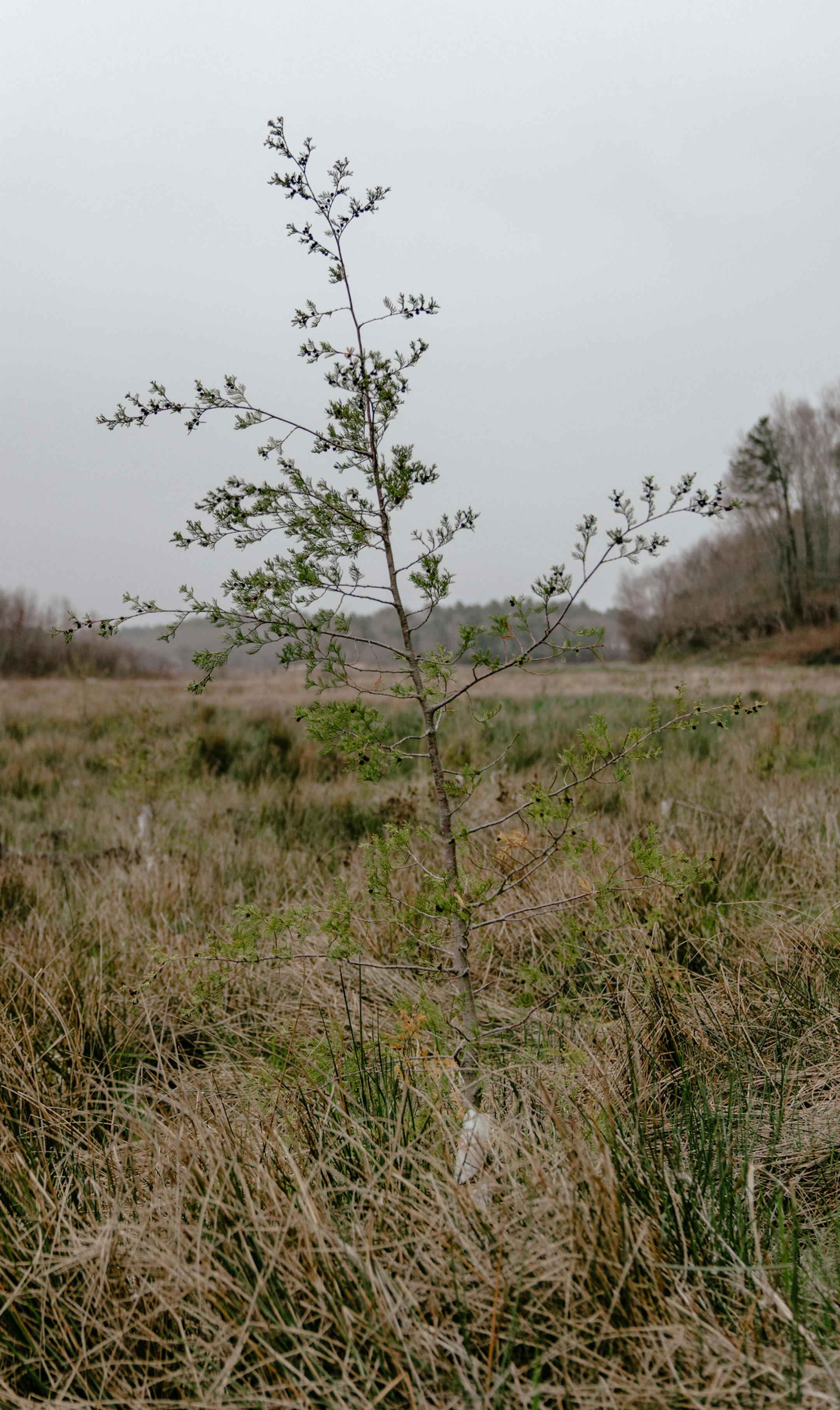
After more than a year of intensive work, including seven earthen dam removals and a project to rebuild the stream that had not flowed uninterrupted since the 1800s, new life is returning to Tidmarsh. A walk through the property is a stroll back in time. Tadpoles and kestrels are turning up. Cranberries are withering. And the changes offer clues to a crucial question: What does it take for nature to come back?
In 1989, this was a thriving cranberry bog that produced 1 percent of Ocean Spray's harvest. But technological changes enabled more efficient farming to take place elsewhere, including on dry land, and southeastern Massachusetts is now dotted with struggling cranberry bogs.