

Vernice Hall had always beaten the odds.
Doctors never expected her to survive the bullet that ripped through her brain one night in 2007, just steps away from her north Minneapolis home. They counseled her parents to prepare for the worst. Instead, the couple prayed for a miracle.
Vernice hung on. The 12-year-old fought through multiple surgeries to remove a piece of her skull and spent weeks on a ventilator. Eventually, she regained consciousness. But the shooting left the once vibrant little girl with massive brain damage that required round-the-clock care, stealing her ability to walk or talk.
Despite her disability, Vernice - better known to friends and family as Star - found creative ways to communicate her needs and express her love. She earned a high school diploma, danced to Beyoncé and never lost her fiery disposition. Over the next 17 years, she surpassed each grim prognosis, modeling a form of resilience and strength that often shocked medical staff and her own family.
“Every time they tried to count her out,” said her older sister, Temeka Wickliffe, “she proved them wrong once again.”
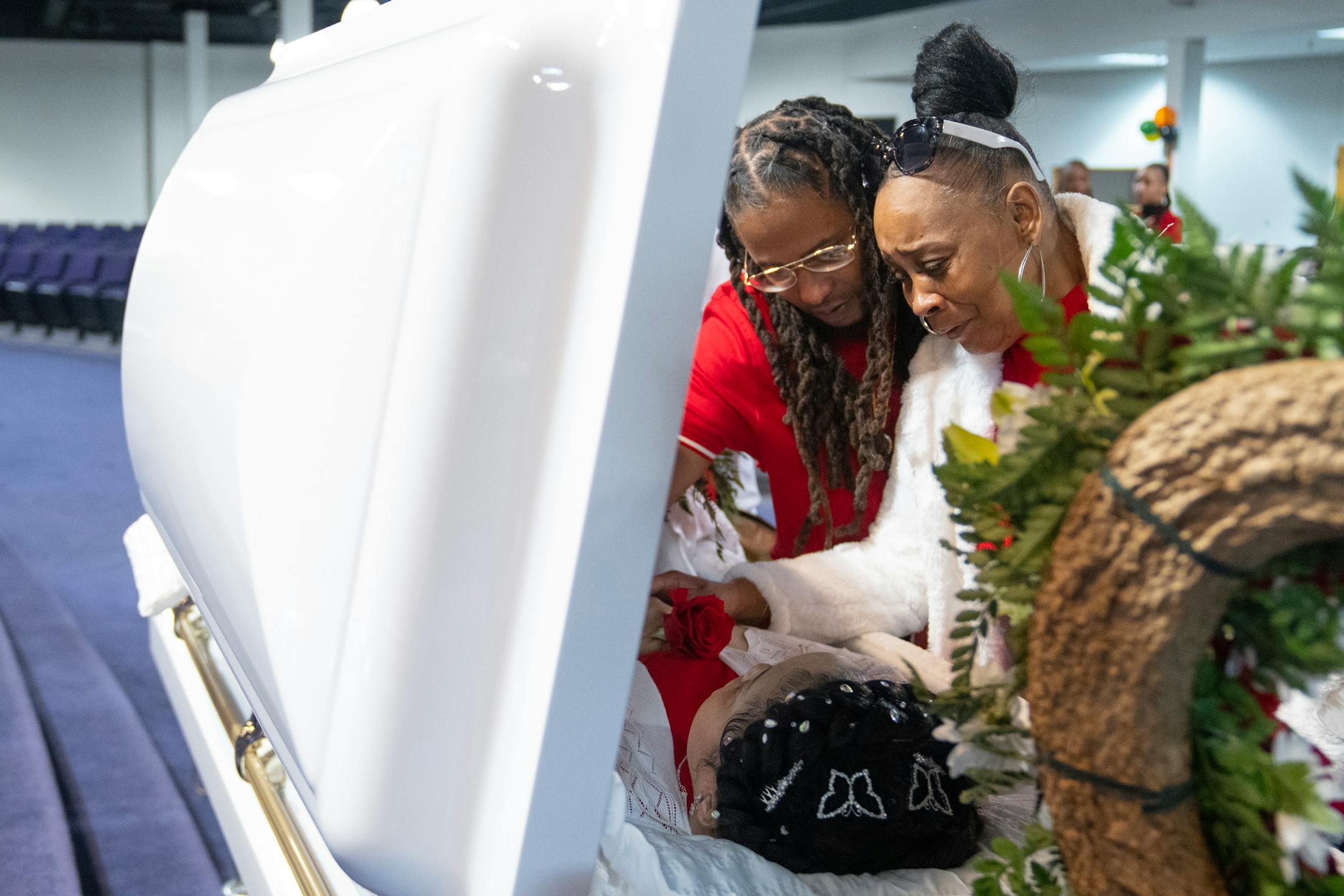
Star died after a short illness Feb. 16 at her mother’s house in St. Paul. She was 29.
An autopsy is pending. If the medical examiner rules that her death was caused by complications from the gunshot wound, Minneapolis Police will reopen the case as a homicide.
A stray bullet
On Sept. 22, 2007, Star was sitting on the stoop outside her house on the 1800 block of Oliver Avenue N., where several dozen relatives had gathered for a party. When she got up to escort a friend down the block, a series of shots pierced the air.


