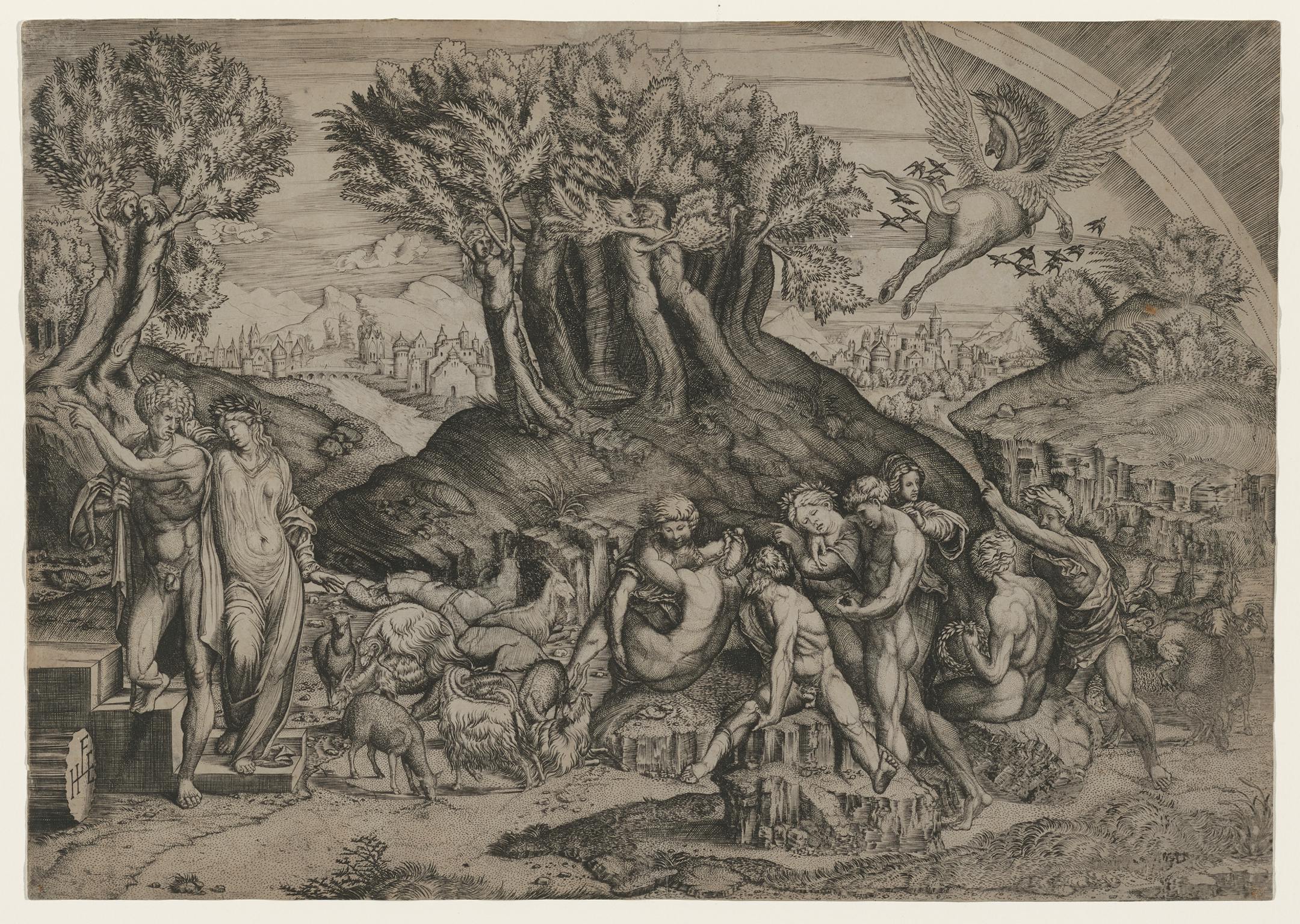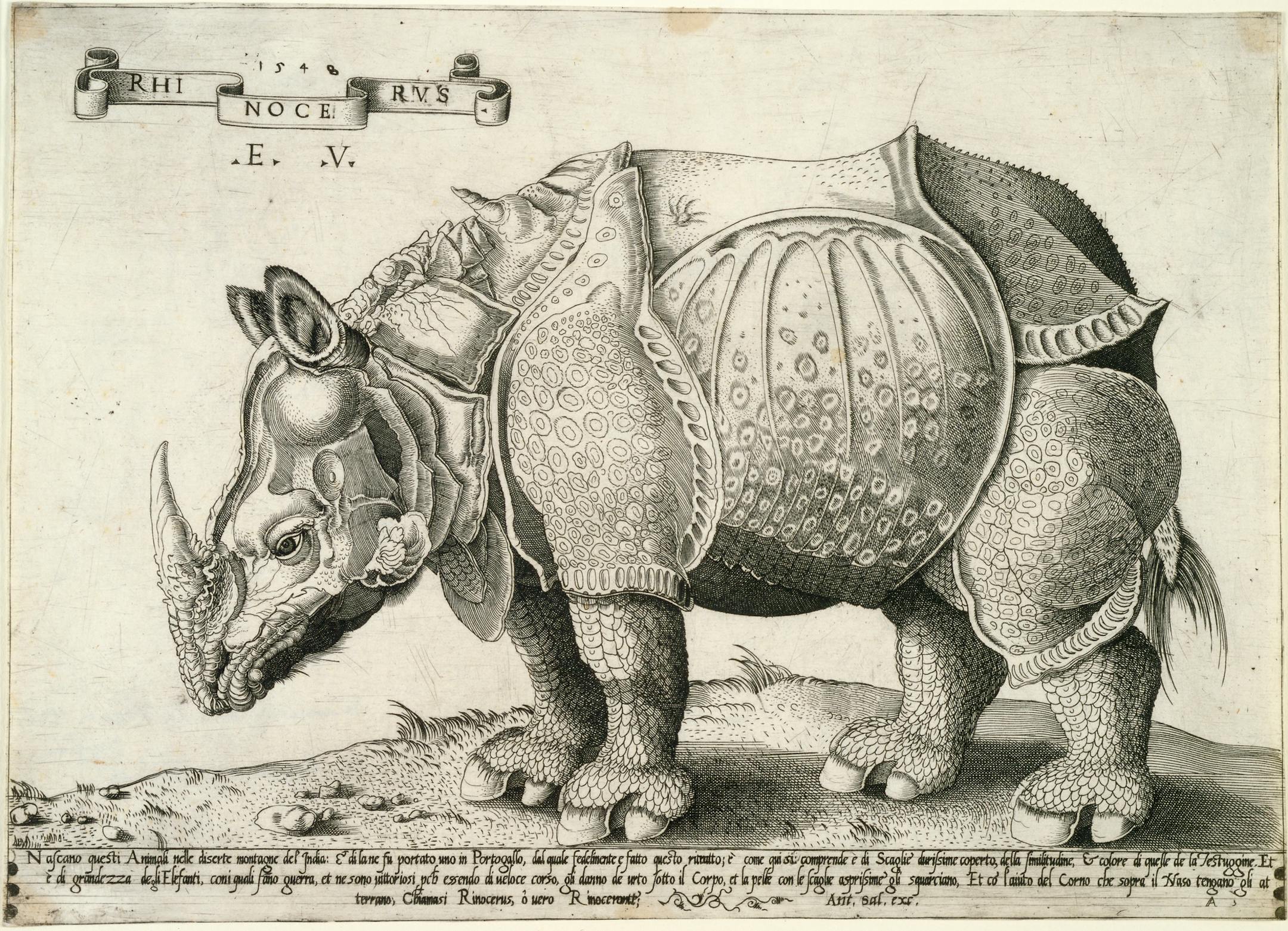
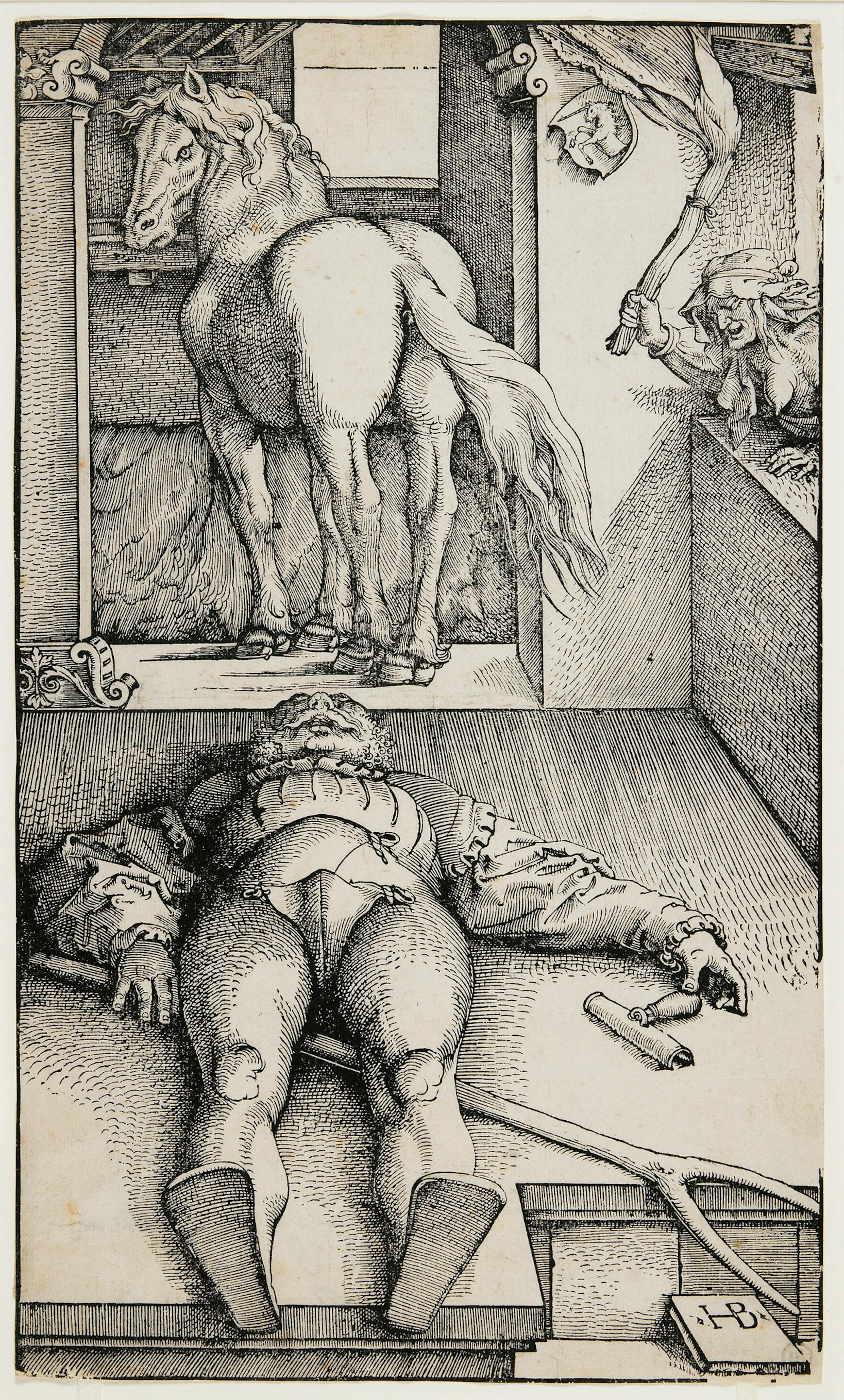
A 16th-century engraving of a rhinoceros with scaly skin emerges as part-lizard, part-beast. A witchy woman and a suspicious horse peer at a man, mysteriously lying dead on the ground. Tree trunks transformed partially into human figures are having sex and running wild.
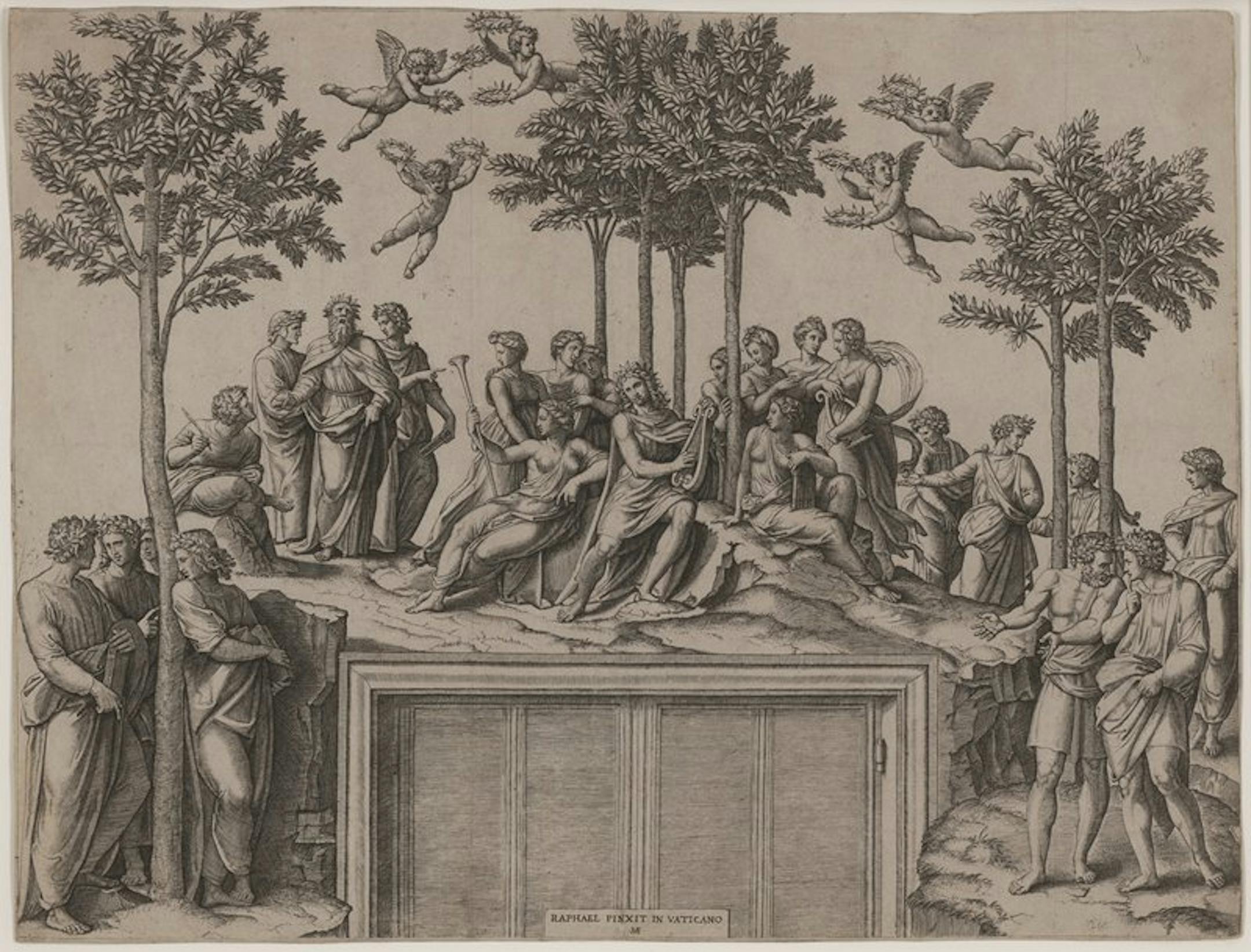
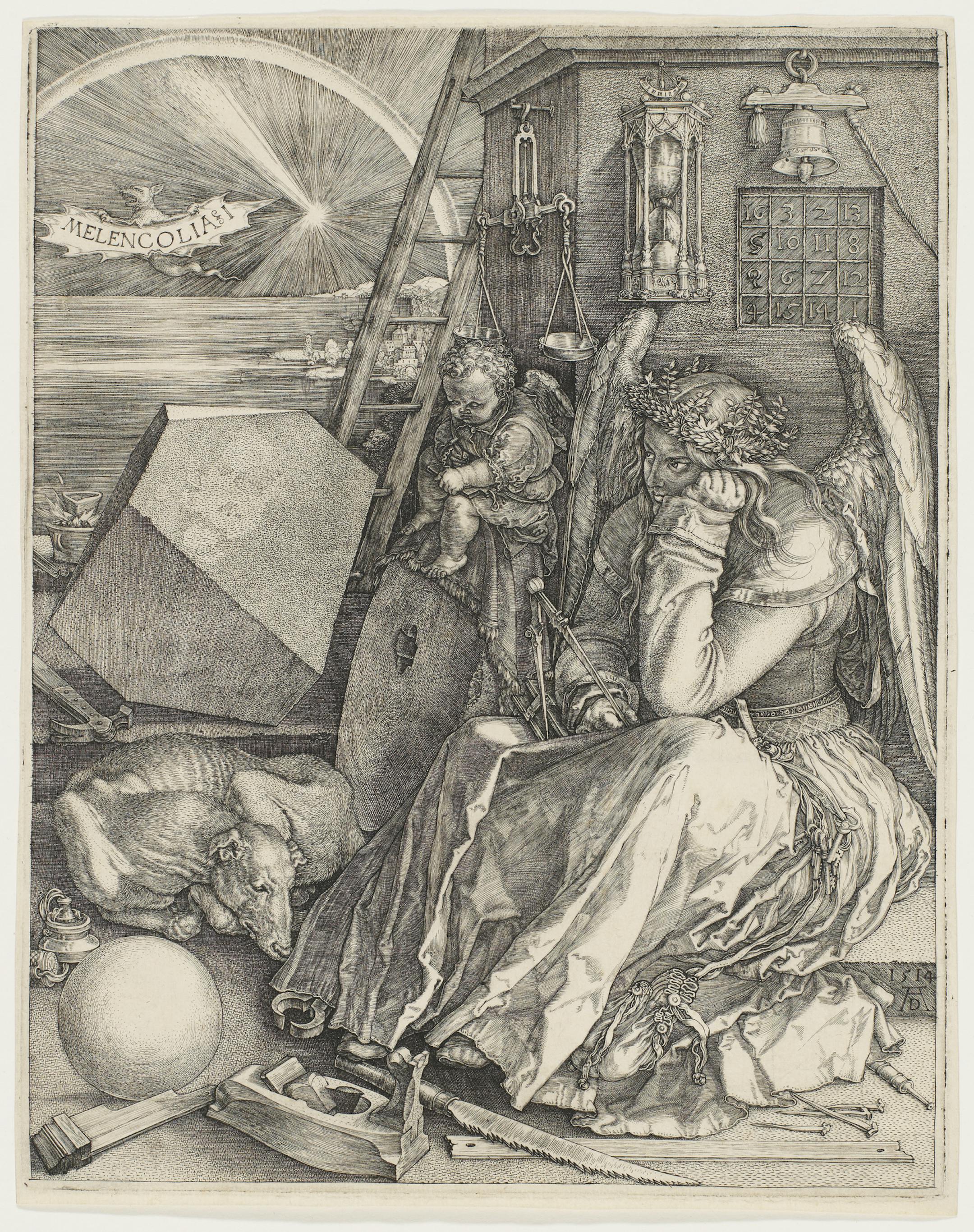
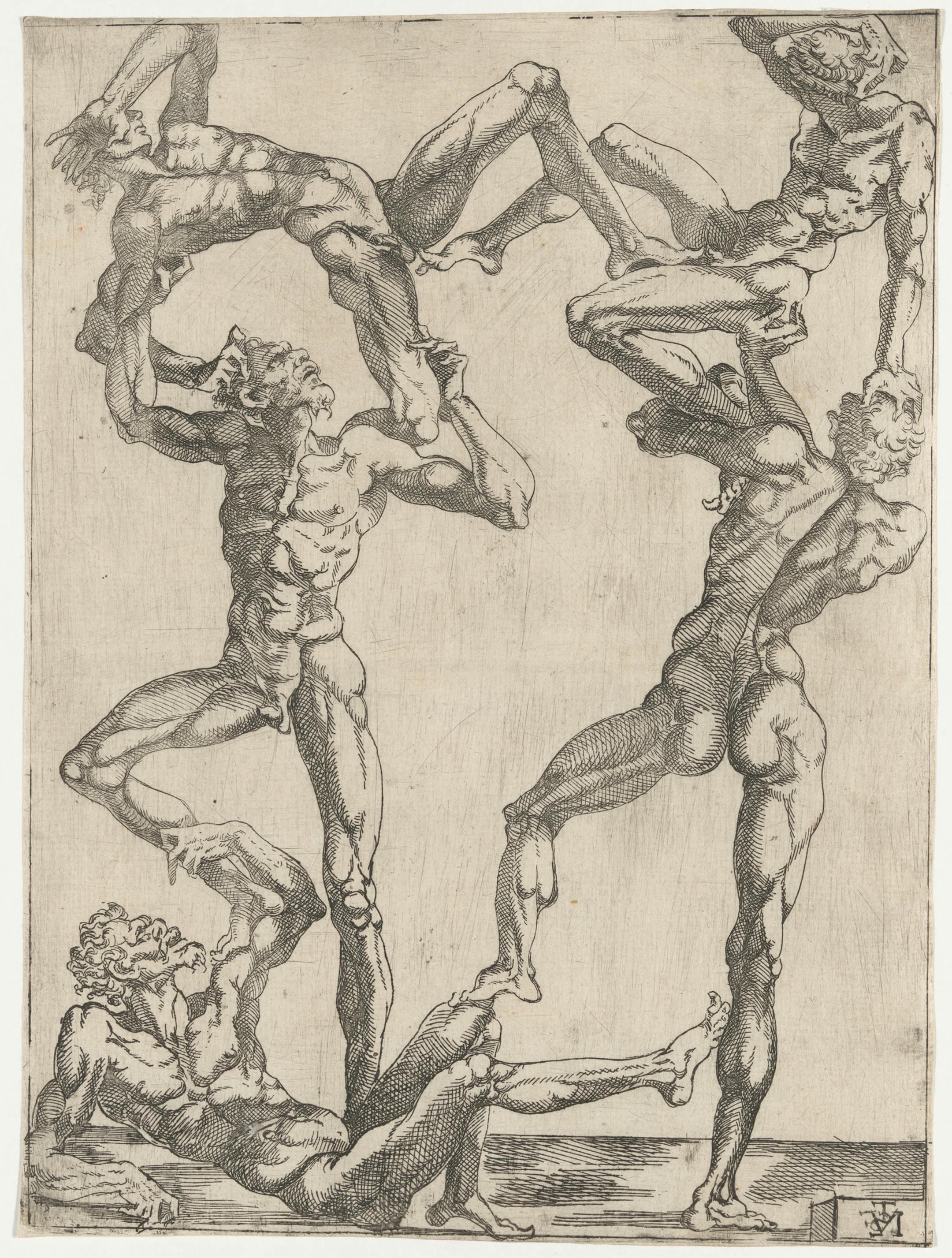
These aren’t memes being passed around on social media. They are bizarre scenes from Renaissance-era engravings, etchings and woodcuts.
Known for realism, accurate depictions of human anatomy and developments in linear perspective, the Renaissance is the epitome of not-weird.
But there’s a twist to that concept at a Minneapolis Institute of Art exhibition.
“The Weirdening of the Renaissance,” a tight-knit, single-room exhibition, explores prints from the era that verge into the surreal and straight-up bizarre. Organized by prints and drawings curator Tom Rassieur, the show promises to change people’s minds about the Renaissance.
The “weirdening,” Rassieur said started in 1506, when a Roman farmer discovered “Laocoön and His Sons,” a marble sculpture from the Hellenistic era from the second century B.C., depicting sea serpents attacking a Trojan priest and his sons.
“Suddenly these artists had this major, big sculpture that came from Antiquity but was full of energy. It wasn’t symmetrical and it was this wild story,” Rassieur said. “That triggers this feeling of artistic license.”
After dominant High Renaissance artist Raphael died in 1520, the artists who worked for him left. When Holy Roman Emperor Charles V attacked Rome in 1527, the system of commissioning art broke down, too. Artists went to northern Italy or to France, decorating the palace of Francis I.