

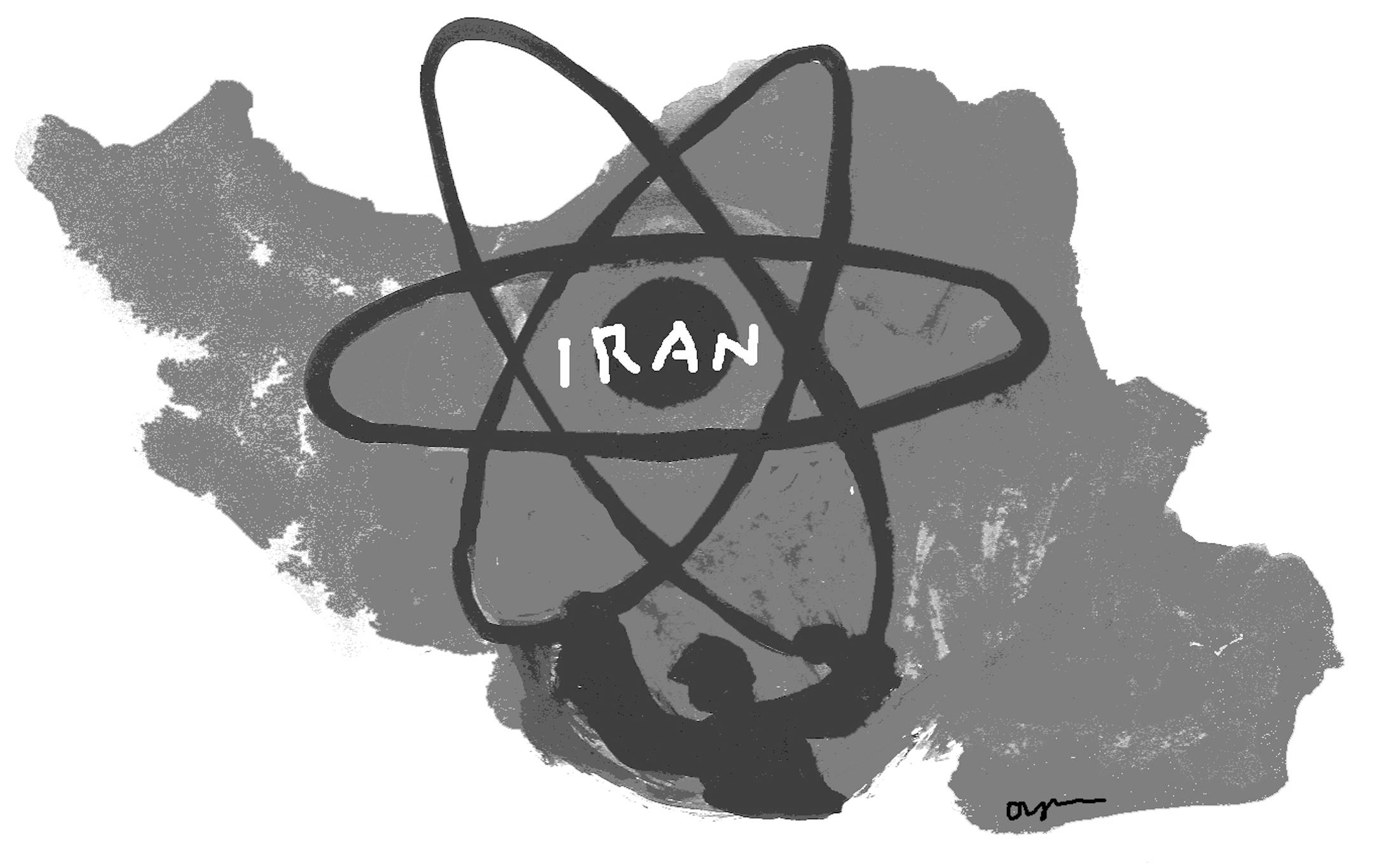
Media and political critics to the right of the president, alarmed by the sudden speed of negotiations over Iran's potential nuclear weapons program, may try to slow, or stop, an accord.
Dateline Washington?
Sure. But it's happening in Tehran, too.
"We have our hard-liners; they have their hard-liners," said Barbara Slavin, a senior fellow at the Atlantic Council.
Slavin, whose nine trips to Iran include covering the August inauguration of Hassan Rowhani, Iran's new president, said that there was a lot of "media noise." "The media in Iran has been attacking the government for not revealing all the details of its negotiation proposal. And more recently there has been some more hard-line media outlets attacking Wendy Sherman, our chief negotiator."
Here at home, a critical Congress and media may make the negotiations another partisan flashpoint.
Obama's opponents "will try to fit this into the meme that they've tried to establish about the president that he's weak, he's dangerous and naïve," Joseph Cirincione, president of the Ploughshares Fund, a global security foundation, said in an interview. Cirincione, who was in Minneapolis last week to speak at the Humphrey School of Public Affairs, was also recently in New York for the United Nations General Assembly, and along with others in the foreign-policy establishment, dined with Rowhani and Mohammad Javad Zarif, Iran's foreign minister.


