

Opinion editor's note: Star Tribune Opinion publishes a mix of national and local commentaries online and in print each day. To contribute, click here.
•••
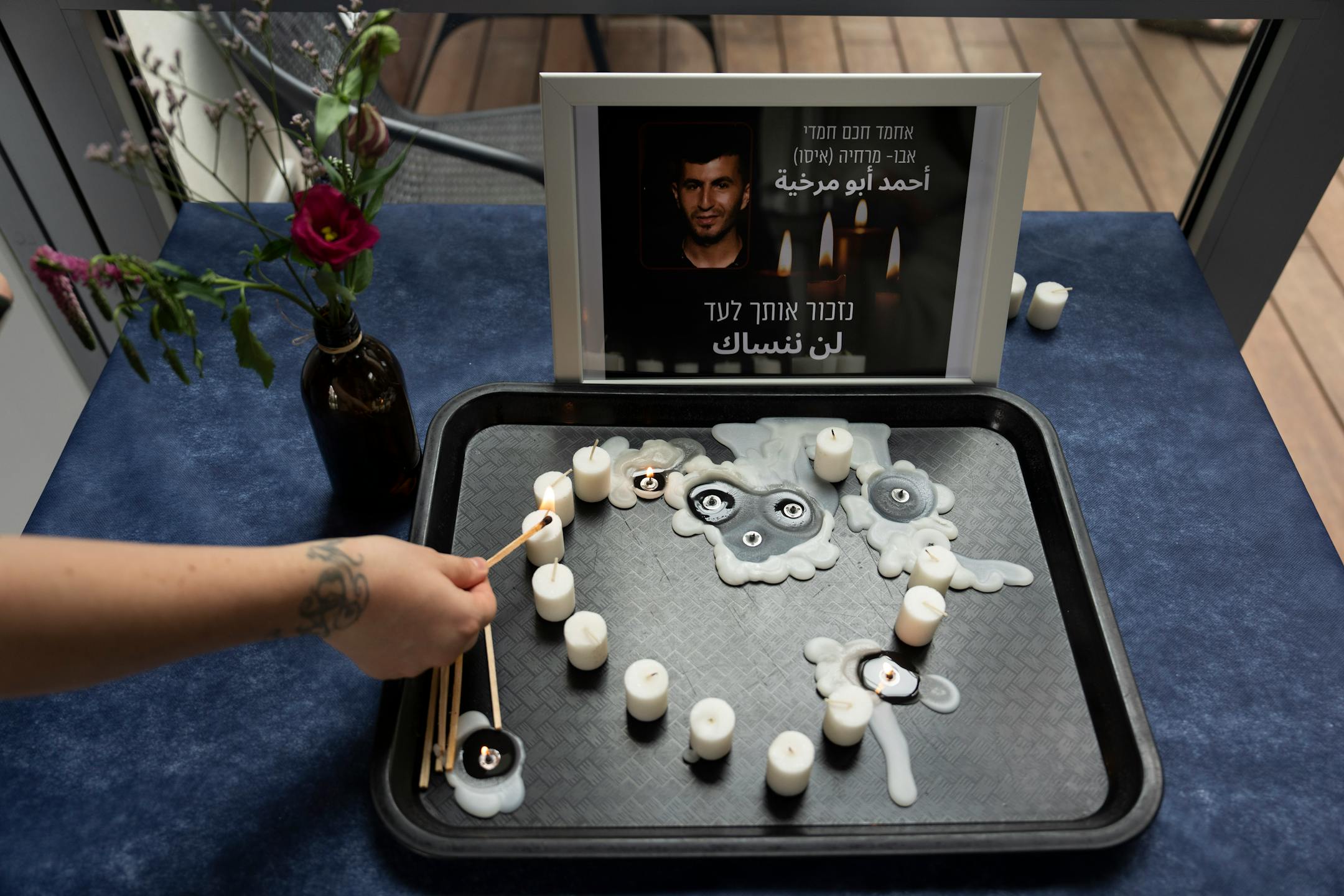
Because it's unlikely that his name will be publicly remembered for long, it's worth pausing to consider the grisly murder of Ahmad Abu Murkhiyeh in the West Bank city of Hebron. Every murder is an outrage and a tragedy, and many murders involve a larger story. In this case, it's one that too few people are willing to tell.
Murkhiyeh (some news accounts transliterate his surname as Marhia) was a 25-year-old gay Palestinian man who had been living for two years in Israel and had filed papers for resettlement in Canada. An acquaintance, Natali Farah, described him to the newspaper Haaretz as "a pleasant and sensitive guy, always appreciative and grateful. He had goals he sought to achieve in life, he found a good job and it seemed like it was all going to work out for him."
Last Wednesday, he was found beheaded in Hebron. A suspect, now in the custody of the Palestinian Authority police, filmed the beheading and uploaded it to Palestinian social media, according to a report from The Times of Israel.
As with many murders, details of the case remain unclear. A relative told a Palestinian radio station that Murkhiyeh had been living in Jordan and routinely came home for visits. No motive has been established for the killing, and it's unclear whether the suspect knew the victim.
Other facts are better established. Rita Petrenko, founder of Al-Bayt-Al-Mukhtalif, an Israeli group that works on behalf of the Arab LGBTQ community, told the Associated Press that she had helped with Murkhiyeh's resettlement papers and that his stays at LGBTQ shelters in Israel were well documented. Farah reported that Murkhiyeh had been threatened on the phone and had changed his number. Friends of Murkhiyeh attended a memorial in his honor on the Tel Aviv boardwalk. At the time of his death, Murkhiyeh was one of scores of gay Palestinians finding refuge in Israel.
Then there is the other side of the coin. A Palestinian radio presenter denounced the murder for crossing "every single red line in our society, whether in terms of morals, customs or basic humanity." That's heartening to hear, but it isn't true.


