

What does it mean when my 17-year-old daughter and the 85-year-old star of a reality TV show independently come up with the same idea? Is it a sign of the apocalypse, or an important alignment of cultural values that presages hope for the future?
If nothing else, it suggests that government foolishness is the last great transgenerational unifier. For it's clear to young and old — but not to Washington — that the penny's time has come.
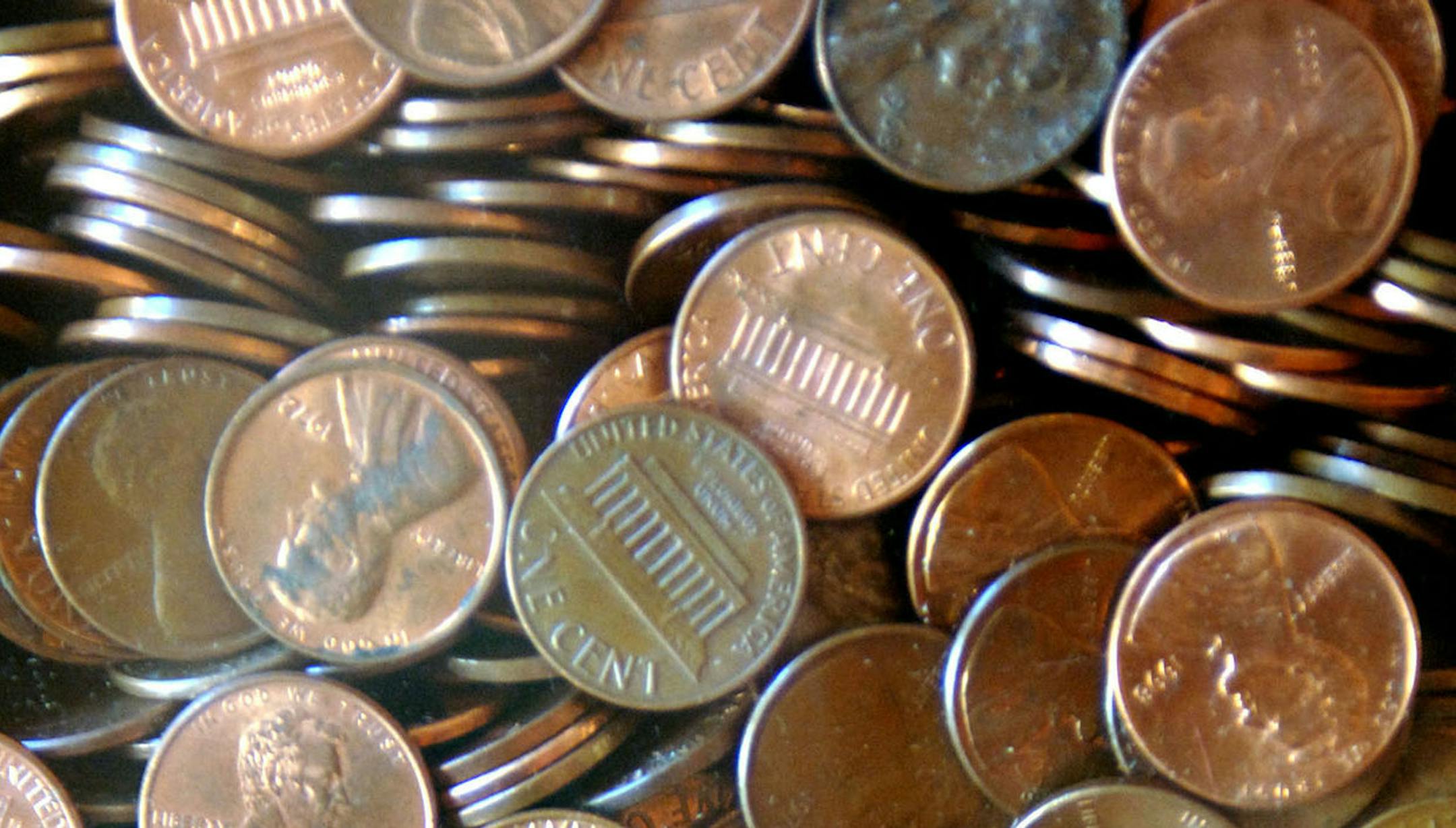
For months, my daughter Grace had been muttering about her grand plan to melt down pennies minted before 1982. Today's pennies are mostly zinc; the older ones are almost pure copper, and at today's market prices they're worth more as scrap metal. There's even a website that calculates an up-to-date value of an older penny as spot markets fluctuate. It's about 2.2 cents today.
Unfortunately, between calculus homework and after-school activities, Grace hadn't yet tracked down a contract smelter to participate in the scheme.
Along came Richard Harrison — better known as "The Old Man," the surly shop owner in the unexpectedly popular series "Pawn Stars." He's been collecting pre-1982 pennies for years. In one episode, his underlings found a handful of 10-gallon buckets filled to the brim with the copper booty. My daughter howled as her secret plot was revealed to millions.
The blow was softened, however, as Grace and The Old Man simultaneously learned the hard truth: Melting down pennies is against the law.
Formulated in 2006, the current regulations from the U.S. Mint are similar to bans in effect during the metal price spikes of 1967-69 and 1974-78. The government has been down this road before. For the same reason, only $5 worth of pennies can be carried out of the country at one time. Exporting your way around the rules will take lots of trips.
Give the feds credit for at least having a plan. By changing the coins' composition in 1982, they saved some money on materials. But with energy, labor and distribution factored in, it still costs roughly 2.5 cents today to make a penny. That's a pretty flimsy business model. Maybe, just maybe, we could live without the penny.


