

Opinion editor's note: Editorials represent the opinions of the Star Tribune Editorial Board, which operates independently from the newsroom.
•••
When we think about Ticketmaster and its "dynamic pricing" model, an old joke comes to mind: A guy walks into a haberdasher's and says he wants to buy the hat in the window. The proprietor says, "That will be $12, sir."
The man protests that a store across the street sells the same hat for $10. Our haberdasher politely suggests that the customer take his business across the street. The customer replies, "I would, but they're sold out."
Well, says the haberdasher, "When I'm sold out, I'll sell it for $10 too."
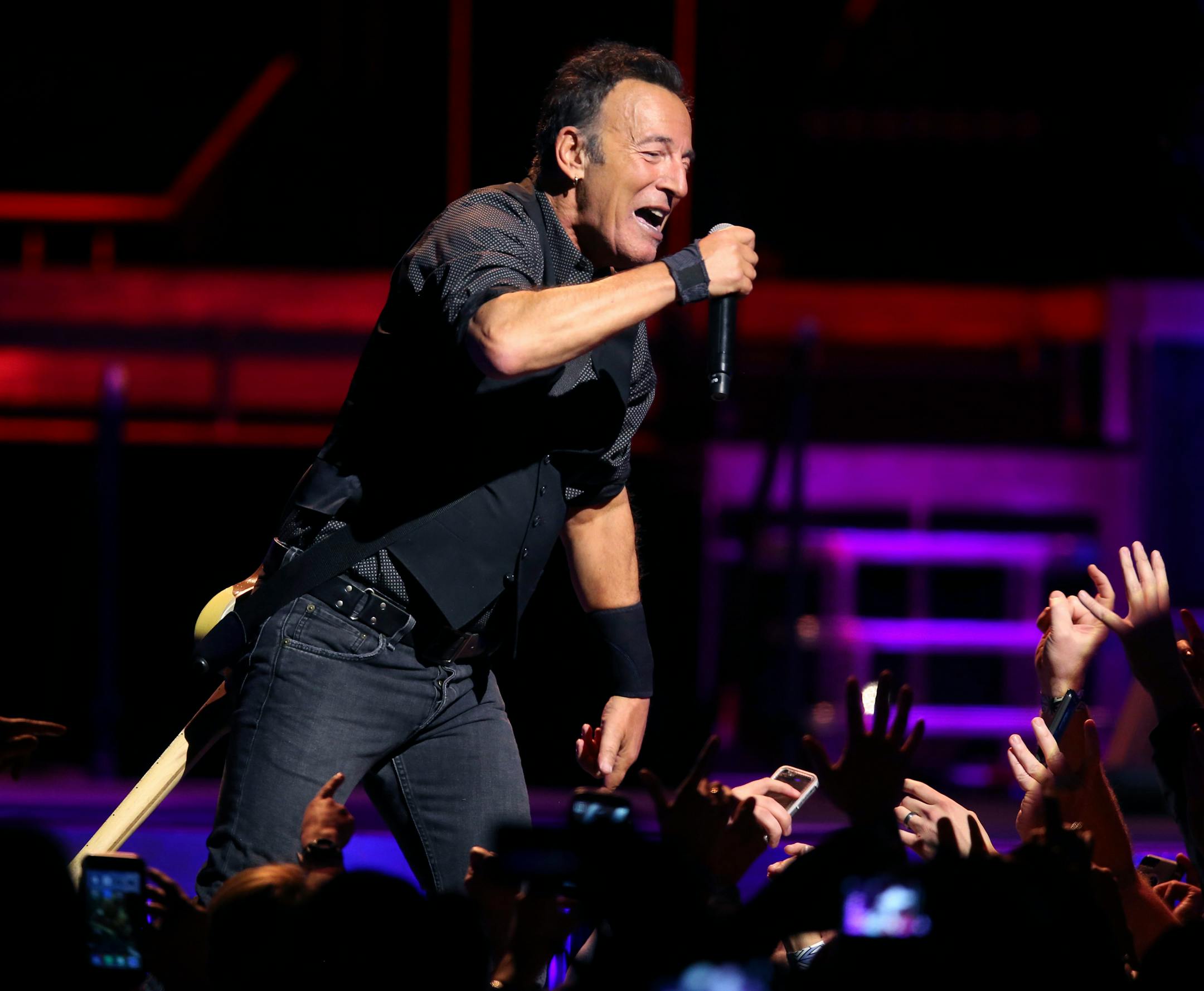
Like the haberdasher, Ticketmaster keeps an eye on demand and charges the prices it thinks the market will pay. Bruce Springsteen's fans are numerous enough, and dedicated enough, that Ticketmaster thinks it can charge $1,000 or $2,000 — in some cities, even $5,000 for prime seats — for tickets to one of the shows on his 2023 tour. To fans who have seen Springsteen and the E Street Band relatively recently for an admission fee in the low three figures, this pricing structure comes as a shock.
Ticketmaster explains its practice in terms that make it sound almost principled. Dynamic pricing, it says on its website, is a way to ensure that the artists and event organizers are paid in accordance with their true market value. It gives customers a "fair and safe" means of acquiring choice seats. It's akin to the practices of hotels or airlines, which charge varying rates according to the demand on any particular day.
Left unsaid is that a customer who can't afford to pay for a trip to Miami during spring break has a range of potential alternatives, like driving instead of flying, choosing a less popular destination or traveling in the offseason. If one is hoping to attend a Springsteen concert, there is no offseason alternative. Dynamic pricing has imposed the same dilemma on fans of Taylor Swift, Paul McCartney, Drake and other performers.


