Pittsburgh – When golf author and teacher Harvey Penick encountered people bragging about the inability of golfers to break par at their home course, he wouldn't offer congratulations. He'd ask what was wrong with the place.
This week the U.S. Open is being staged at Oakmont Country Club. It is typical of U.S. Open venues in that its beauty is surpassed by its beastliness.
Oakmont begins with a 482-yard par-4 with a fairway almost as wide as a cart path, highlighting a particularly difficult three-hole introduction to what Jordan Spieth has called "the hardest test in golf."
Graeme McDowell called Oakmont "scary" after playing a practice round this week.
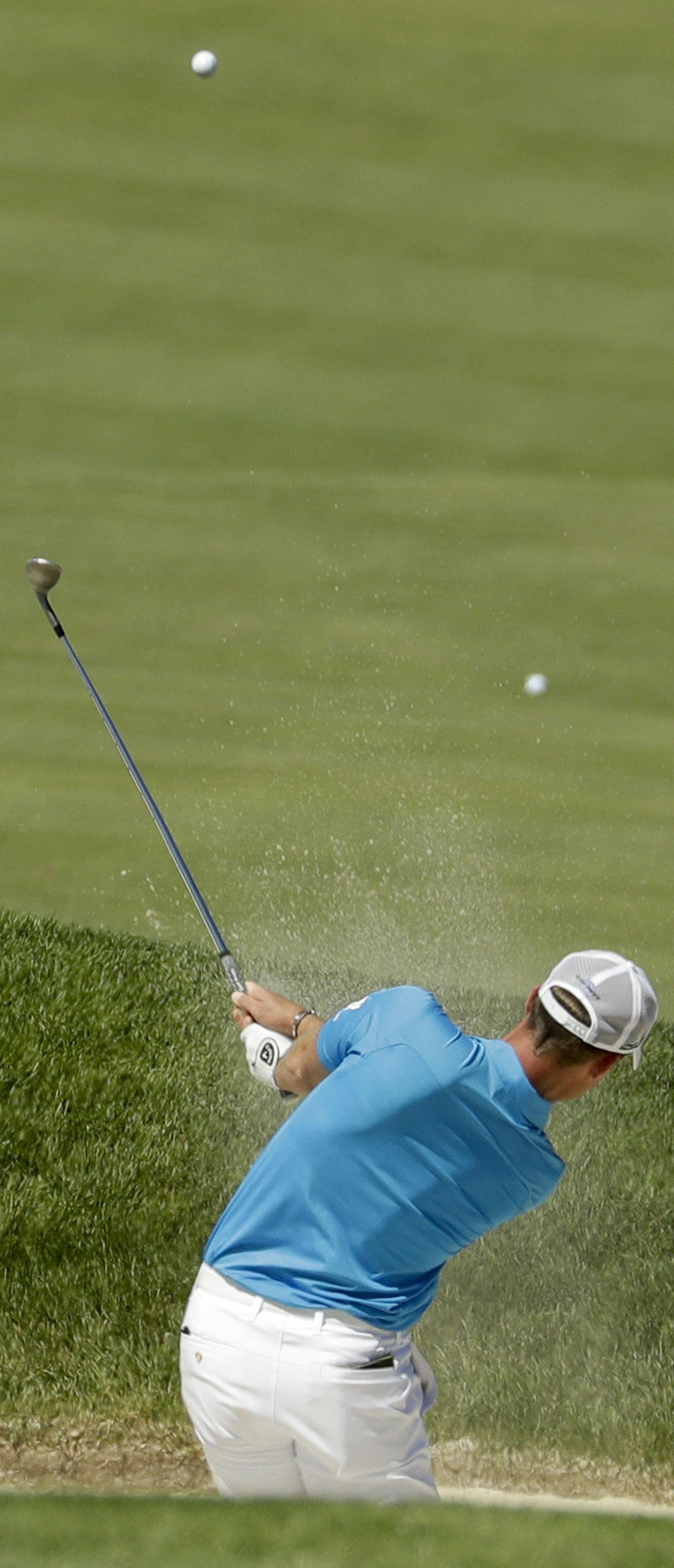
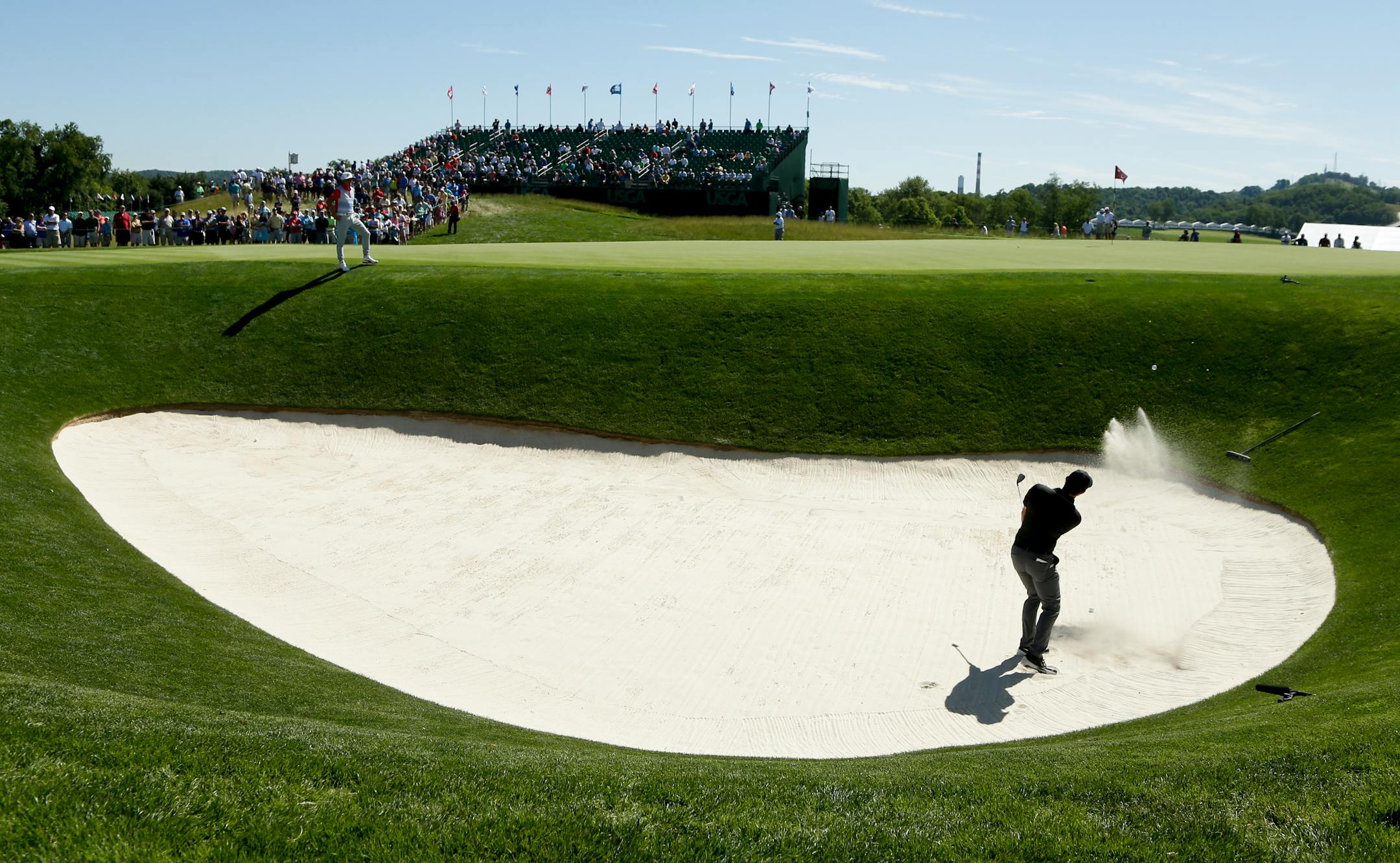
There is a 667-yard par-5, the Church Pew bunkers and unnamed ditches. There are turtleback greens that turtles might slip right off. There is punitive greenside bunkering, and par-5 layouts that make saving par a higher priority than gunning for eagle.
The par-3 8th can play at 300 yards. The last time Oakmont played host to a U.S. Open in 2007, Paul Goydos congratulated the USGA for being able to hold long-drive and hole-in-one contests on the same hole.
This week, Oakmont and the USGA seem intent on protecting par. The question is, why?
Golf sets itself apart from other major sports with its honor code. Too often, it sets itself apart from other major sports with backward thinking.