

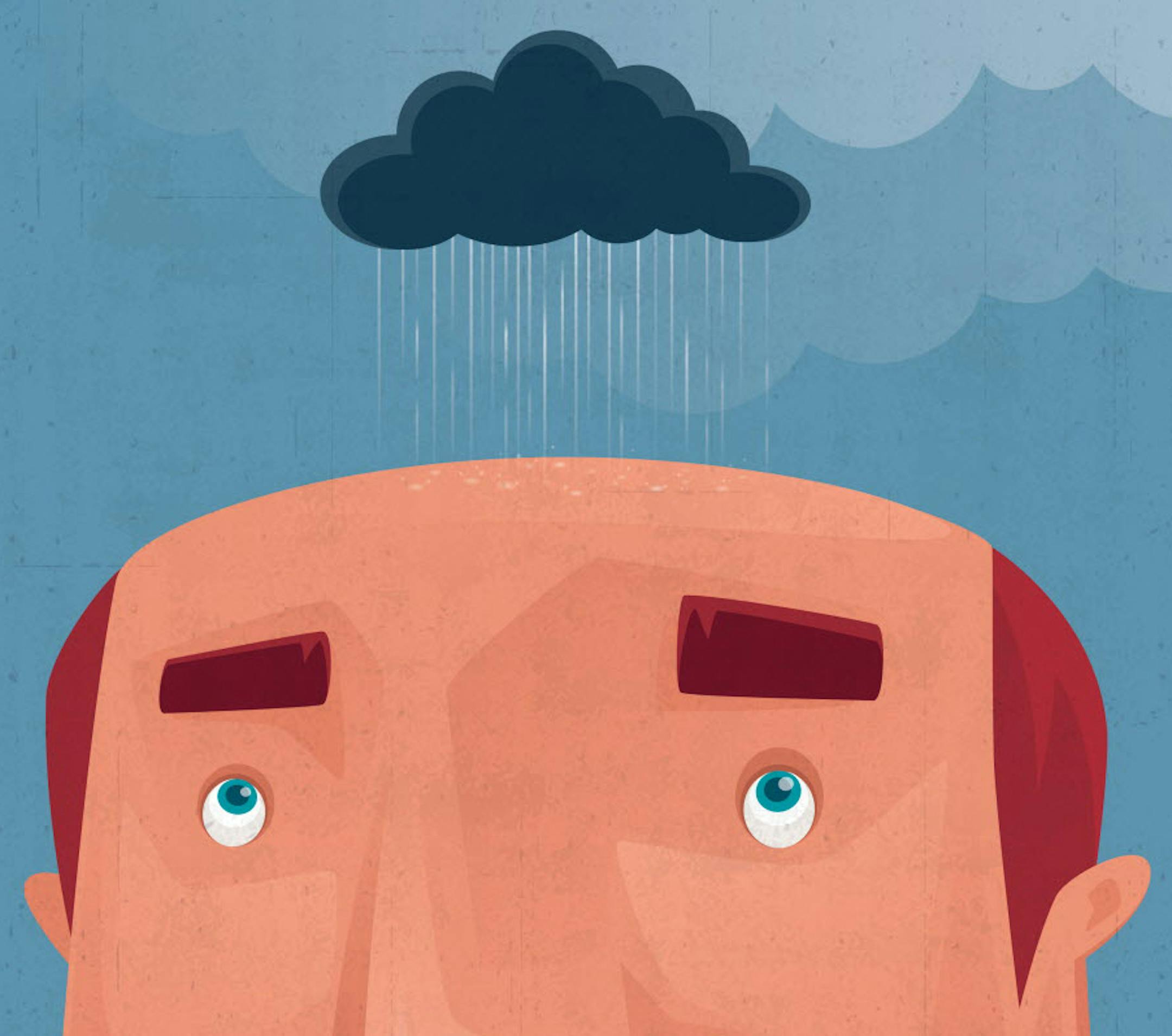
If you're feeling the angst of middle age, take heart. Chances are good that you'll emerge without resorting to a face-lift, pricey red convertible or fling with someone half your age.
Psychologists have known for decades that the midlife crisis is a myth, at least for most of us. But the idea has been difficult to eradicate from popular culture.
Studies going back 40 years have failed to find proof that people in middle age are predisposed to psychological trauma, said Susan Krauss Whitbourne, a psychology professor at the University of Massachusetts Amherst. Yet, the cliché refuses to die.
"As soon as you think you've stomped it out — someone goes and does a TV show," she said.
There's no doubt that the middle years come with unique pressures: Children are striking out on their own, aging parents may need more help, and many in middle age start to assess — or reassess — their careers. In fact, there's a decided dip in happiness and well-being during this time. But most people navigate it and go on to be happier in their later years.
"The middle decades are full of the same-old, same-old: work, marriage, child care," Whitbourne said.
Still, in a recent study in which she examined people's sense of meaning in life, those in the 34- to 59-year range reported strong feelings of well-being and satisfaction. Things got even better after age 60.
"There is nothing universal about a midlife crisis," she said. "It's an oversimplification."


