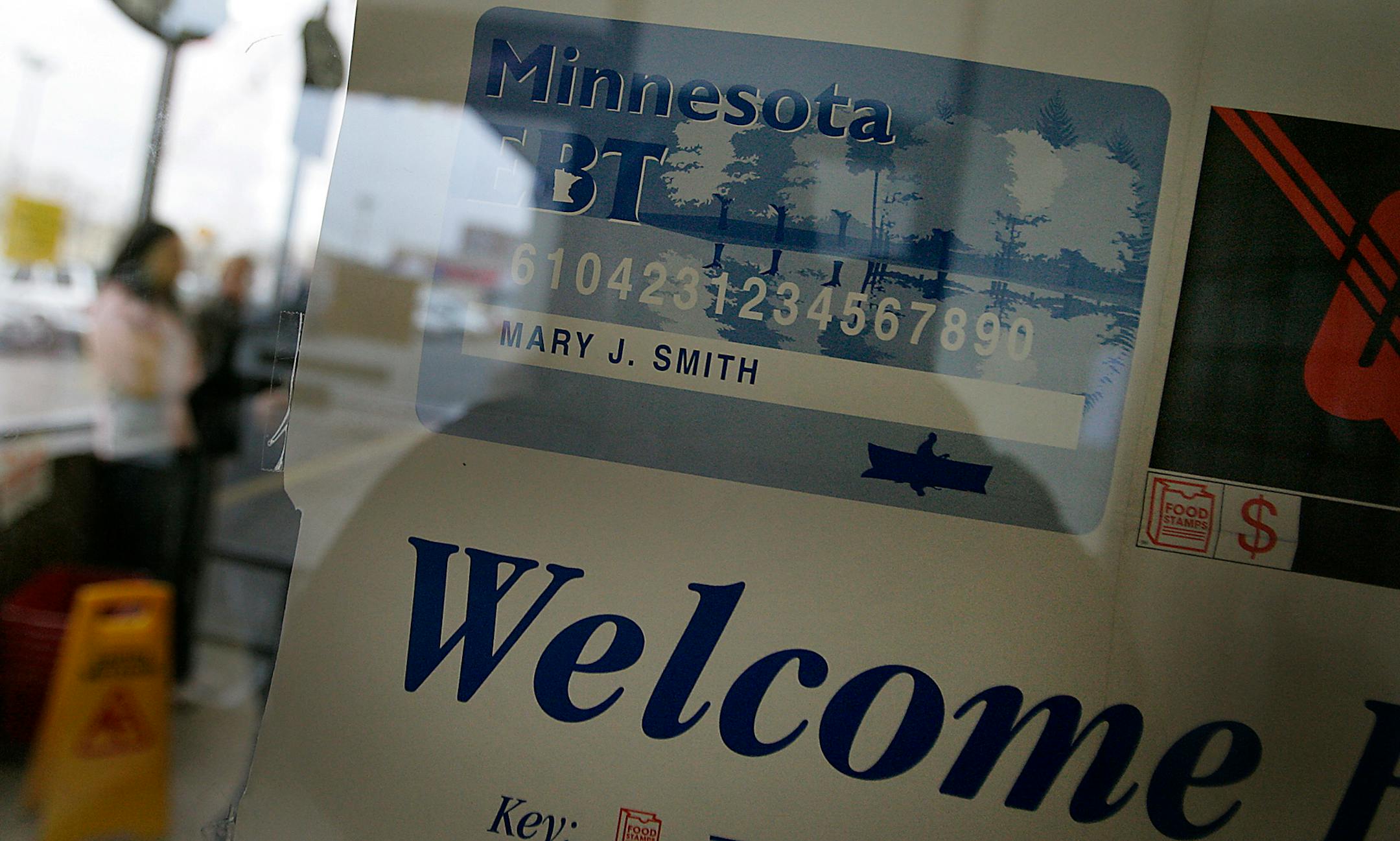
1. "Shamed in Edina for using food stamps," a commentary by Sue Bulger of Minneapolis:
This is an apology to the lady behind me in line at Cub Foods in Edina on a recent Sunday night. This is also a reminder to me and to others who have ever slipped into believing that we are just a little better than others we encounter. We were at the checkout, and just as the cashier started ringing me up, I saw you come to the line with a small order in your basket. My first apology is that I could not let you go ahead of me, but the checkout process had already begun. My second apology was for pulling out my pile of discount coupons for the order, and especially when one required the manager's assistance. I know I was holding you up. And then I swiped my payment method and you lost your patience. It was EBT — "food stamps."
2. "Reading for pleasure is in painful decline," a commentary by Stephen L. Carter, a professor of law at Yale University who originally wrote the piece for Bloomberg:
Every now and then, we tend to go into a tizzy about the decline of reading among young people. I do, too. But I wonder whether we might be tizzying for the wrong reasons. The tendency nowadays is to sound the alarm by pointing to the pretty well-established correlation between reading for fun and academic achievement. Reason for concern, yes — but more basic principles are at stake.
3. "Twin Cities suburbs should beware of the Met Council," a column by Katherine Kersten:
The Twin Cities of 2040 will likely be starkly different from the place you live now. People will increasingly live in dense, urban concentrations, even if they'd prefer a house with a yard outside the 494 beltway. What will be the engine of this transformation? An out-of-the-limelight agency we generally think of as running the buses and occasionally approving a new runway at the airport: the Metropolitan Council.
4. "University of Minnesota's bloat must end," a commentary by former Minnesota Gov. Arne H. Carlson:
America's global economic strength has long been driven by the quality and accessibility of its higher education. This has been particularly true since passage of the GI bill at the close of World War II. The new access it delivered defined another opportunity to live the American Dream. Now that opportunity is in jeopardy. Over the past several months, troubling stories have been published concerning the University of Minnesota's administrative bloat and excessive compensation costs.