

Opinion editor's note: Star Tribune Opinion publishes a mix of national and local commentaries online and in print each day. To contribute, click here.
•••
On Nov. 24, 1876, the U.S. Army Corps of Engineers saved St. Anthony Falls. On that day, they finished a cutoff wall, or dam, under the Mississippi River and below the thick but fractured limestone riverbed. The cutoff wall runs three stories deep and spans the river. It is an essential piece of Twin Cities infrastructure that no one can see and few know exists.
It has been 146 years since the Corps completed that wall, and we have no idea of its condition, or that of the surrounding geology. That's because no one accepts ownership, meaning no inspections, no maintenance and no emergency action plan.
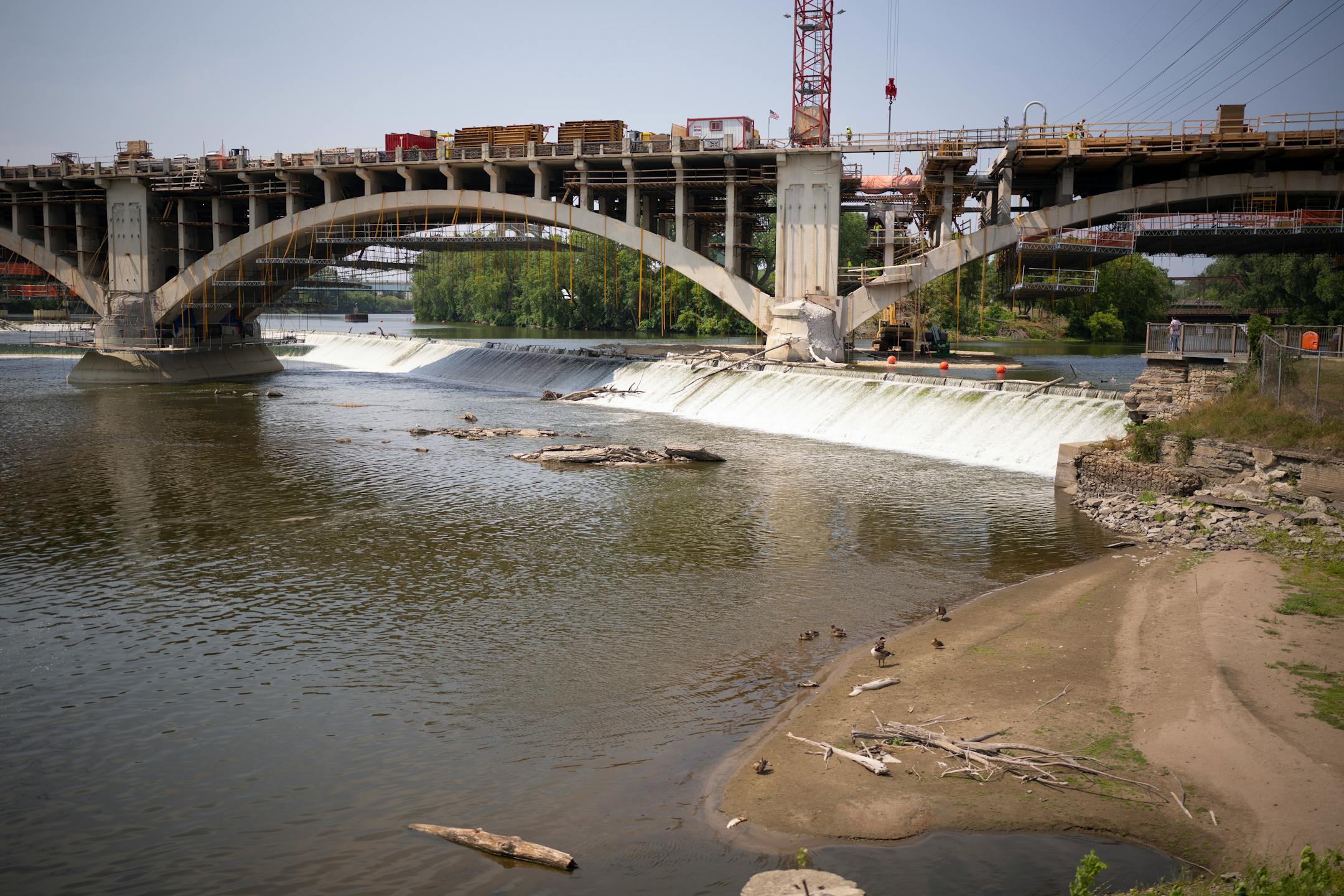
If the wall failed and we couldn't get control, the river would begin cutting down its bed to level out the nearly 50-foot difference from above the falls to below it. Anything resting on the limestone — including the 3rd Avenue Bridge and the horseshoe dam — could collapse as the river ate away the soft sandstone foundation.
If the reservoir above the horseshoe dam drained, Minneapolis, the suburbs it supplies and the International Airport could lose their water. Minneapolis only has a three-day reserve.
The river would become a rapids for miles upstream, threatening more infrastructure. Billions in riverfront development depend on the St. Anthony Falls.
The Corps constructed the wall in response to a series of catastrophic events that occurred between 1867 and 1875, some natural and some caused by timber and flour millers. By 1874, the Corps recognized that only a cutoff wall could preserve the falls.


