Drive through any American suburb and odds are you'll spot a modern farmhouse in its natural habitat. The style is hard to miss: white board and batten vertical siding, large black frame windows and gables. A covered porch, with a swing or maybe Adirondack chairs. A tin roof. And, of course, house numbers in sans serif font.
Love it or hate it, the modern farmhouse is the millennial answer to the baby boomer McMansion.
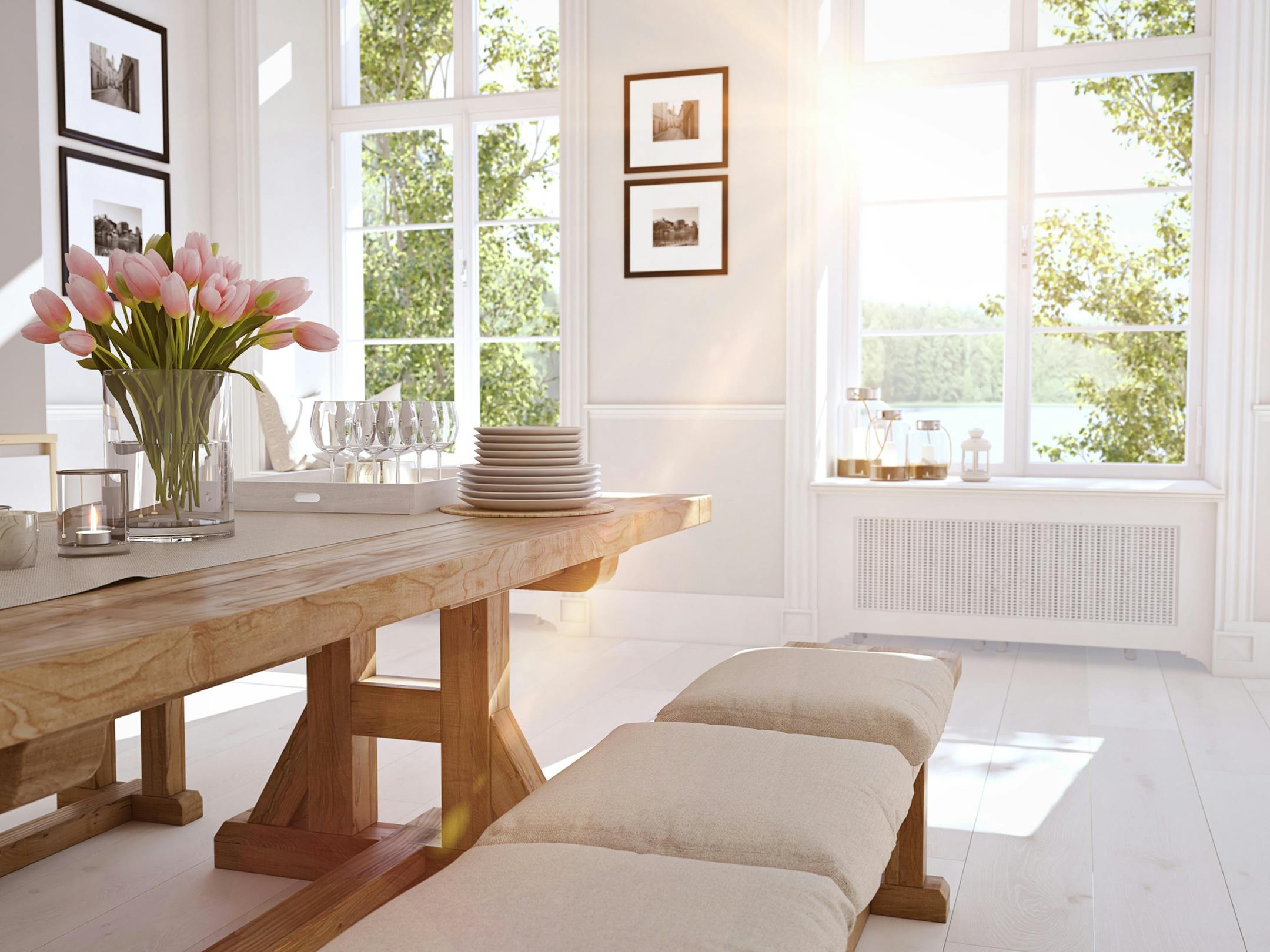
This post-agrarian look is the defining style of the current era — dominating renovations, new construction and subdivisions in communities with no connection to farming, with interiors that have open concept floor plans, wide plank wood floors, plenty of shiplap, and kitchens with apron sinks and floating shelves made of reclaimed wood. Even multifamily homes are getting the modern farmhouse treatment, falling into the barndominium category, as they embrace vertical siding, gables and tin roofs, giving a folksy nod to apartment complexes.
In May, the wallpaper designer Hovia declared the modern farmhouse the most popular interior design style in the country, a sentiment echoed by architects, designers and homebuilders who say they regularly field requests from clients eager for a clean look with a neutral palette that manages to feel both traditional and contemporary.
"When it comes down to it, those are very classic materials," said Leanne Ford, an interior designer who has hosted two HGTV shows with her brother and is known for her affinity for white on white. "The porch, the board and batten, the swing, those are all beautiful things that have stood the test of time and are still stunning. Those are going to live a long and happy life and still be beautiful in five or 10 or 20 years."
Toss all those elements together and you have an aesthetic that is seemingly everywhere, as homes of all stripes — a split-level ranch, a four square, a craftsman bungalow — routinely get the modern farmhouse treatment.
In 2020, when Lauren and Jeffrey Sachs decided it was time to leave Manhattan for the suburbs, they landed on a 4,500-square-foot modern farmhouse on a leafy street of colonial revivals in Verona, New Jersey. In its previous life, the house had been a modest, two-bedroom cape with cedar shingles and black shutters. But the previous owners had torn the house down, leaving only a single wall, and reinvented it as an archetype of modern farmhouse design.
"I knew exactly what I wanted," said Sonia Sun, 48, the previous owner who steered the two-year renovation, plucking ideas from Google searches and design magazines. "I wanted something that would mesh with the neighborhood."