An alluring image of green streaks in a dark sky above Lake Superior glowed across digital billboards in Chicago, Kansas City and Denver this summer. "HAPPENING TONIGHT: NORTHERN LIGHTS," the message read, crowned with an Explore Minnesota logo.
Northern Minnesota has long been known for its beautiful forests and pristine lakes. Now, marketers and preservationists are promoting an easy-to-spot but less-celebrated gem: its dark skies.
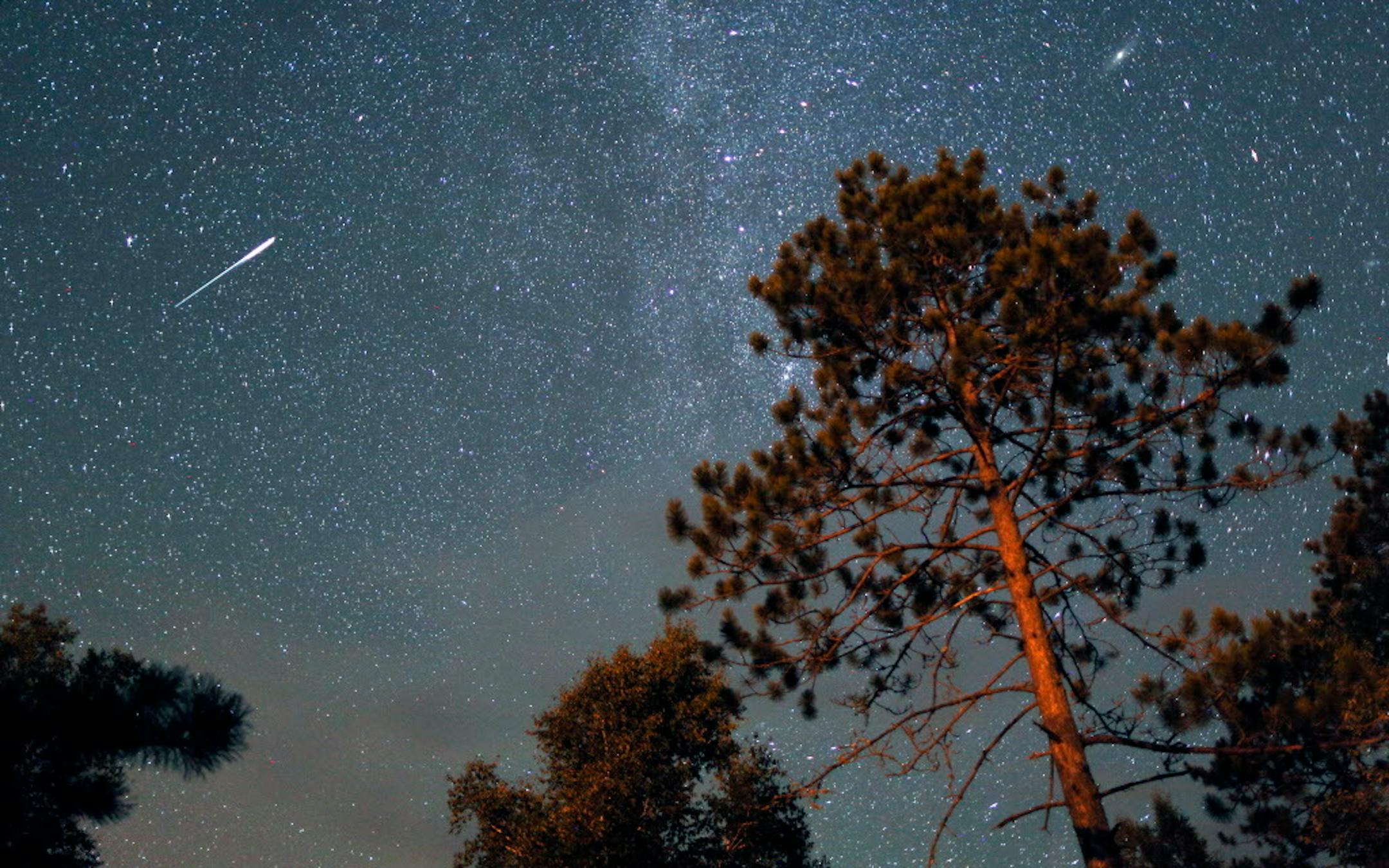
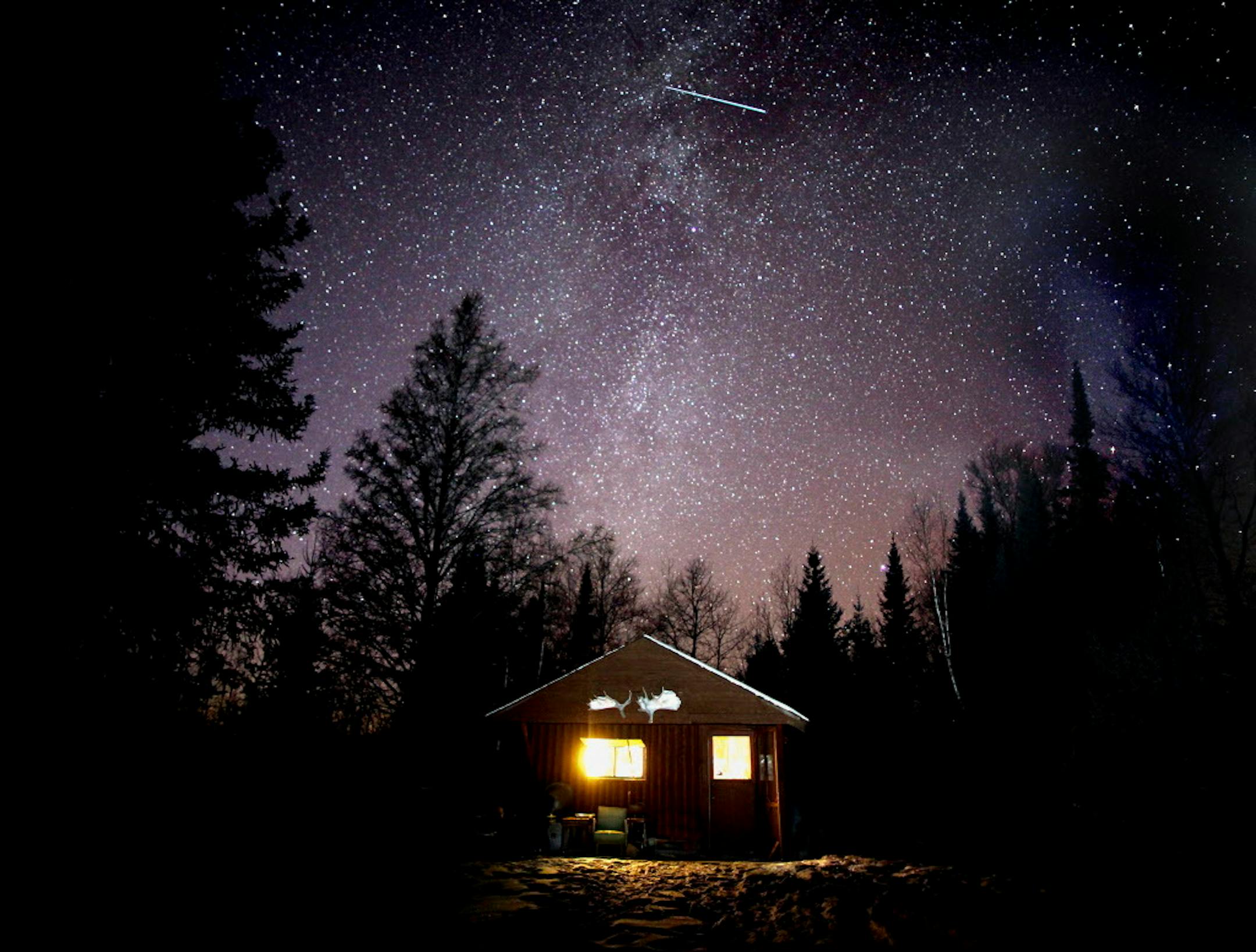
In an age when an estimated 80 percent of people in North America cannot see the Milky Way, obscured by artificial light, dark night skies are taking on new cultural significance. Leaders and advocates in northern Minnesota are seeing the dark not only as a potential boost to tourism, but to human and animal health as well. The digital billboards are just part of a growing movement to promote the state's dark nights as well as preserve them by calling on governments, businesses and residents to curb light pollution.
In Cook County, tourism officials last year started marketing "Dark Sky Season," promoting the Northern Lights and stargazing during the month of December.
This week in Duluth, Starry Skies Lake Superior, the local chapter of the International Dark Sky Association, is hosting its first "Celebrate the Night Sky Week," with photography exhibits, readings and a seminar including the effects of light pollution. It follows an appeal to community leaders over the summer to designate areas as "night-sky friendly."
"As people realize … this is an amazing resource, this is going to continue to grow," said Randy Larson, coordinator of the event. "There's huge opportunity for every community around us. … It's just a matter of turning the lights down and turning them in a way that isn't disruptive."
Promoters partly credit social media for increasing the appreciation of dark skies, and science for providing a better ability to predict the chances of seeing the Northern Lights.
Timing is everything
"In a global sense, it's getting pretty good," said Bob Lysak, a physics professor at the University of Minnesota.