

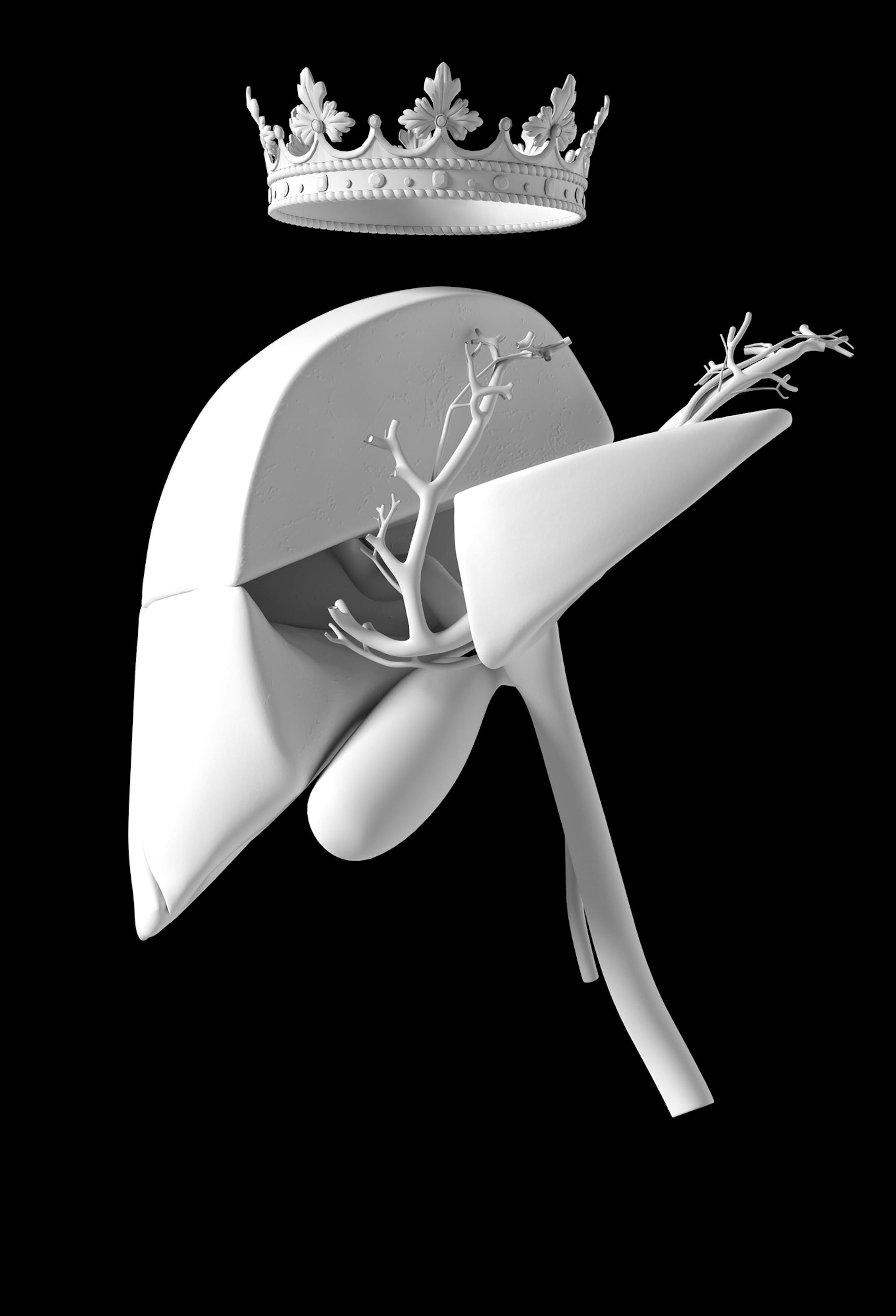
To the Mesopotamians, the liver was the body's premier organ, the seat of the human soul and emotions. The ancient Greeks linked the liver to pleasure: The words hepatic and hedonic are thought to share the same root.
The Elizabethans referred to their monarch not as the head of state but as its liver, and woe to any people saddled with a lily-livered leader, whose bloodless cowardice would surely prove their undoing.
Yet even the most ardent liverati of history may have underestimated the scope and complexity of the organ.
A healthy liver is the one organ in the adult body that, if chopped down to a fraction of its initial size, will rapidly regenerate and perform as if brand-new. Which is a lucky thing, for the liver's to-do list is second only to that of the brain and numbers well over 300 items, including systematically reworking the food we eat into usable building blocks for our cells; neutralizing the many potentially harmful substances that we incidentally or deliberately ingest; generating a vast pharmacopeia of hormones, enzymes, clotting factors and immune molecules and controlling blood chemistry.
"We have mechanical ventilators to breathe for you if your lungs fail, dialysis machines if your kidneys fail, and the heart is mostly just a pump, so we have an artificial heart," said Dr. Anna Lok, president of the American Association for the Study of Liver Diseases and director of clinical hepatology at the University of Michigan.
"But if your liver fails, there's no machine to replace all its different functions, and the best you can hope for is a transplant."
The liver is our largest internal organ, weighing 3½ pounds and measuring 6 inches long. The organ is always flush with blood, holding about 13 percent of the body's supply at any given time.
And while scientists admit it hardly seems possible, the closer they look, the longer the liver's inventory of talents and tasks becomes.


