

Opinion editor's note: Star Tribune Opinion publishes a mix of national and local commentaries online and in print each day. To contribute, click here.
•••
I want to take a stab at discussing an important consideration for the qualifications we accept in our leaders.
With the emergence of the Tea Party, many voters embraced a preference for what the media has called "outsiders," or people who have had little to no prior experience or formal education to prepare them for service in our governance. From the outset, I've viewed this as a blatant representation of the lack of awareness and understanding many voters have about our governance — how it works, what the consequences are for mismanagement, and its impacts across the various settings of its influence (domestically, locally, globally, strategically, legally, economically, etc.).
Too often voters, either guided by media or other influences in their lives, hone in on a single or a limited setting where they have a higher awareness of government's impacts, such as the economy. By limiting themselves to that awareness of limited processes and impacts of governance, they assume a sort of personal expertise about that topic that now is fed and nurtured by pretty much all social media via the algorithms used to keep us engaged and generate profits for corporations. Rather than the more holistic and systemic understanding of governance that we're supposed to get via our education systems, voters who "specialize" in this way lose any sense of our governance's integration of the interests of individuals with those of the community writ large.
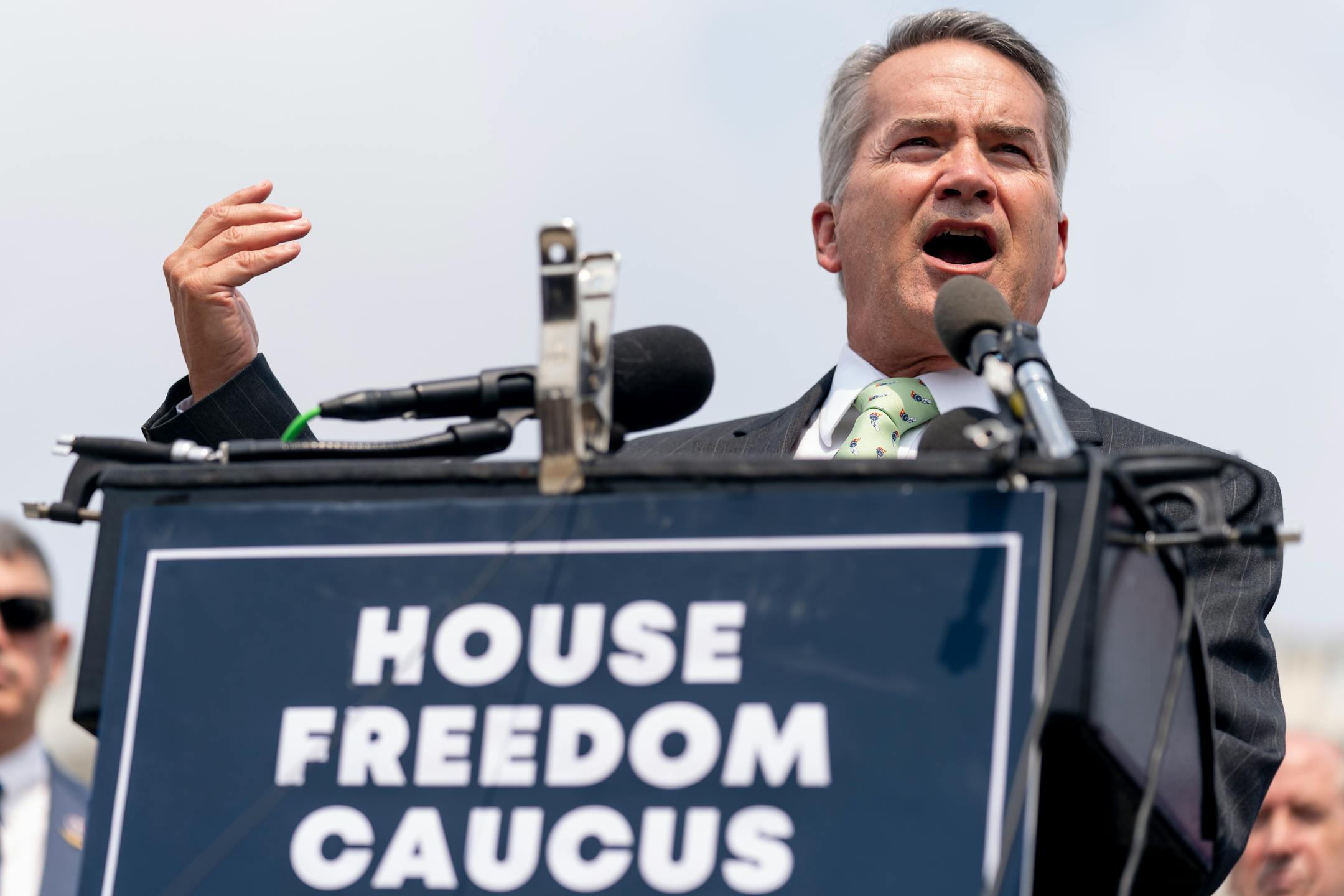
I say all this as I point to the Freedom Caucus of the U.S. House, whose members not only carry the Tea Party banner but who also disproportionately represent those with sole or primarily business administration education. Notably, Mark Meadows — President Donald Trump's fourth chief of staff and main advocate in Congress — earned an associate degree in business administration and worked in real-estate development like Trump.
How does an education in business administration relate to preparation for leadership in our governance? While these elected members are educated in systems that exist for profit, our governance has an entirely different mission and imperative. How do people whose understanding of systems of profit understand our systems of governance, the Constitution and what exactly the oath they take to uphold it entails?
In light of the past decade of our governance (or lack thereof), I believe this is an important question for voters to consider. Could the fractured nature of our governance, our politics and our national social climate be a reflection of the lack of wider understanding of our governance and civics? Many voters have definitely tuned in to this knowledge gap and have taken notice of what happens when portions of the electorate transfer their allegiance from the Constitution and democracy to an individual who stokes their grievances and elevates their presumed "expertise" through flattery and counterfeit empathy.


