Fifty years ago next month, in the early afternoon of Nov. 22, 1963, my seventh-grade class was calculating sums in base-two, or binary code, a facet of the "new math."
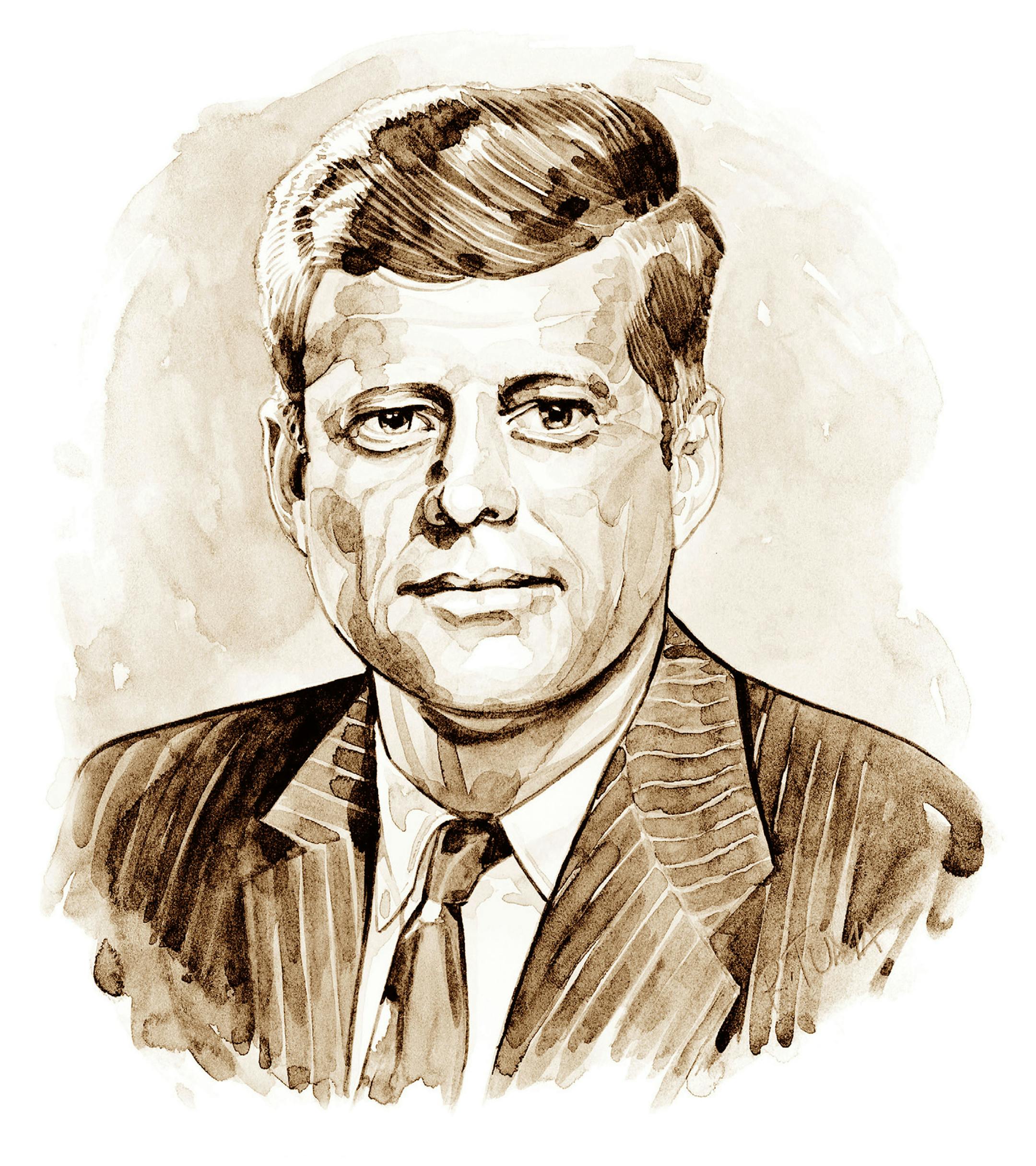
We were assured that such manipulation of ones and zeros was how computers worked, and while that didn't quite tally yet for most of us, we were aware the "new math" could be traced to one of the most stunning events of our lives to that point — the Russian Sputnik beeping around the planet in October 1957. An alarmed President Dwight Eisenhower issued a call for more scientists and engineers, and in my mind binary code and the Soviet Union are linked — along with President John F. Kennedy's rallying cry to Congress in May 1961: "I believe this nation should commit itself to achieving the goal, before this decade is out, of landing a man on the moon and returning him safely to the Earth."
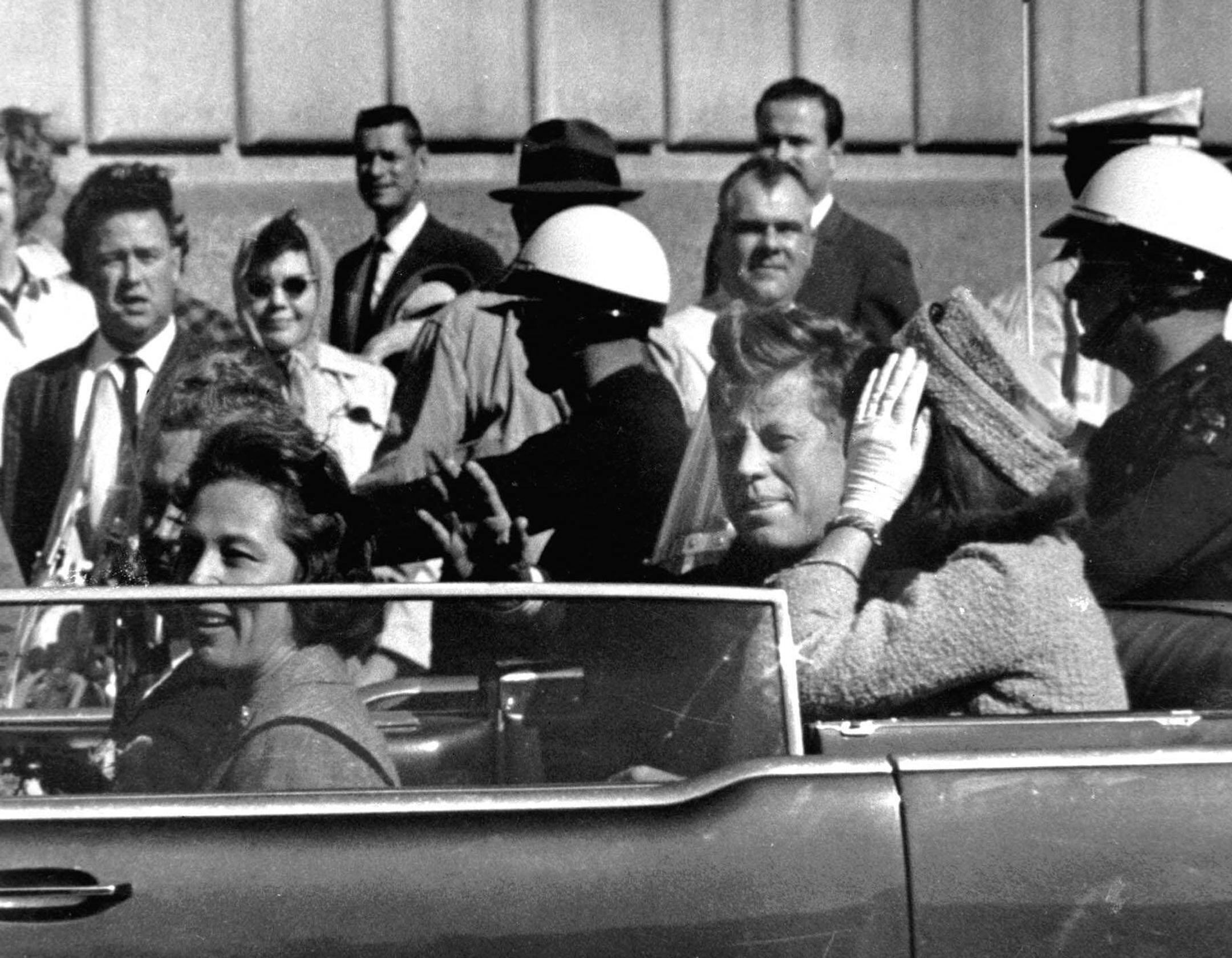
During our avant-garde arithmetic lesson, the announcement arrived: President Kennedy had been shot in Dallas. I don't recall if we were informed he was dead, but we were dismissed from school. Some classrooms spontaneously cheered, scandalizing teachers. It was conceded the kids were merely gladdened by release from class, not by the fate of JFK, but I suppose it wounded our teachers either way.
I walked a mile across town to home and found my mother weeping in front of the television set. She was Roman Catholic; Kennedy's portrait hung in our house. Her enthusiasm had inspired me and some pals to fashion our own pro-JFK fliers during the 1960 election campaign, inserting them under the windshield wipers of neighborhood cars — as if Kennedy needed any help in a northeastern Minnesota mining town in those politically blue days.
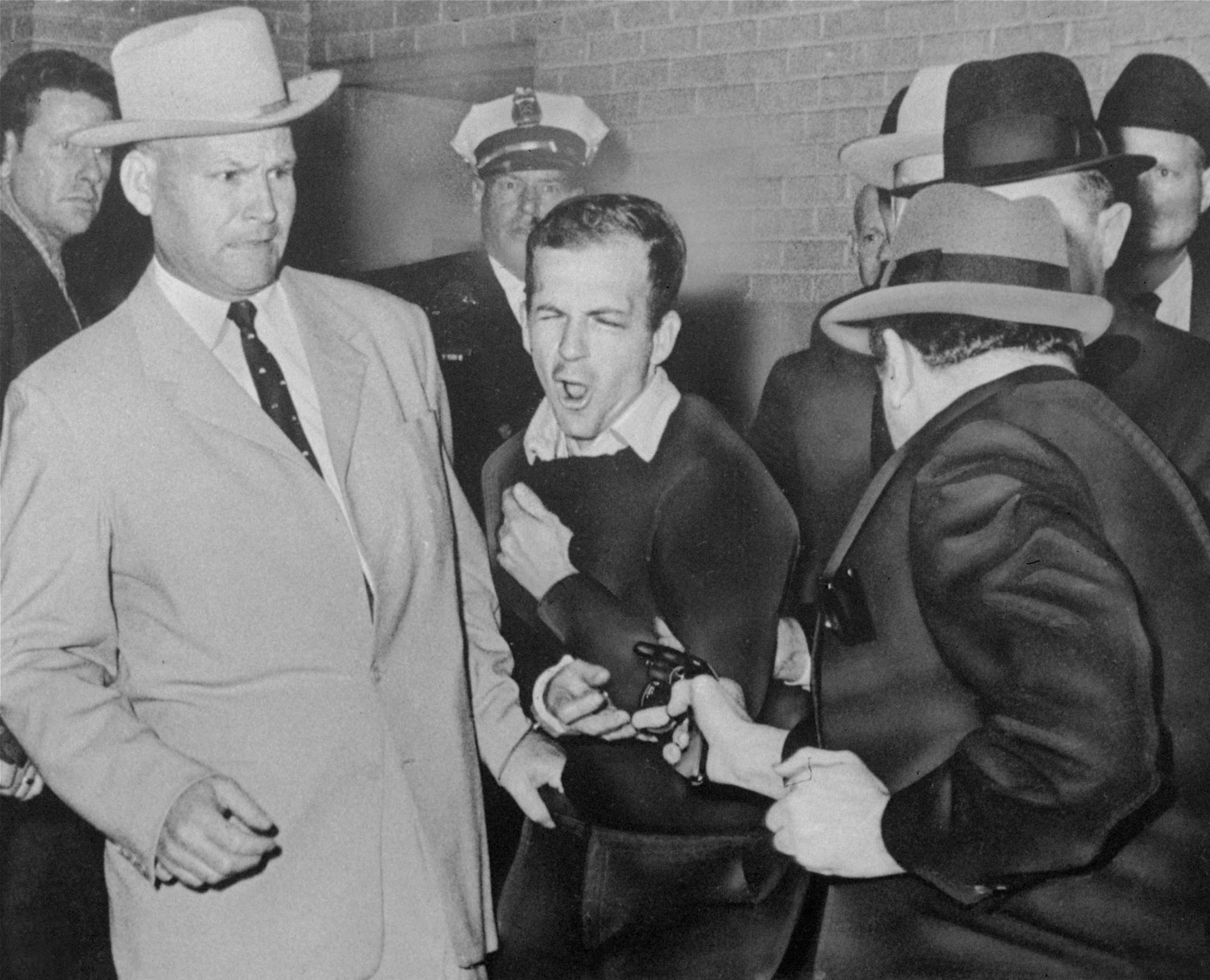
My mother's tears had impact, not least I think because she wept before the television, the magic fantasy box that was still a relative novelty in our house. Less than 48 hours later she and I gasped together as witnesses of Lee Harvey Oswald being shot to death on the screen. I was shocked and strangely thrilled. The 24-hour news cycle was decades in the future, but I believe that inadvertently televised killing was a seed.
Oswald's strong Russian connection was highlighted immediately after the assassination, and many felt the stab of fear we'd known a year before during the Cuban Missile Crisis. Had the Soviets retaliated against Kennedy? We perceived JFK as the unalloyed moral victor of the Cuba showdown, being ignorant of realpolitik deals made with Nikita Khrushchev, and the initial recklessness of the American response. Would Lyndon Johnson have to nuke the USSR?
Mercifully, that moment quickly passed, and our national angst soon transferred to conspiracy theories that ballooned to Hollywood proportions and continue to augment political grist mills and bank accounts to this day. Historically, it does matter who killed Kennedy and why, and in my opinion Oswald likely pulled the trigger, though I'm not certain he acted alone. After all, even JFK's brother Robert, attorney general, asked John A. McCone, director of Central Intelligence: "Did the CIA kill my brother?"
The fact that Oswald was promptly murdered in police custody is certainly suspicious. That suspicion, however, is partly a product of time passed. The day Jack Ruby killed Oswald, my mother and I were accepting of personal grief and longing for revenge as a believable motive — because that's how we felt.