

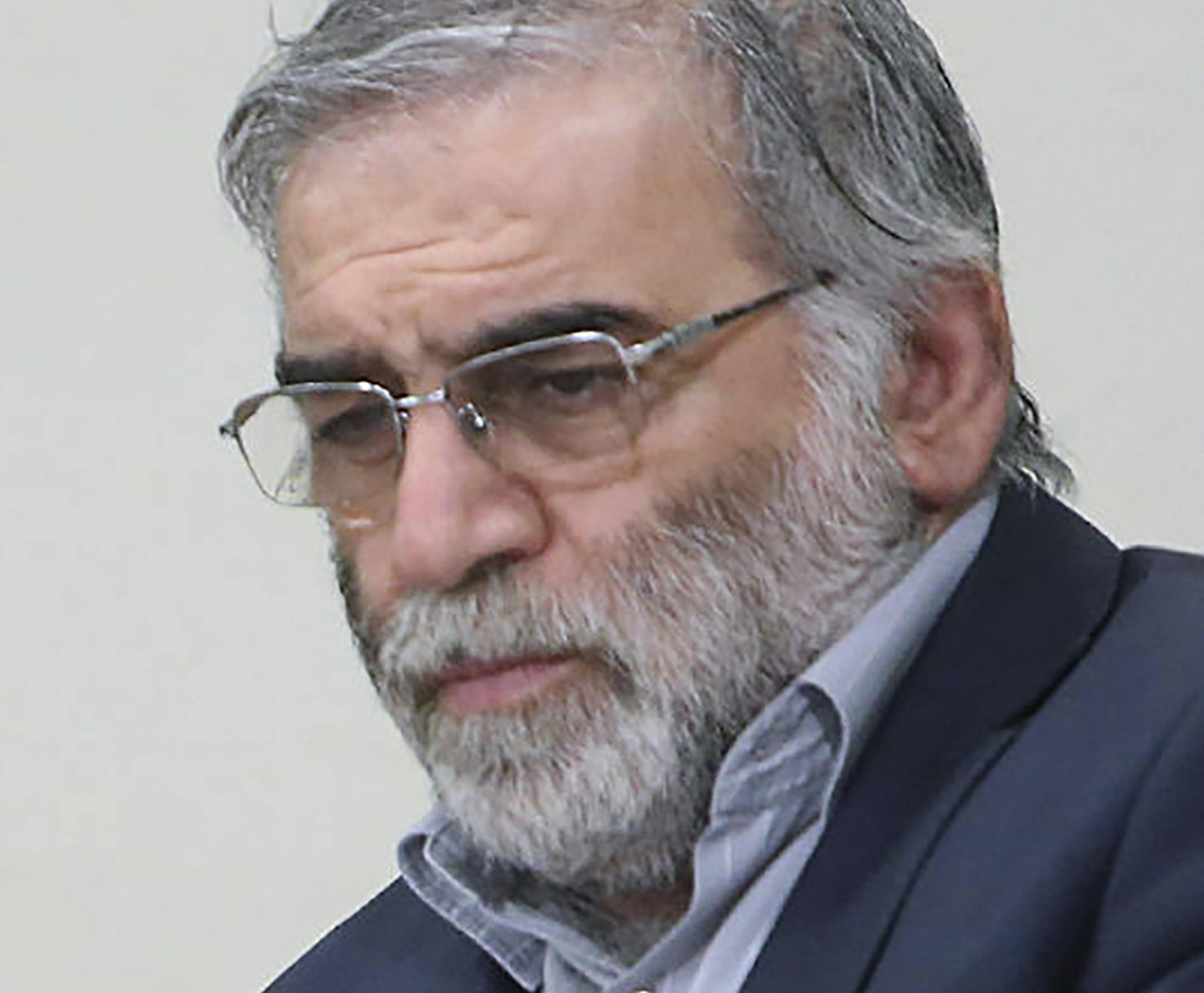
Iran's top nuclear scientist woke up an hour before dawn, as he did most days, to study Islamic philosophy before his day began.
That afternoon, he and his wife would leave their vacation home on the Caspian Sea and drive to their country house in Absard, a bucolic town east of Tehran, where they planned to spend the weekend.
Iran's intelligence service had warned him of a possible assassination plot, but the scientist, Mohsen Fakhrizadeh, had brushed it off.
Convinced that Fakhrizadeh was leading Iran's efforts to build a nuclear bomb, Israel had wanted to kill him for at least 14 years. But there had been so many threats and plots that he no longer paid them much attention.
Despite his prominent position in Iran's military establishment, Fakhrizadeh wanted to live a normal life.
And, disregarding his security team's advice, he often drove his own car to Absard instead of having bodyguards drive him in an armored vehicle. It was a serious breach of security protocol, but he insisted.
So shortly after noon on Friday, Nov. 27, he slipped behind the wheel of his black Nissan Teana sedan, his wife in the passenger seat beside him, and hit the road.
Since 2004, when the Israeli government ordered its foreign intelligence agency, the Mossad, to prevent Iran from obtaining nuclear weapons, the agency had been carrying out a campaign of sabotage and cyberattacks on Iran's nuclear fuel enrichment facilities. It was also methodically picking off the experts thought to be leading Iran's nuclear weapons program.


