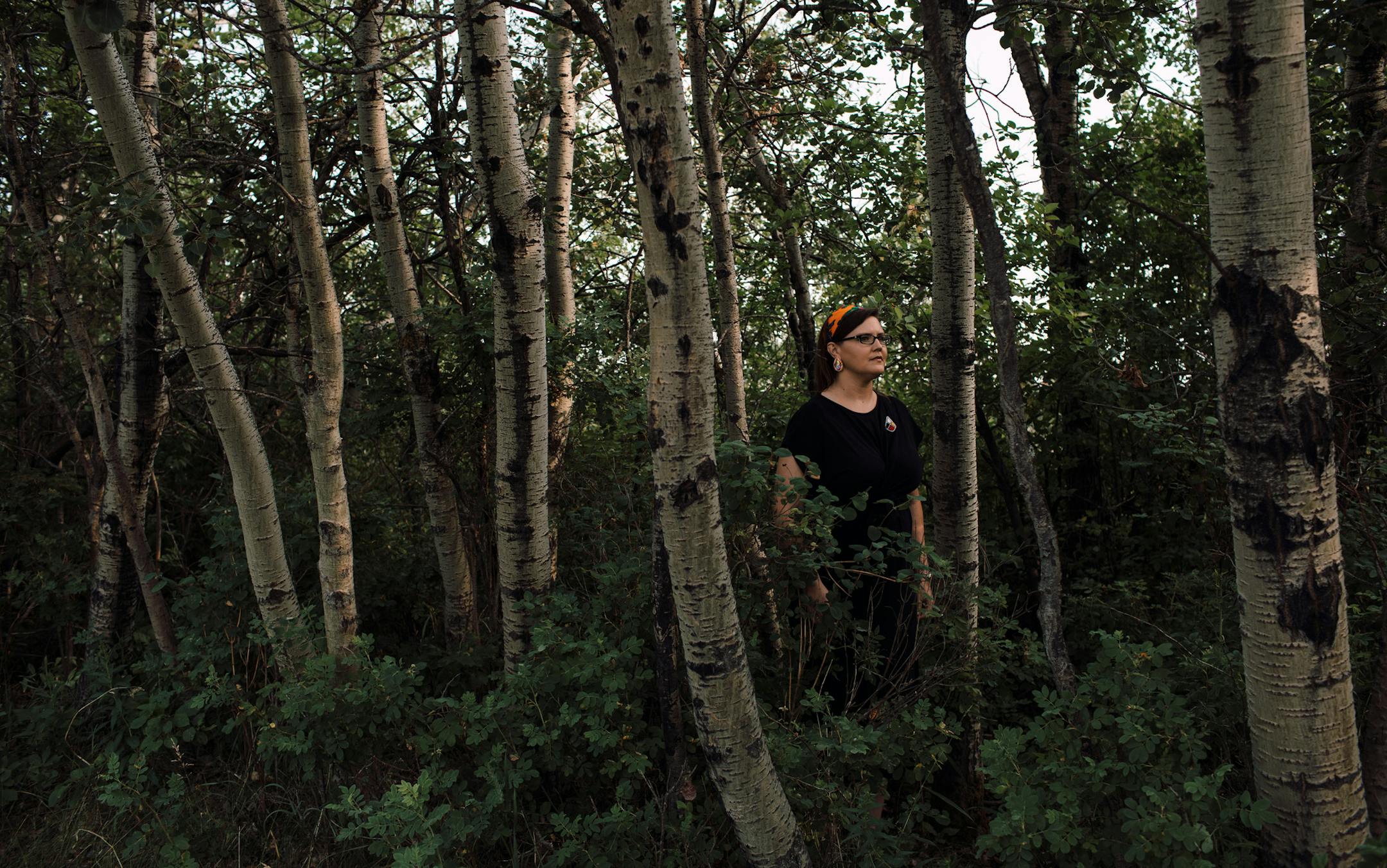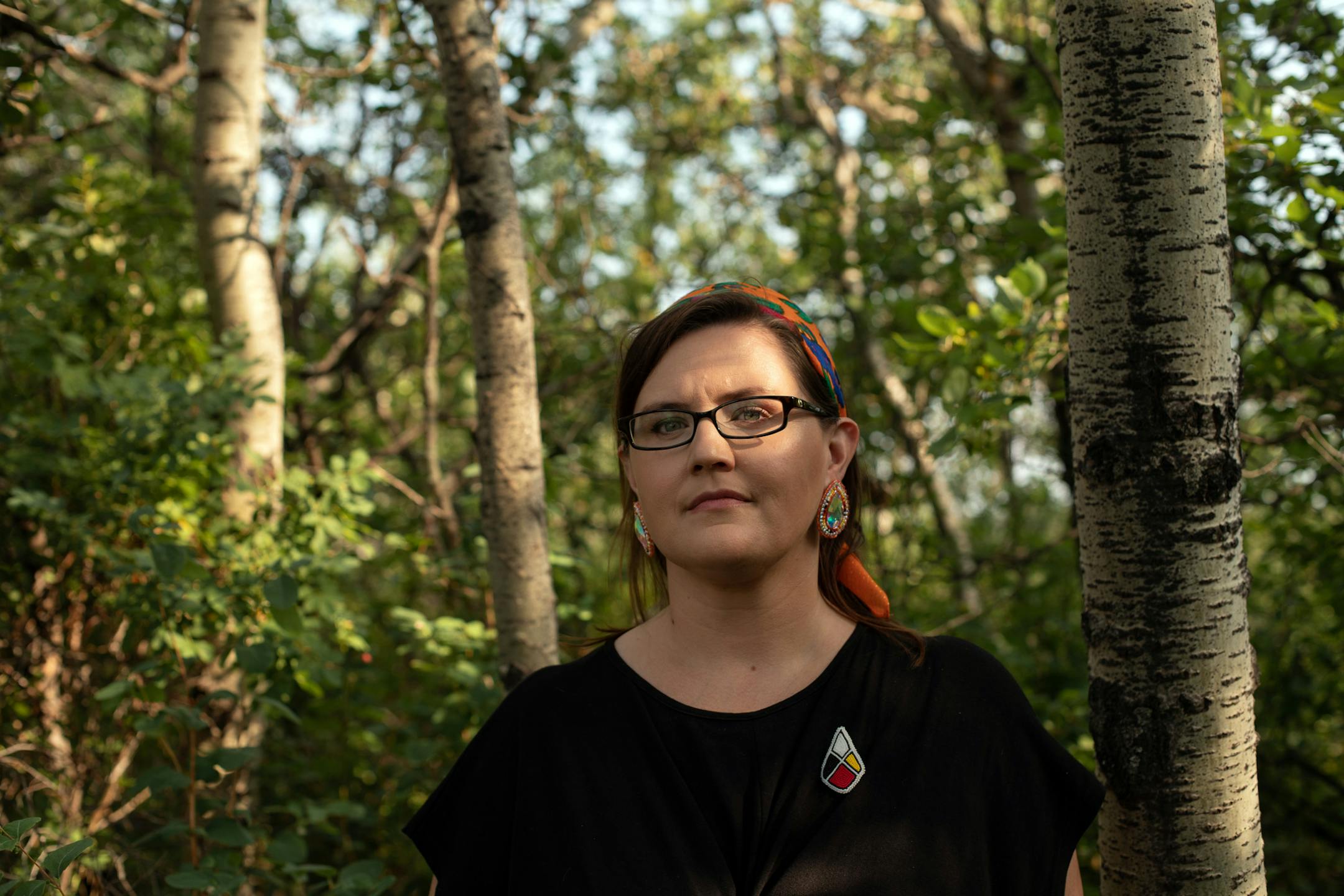
OTTAWA, ONTARIO – At 15, Kisha Supernant knew exactly what she wanted to do with the rest of her life: become an archaeologist and study ancient civilizations.
She achieved her teenage goal. But her latest work has put her at the center of discussions in modern-day Canada — not about the distant past — but about the more recent history of the country's Indigenous populations.
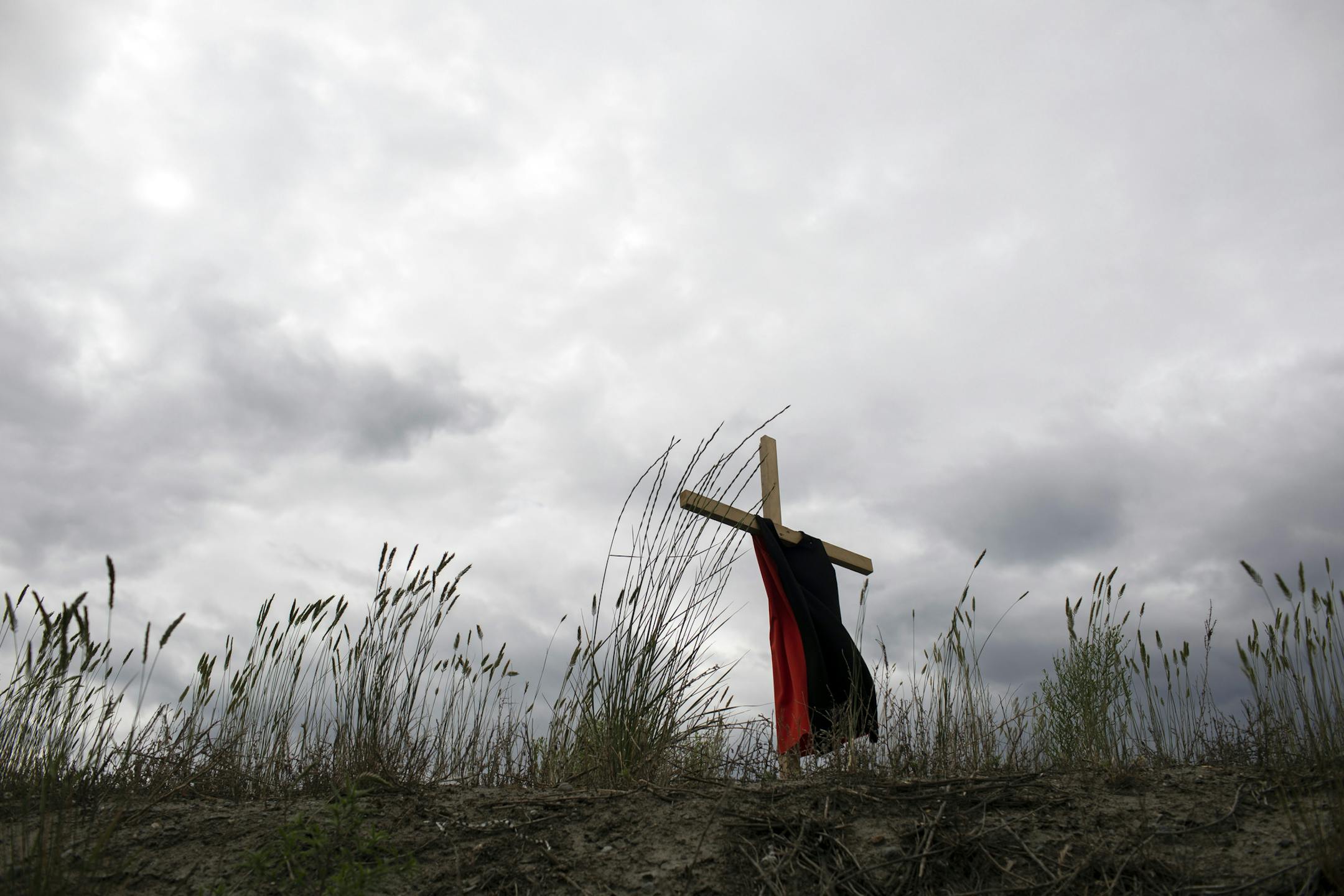
Since the end of May, several Indigenous communities have announced that the use of ground-penetrating radar has identified well over 1,000 human remains, mostly of children, at former sites of the residential schools where thousands of children were forcibly sent by the government to assimilate. Many of those children never returned home.
The discoveries have shocked Canadians and opened a new conversation with Indigenous people about the history of the schools, the last of which closed in 1996. And Supernant — who specializes in the use of technology to map and analyze settlements — is the archaeologist who first worked with Indigenous communities to find the remains.
Supernant is Métis, one of relatively few Indigenous archaeologists in Canada. She has dedicated her career to redefining how the profession interacts with Indigenous people.
"The past few months have been very, very intense," Supernant said from her home in Edmonton, Alberta, where she heads the Institute of Prairie and Indigenous Archaeology at the University of Alberta. "I really feel strongly that this is a calling."
The archaeological field in Canada, as elsewhere, has a history of insensitive practices. In Canada, human remains and artifacts were callously moved to distant museums. Research often provided a veneer for claims of white racial superiority by scientists and politicians. Supernant said it was a transformative change to see Indigenous communities turning to archaeologists to help them find their loved ones.
In the past, "it was folks going in and taking stuff without talking to a single Indigenous person and telling Indigenous stories without involving Indigenous people," she said.