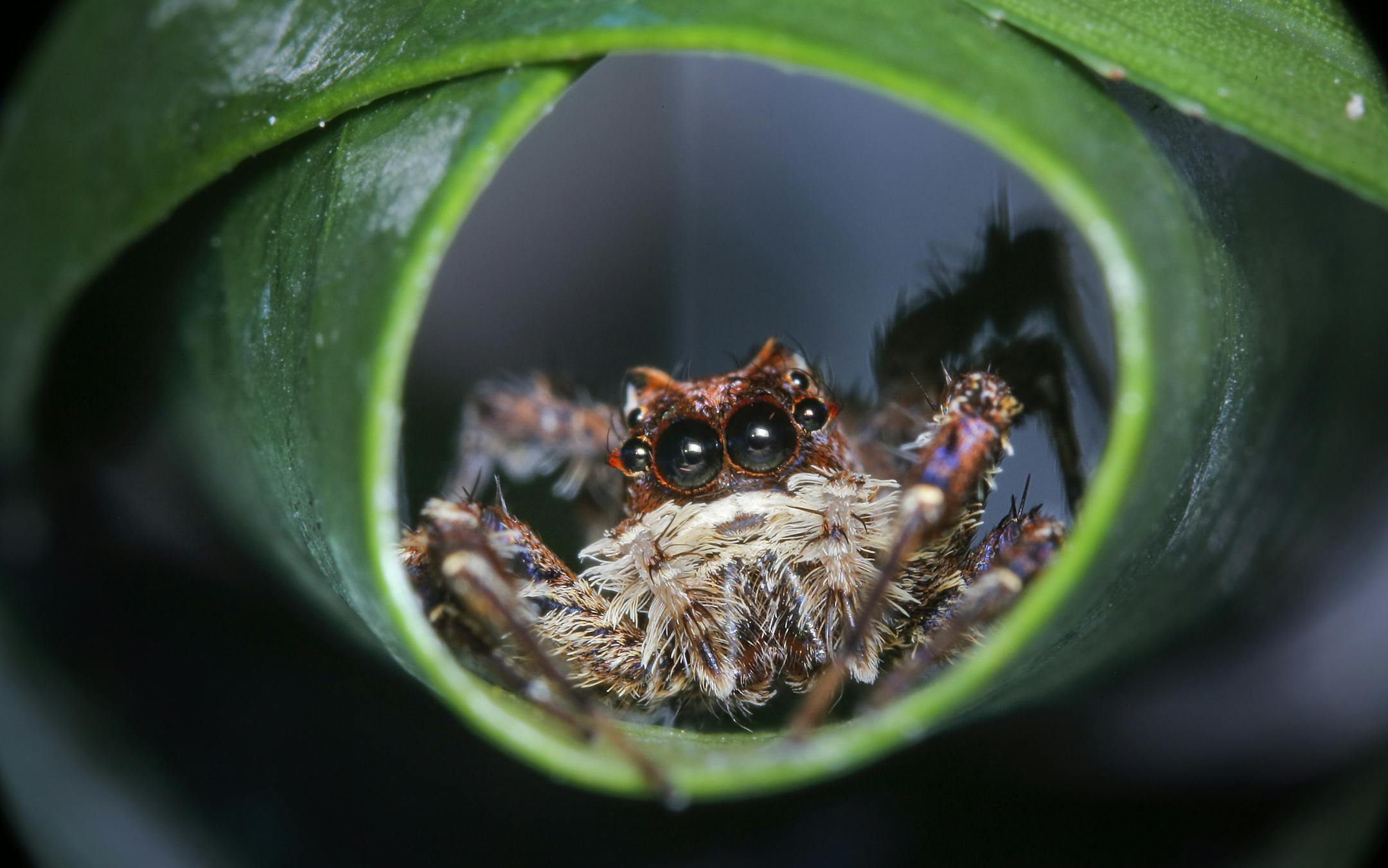
Next time the Avengers have an opening, they should consider Portia, an ingenious warrior who lures her enemies by creating sounds that suggest she's a goner, then leaps on her unsuspecting prey with lightning speed.
The fact that she's a 5-millimeter-long arachnid who feeds on fellow spiders shouldn't disqualify her from membership.
The unsung creature is among the dozens of cunning, colorful and even comical characters that make "The Hunt" the most engaging, visually stunning nature documentary series ever created for television.
It's also downright heartwarming, an incredible accomplishment for an eight-part series that, at its core, is about predators devouring those lower in the pecking order. But unlike cable's countless examples of nature porn — "Shark Feeding Frenzy," "Built for the Kill," "Animal Fight Club" — this one is as family friendly as a rendition of "Circle of Life," with most of the violence being left to the viewer's imagination.
"It's very deliberately not called 'Predators' or 'The Kill' because we're not interested in that," said executive producer Alastair Fothergill, whose credits include "Planet Earth" and "Frozen Planet." "What really gives us the narrative of the series is how predators use strategy to catch their prey and how the prey try to escape. Once the animal has been caught, the story is over."
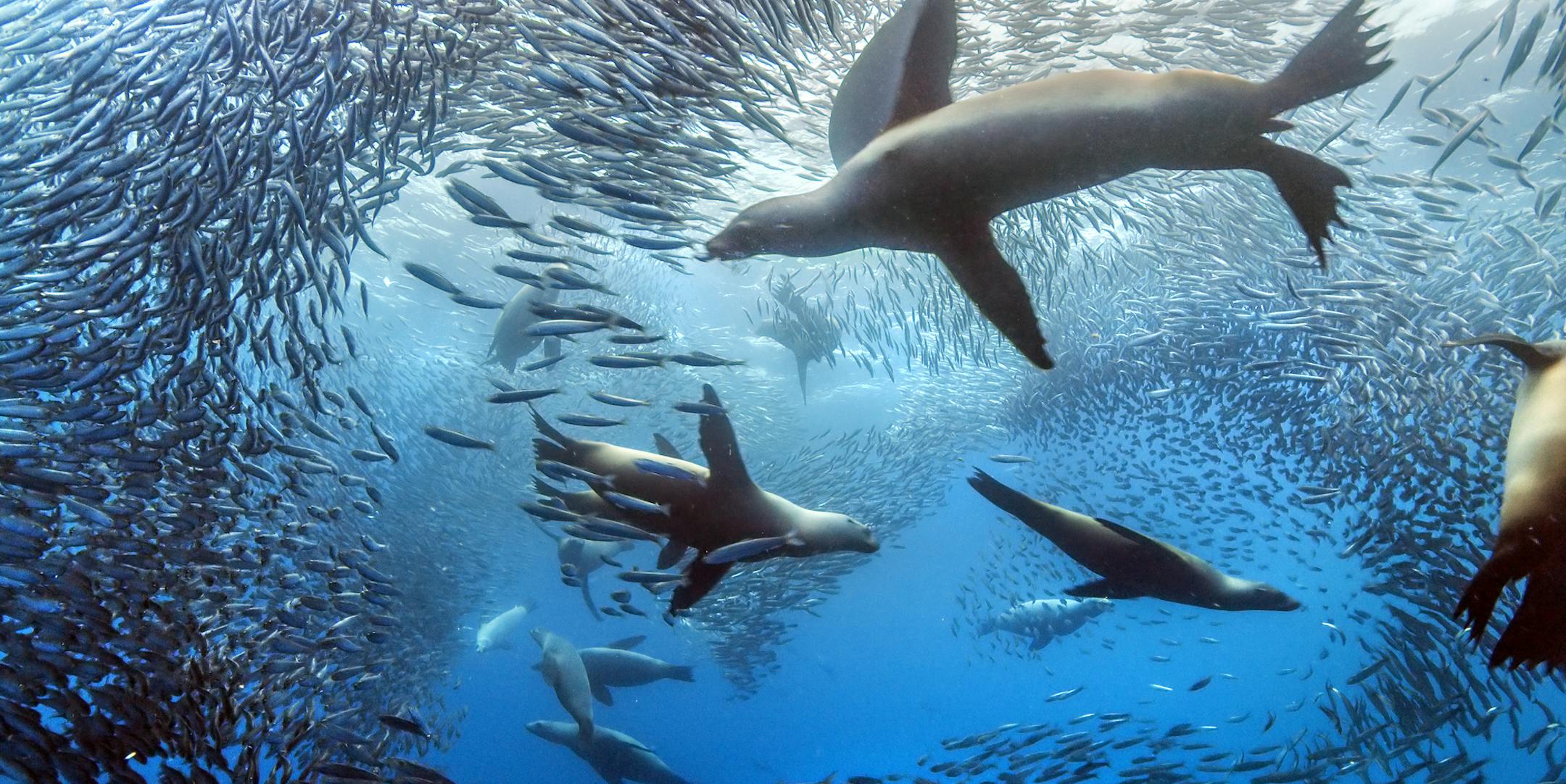
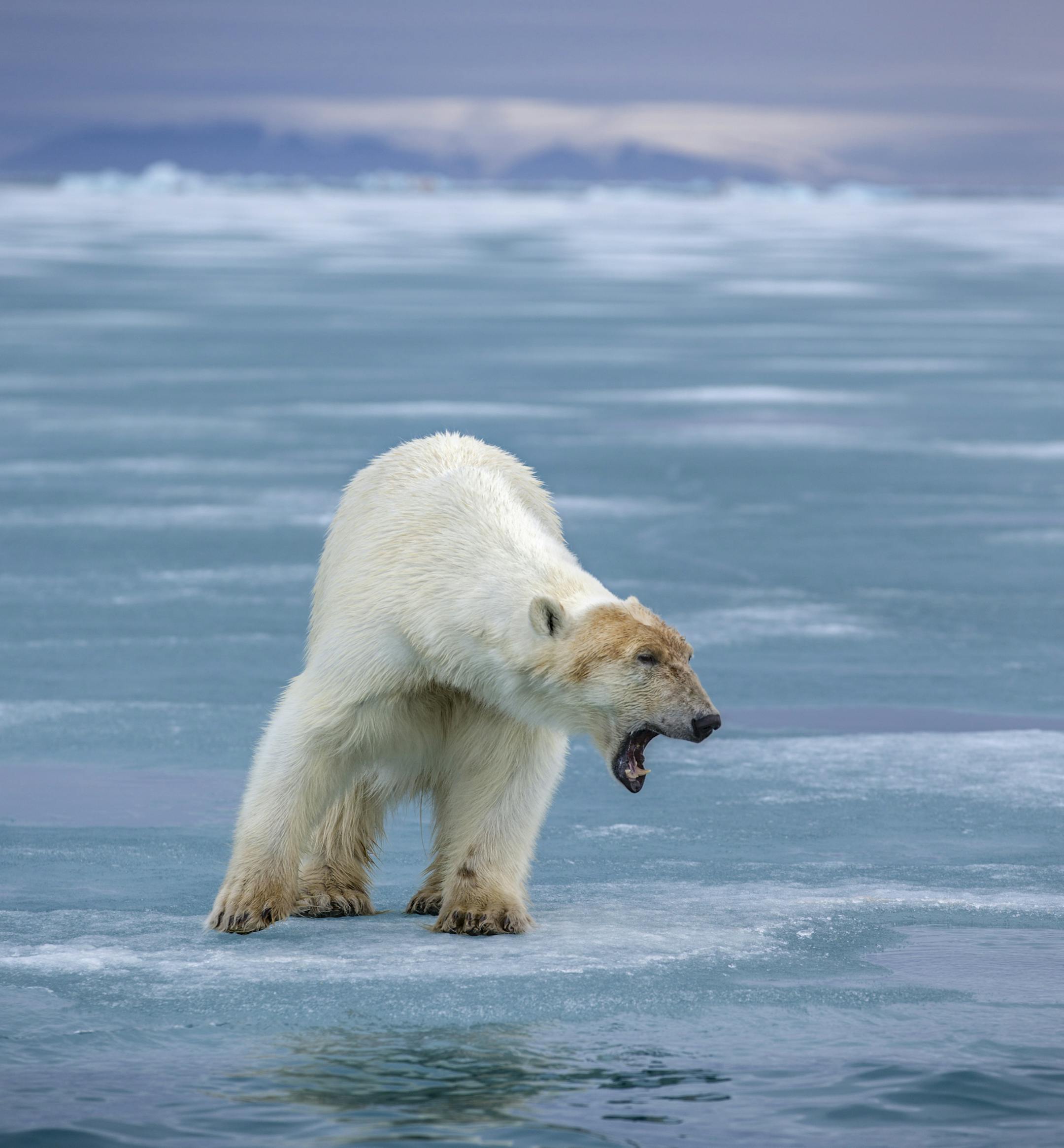
You don't need to see blood dripping down a polar bear's white coat to enjoy the visceral thrill of watching him climb 300 feet up a perilous cliff to snag nest eggs or examine the innards of baby sea lions to marvel at how a whale risks being stranded on shore to snatch them from the Argentine coast.
The set pieces, which also include a water buffalo playing rope-a-dope with overheated African lions and Alaskan grizzlies setting up shop at the mouth of a river to feast on salmon, were largely shot with gyro-stabilized cameras, designed to eliminate vibrations and mimic the movement and flexibility of the human eye. By strapping these new-age contraptions to everything from Jeeps to elephants, producers were able to keep pace with wild dogs as they chased wildebeests at 45 miles per hour and tag along with eagles as they swoop in on swinging monkeys in midair.
The cameras were also equipped with lenses that magnified the action 40 times, allowing intimacy without camera operators getting within clawing distance of their fiercest subjects.