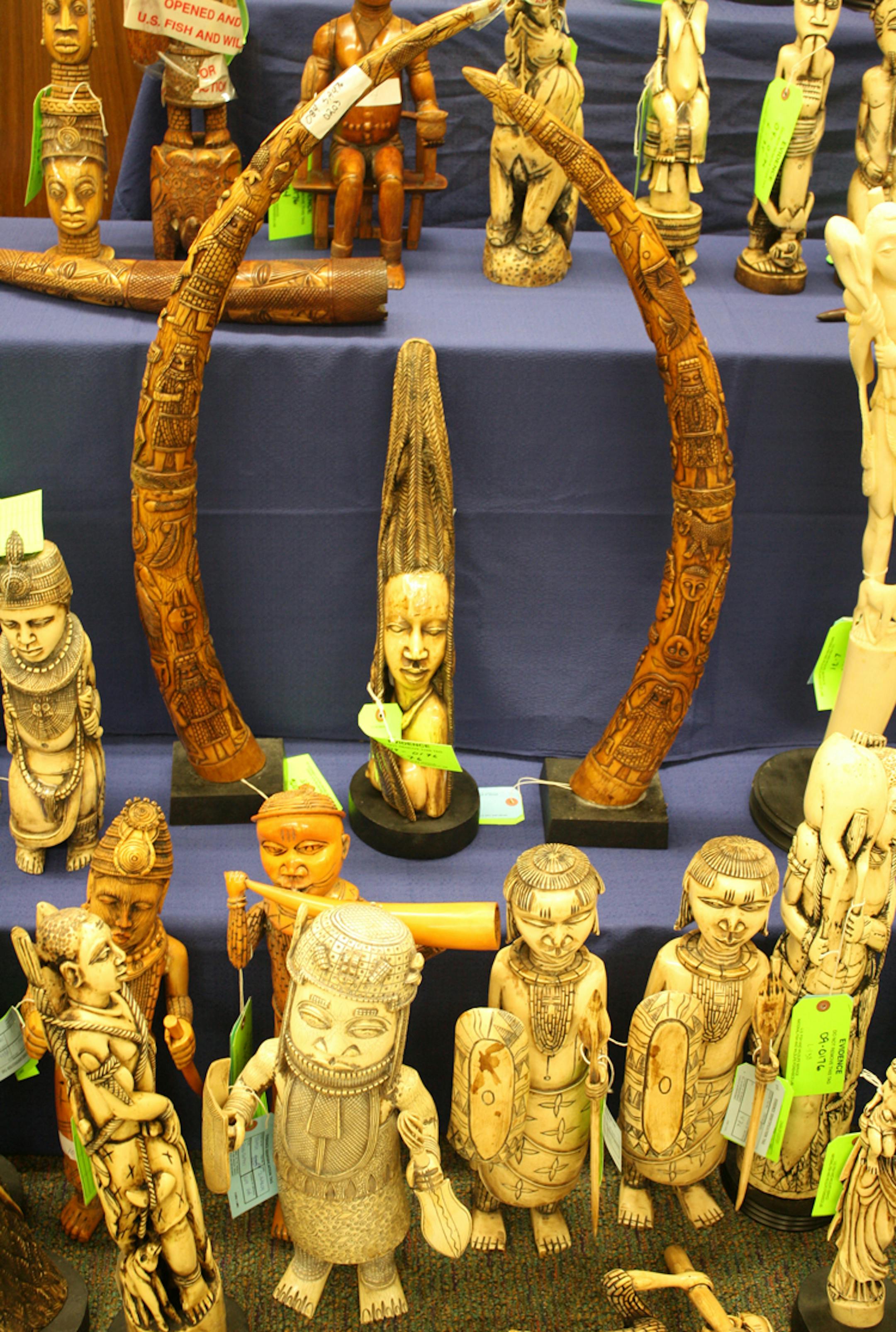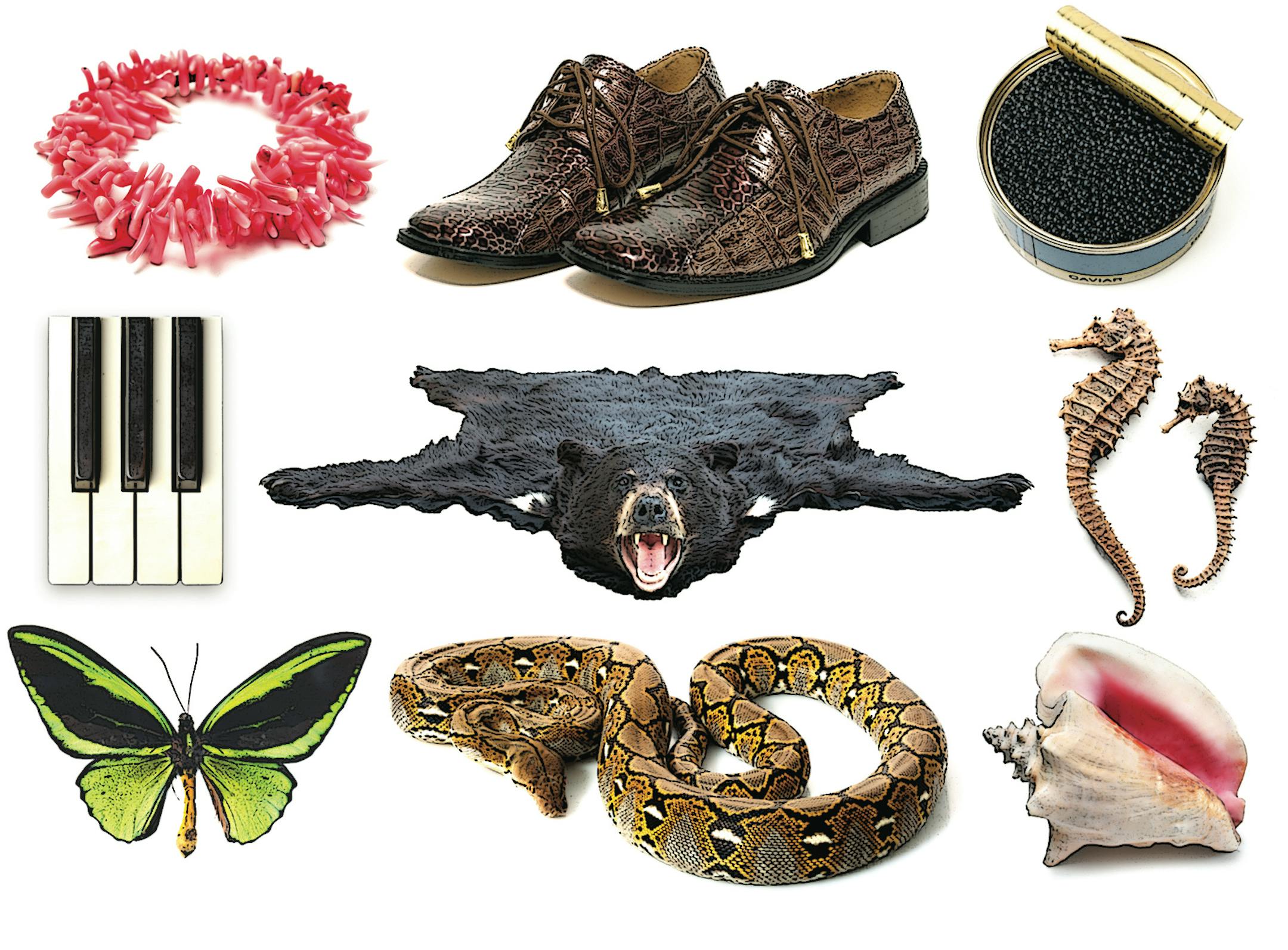
The bounty includes shoes fashioned from caimans and pythons, coral cut from reefs for aquariums and jewelry, turtle cartilage for soup, iguanas for pets, elephant ivory piano keys, teeth from hippos, sperm whales and grizzlies.
Millions of specimens of vulnerable wildlife — whole plants and animals and their parts — enter the United States each year under the watchful eyes of federal inspectors.
It's all perfectly legal. Even though Walter Palmer's trophy of Cecil the lion reportedly stayed in Zimbabwe, the Minnesota dentist's hunting saga is focusing the world's attention on the global flow of wildlife.
The more than 700 African lions killed for sport and shipped as hunting trophies to the United States last year are a drop in a vast pipeline of imperiled wildlife stamped and cleared for import every year, according to a Star Tribune analysis of U.S. Fish and Wildlife Service data.
This is not the highly publicized, illicit trafficking in such goods as ivory and rhino horns. It's part of the internationally sanctioned trade in threatened or potentially threatened wildlife that operates largely out of the public's view, though it's fueled by marketplace demands.
In the last five years, 21 million individually counted at-risk wildlife specimens legally entered the United States, along with an additional 13 million kilograms of specimens such as caviar. Although the annual number of individual specimens dropped by about one-fourth during that time, African lion trophies surged.
Where do they go?
A small fraction of the goods are bound for scientific research, museums and zoos. Some are tourist trinkets or other items for personal use such as jewelry.
The vast majority is for commercial trade. While some specimens are from plants and animals that were cultivated or farmed, about half the traded specimens are taken from the wild, the data show. Zebra hides, sea horses and coral for sale are a click away on the Internet. Western wear shops stock exotic leather cowboy boots.