The hide business, out of hiding

Study Jim Rosenwald's business and learn what happens once animals are skinned. But European beads, Native American artifacts and more also dress up his shop.

December 6, 2007 at 12:02AM
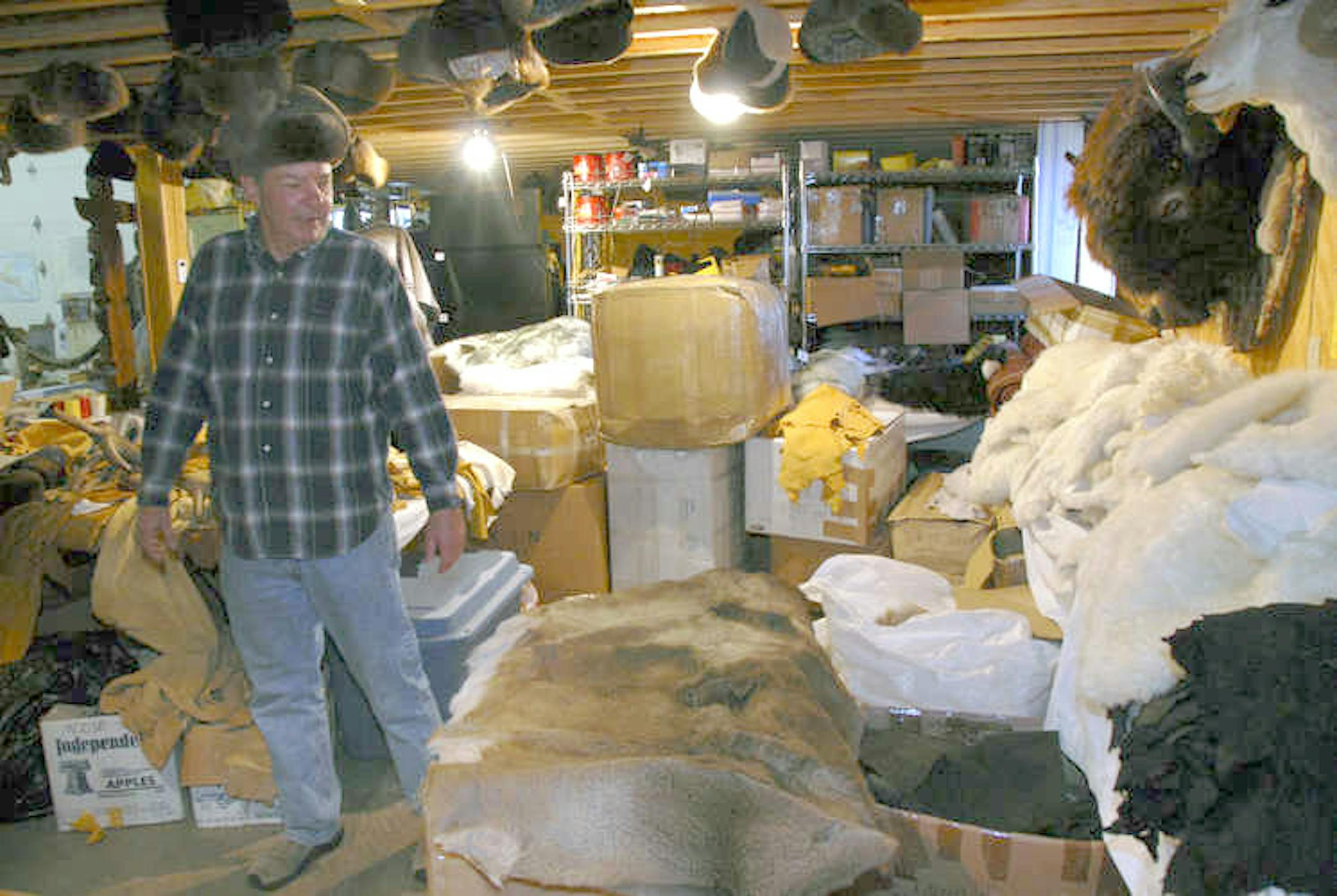
Jim Rosenwald, owner of North Star Fur, has hides of diferent animals, and much more, in his showroom in Marine n St. Croix.
Jim Rosenwald, owner of North Star Fur, has hides of diferent animals, and much more, in his showroom in Marine n St. Croix. (Stan Schmidt — Star Tribune/The Minnesota Star Tribune)

Think the "global economy" doesn't include you?

It does if you killed a deer this fall.

Like most hunters, you probably took your downed quarry to a meat processor who skinned and butchered the animal, grinding some of the venison into hamburger and perhaps making some into sausage.

A few weeks later you returned to the butcher, coughed up $150 to $250 for the cut meat, burger and sausage, and went on your way.

The deer hide?

Not many years ago it would have been collected from the meat processor by a fur buyer or other broker and sent, along with thousands of other hides, to a tannery somewhere in the United States.

In turn, the tanned hides would have been shipped to clothiers, glove makers and others who produced finished products, some for worldwide shipment.

Times have changed -- and Jim Rosenwald, a fur buyer from Marine on St. Croix, Minn., is in the middle of those changes.
Already this fall, Rosenwald, together with his son and partner, Jon Paul, has gathered thousands of deer hides from the metro area, most from butchers, to whom he pays a fee for each hide.

The hides were trucked to another processor, who salted them and packed them into overseas shipping crates, about 3,500 to a crate.

Destination?

"They all go to China," said Rosenwald, owner of North Star Fur.

•••

Rosenwald, 63, is an interesting dude.

He grew up just east of St. Paul, worked for many years as a pipe fitter and first bought land in northern Washington County in 1969.

It's there he operates his business.

Rosenwald's interests extend far and wide, and include furs but also vintage trading beads, tanned elk, moose, buffalo and other hides, and Native American artifacts.

"In my business if I had to depend solely on buying and selling wild fur, I couldn't make a living," Rosenwald said. "Fur prices go up and fur prices go down. You can't go in and out of business every other year. You roll with it."

China has taken over the deer hide business in part because of cheap labor available there.

But the slow death of U.S. tanneries -- many of which are old, all of which face difficult-to-meet environmental restrictions -- has played a bigger role.

"The advantage to the consumer of the Chinese taking over the deer hide business is the price of the end product," Rosenwald said. "Twenty years ago in this country you couldn't find a pair of deer skin gloves for under $30. Now you can buy them for $15."

China, in fact, is a major importer of all furs. It produces not only tanned hides, but finished coats, hats and other clothing for export, much of it to Russia.

Deer hides from northern Minnesota, Wisconsin and Michigan are particularly attractive to clothiers, Rosenwald said.

"Many of these hides are thicker than typical whitetail hides and can be split, making for leather that is very uniform in thickness," he said. "Garment makers like that."

As a kid, Rosenwald trapped, so when he buys furs, as he will this week in Hibbing and elsewhere in northern Minnesota, he knows the effort that is required to lay a dozen raccoon or muskrat pelts on a table and ask to be paid.

"Prices aren't very good right now," he said. "Raccoon is holding up, but muskrat, for example, isn't. Last year you could get $8 for a muskrat. Today you can't get $2, in part because Russia was very warm last winter and fur buying was down."

Rosenwald's showroom is museumlike. Deerskin gloves (he's a wholesaler of gloves made from American deer and imported from China) are displayed. But so are antique African ladles, glass beads dating to the Lewis and Clark era, tanned hides of all types and sizes, horse-hair-adorned canes and -- among other curiosities -- a trophy-quality mule deer, replete with show-stopping antlers.

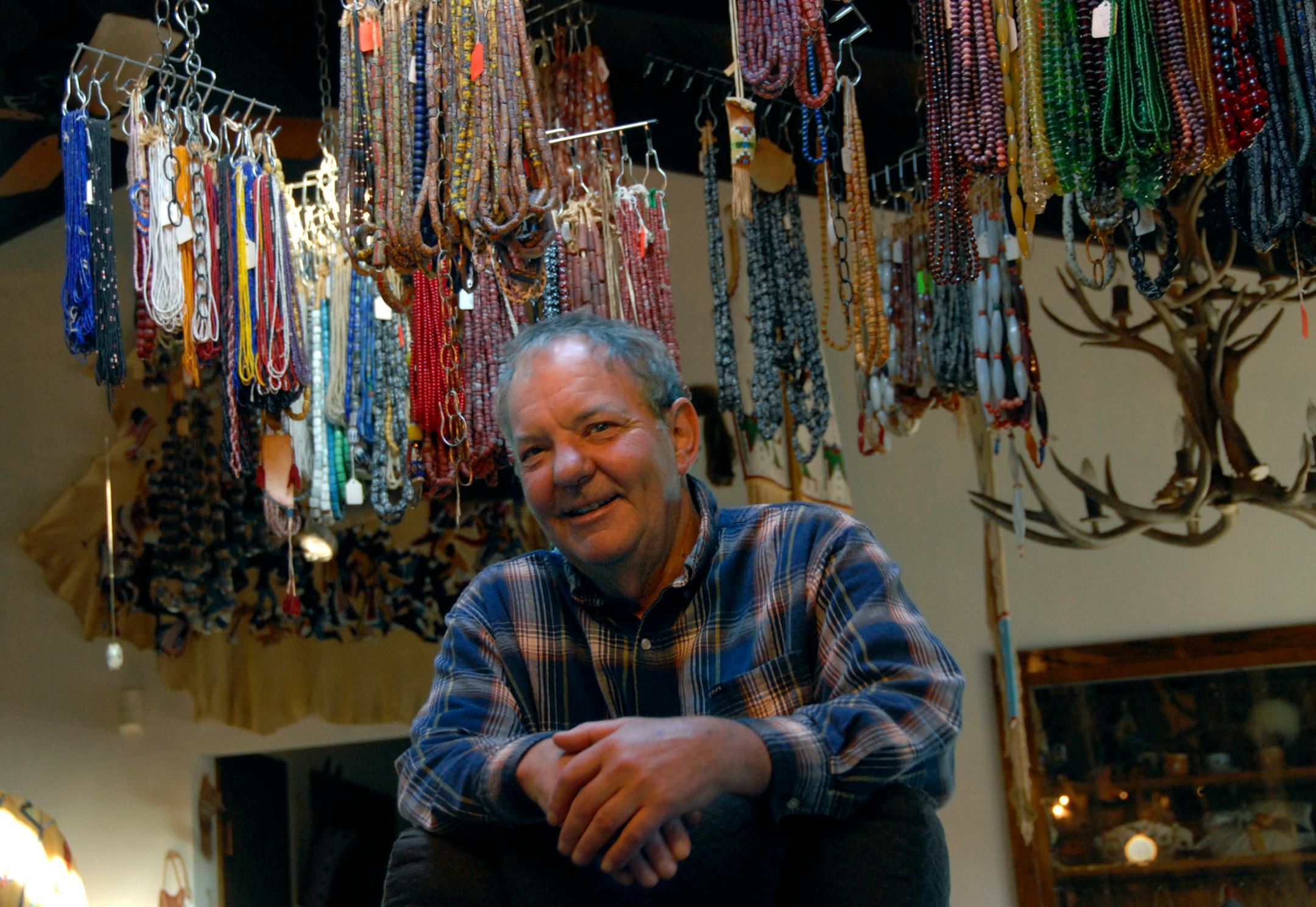
Made a century or more ago in Venice, Italy, the beads originally were employed as a universal currency by Europeans set out to conquer new worlds.

"Money didn't mean anything to native people," Rosenwald said. "There needed to be something the Europeans could trade to the locals to get what they wanted.

"Native people often were ornate in their dress and often participated in ceremonies. The glass beads appealed to them."

Rosenwald is among people nationwide who today buy, sell, collect and, yes, trade the beads.

Hides, meanwhile, that Rosenwald and his son tan and resell are in demand by retro-buffs who gather in full period regalia in spring, summer and fall, just as trappers and fur buyers once did.

North American pow-wow aficionados also need tanned hides, as well as beads, and often seek them from Rosenwald.

"These people interest me because they represent people who were part of the original fur trade in this country," he said.

As North America's deer population has grown, hides have become more abundant. Tanned deer hides are more supple, Rosenwald said, than cattle and other hides, and for that reason have retained their value in the marketplace.

Deer hide prices rise and fall less for reasons of abundance or scarcity than the cost of tanning, Rosenwald said, adding that prices have stabilized since the Chinese took over much of the processing market about seven years ago.

"I've seen prices 20 percent higher than they are now, and 60 percent lower," he said.

As Rosenwald spoke, his telephone rang constantly.

Perhaps someone was calling who wanted more finished deerskin gloves. Or someone wanting to buy vintage beads.

Or someone a world away, in China, wanting to know when the next shipment of Minnesota deer hides would arrive.

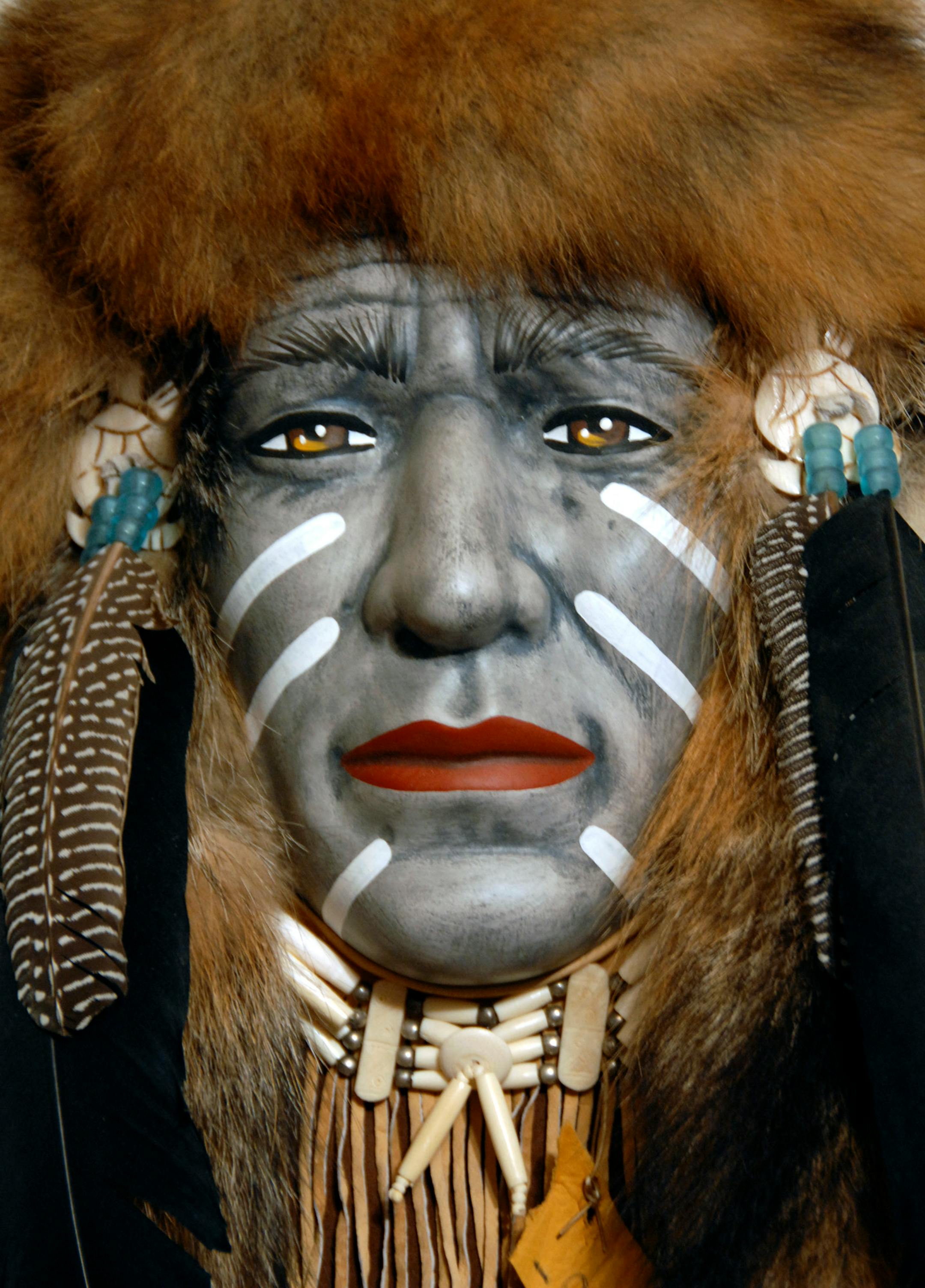
Comanche mask and headdress.
Comanche mask and headdress. (Star Tribune/The Minnesota Star Tribune)
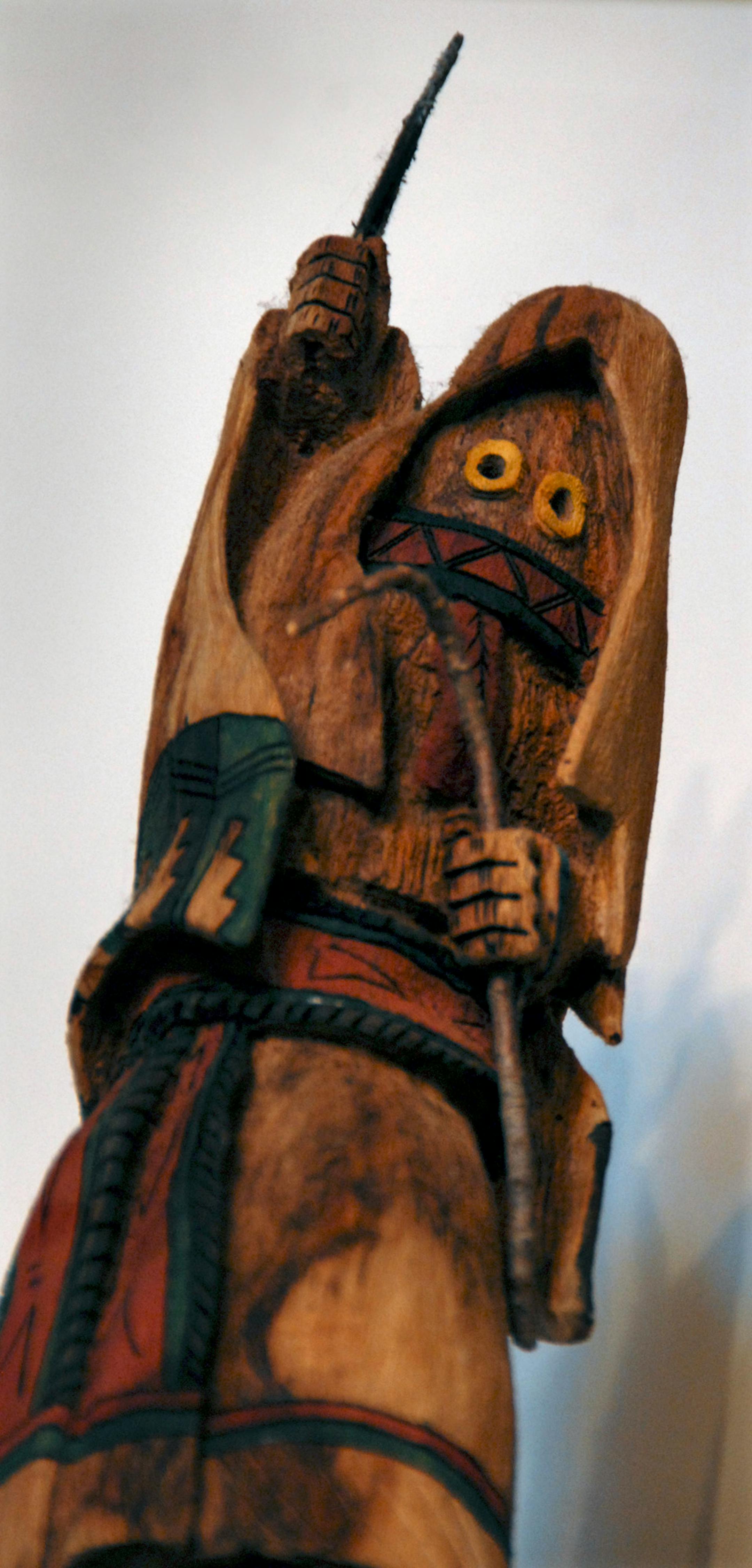
Hopi kachina doll.
Hopi kachina doll. (Star Tribune/The Minnesota Star Tribune)
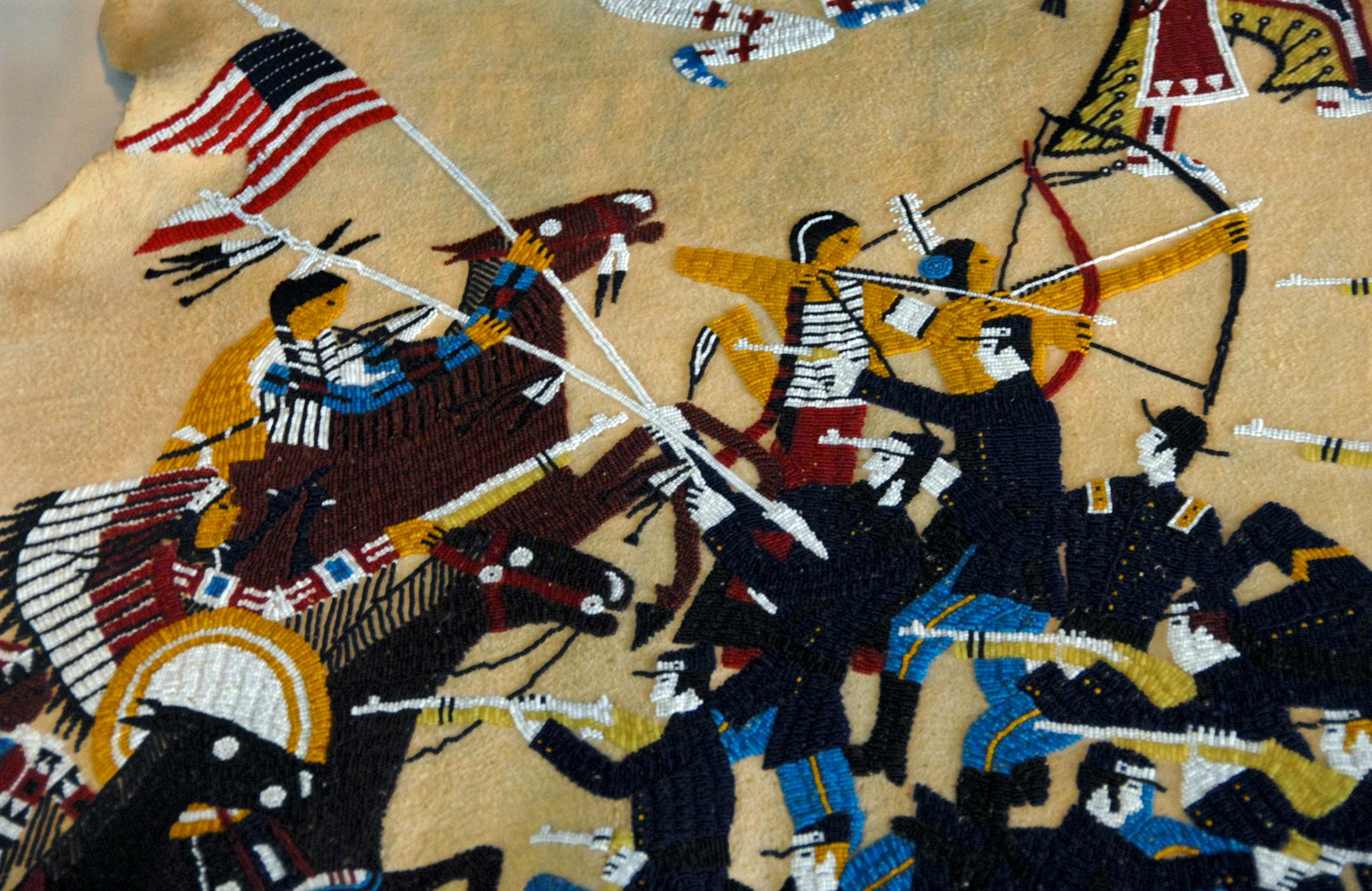
Battle scene done in beads on a hide.
Battle scene done in beads on a hide. (Star Tribune/The Minnesota Star Tribune)
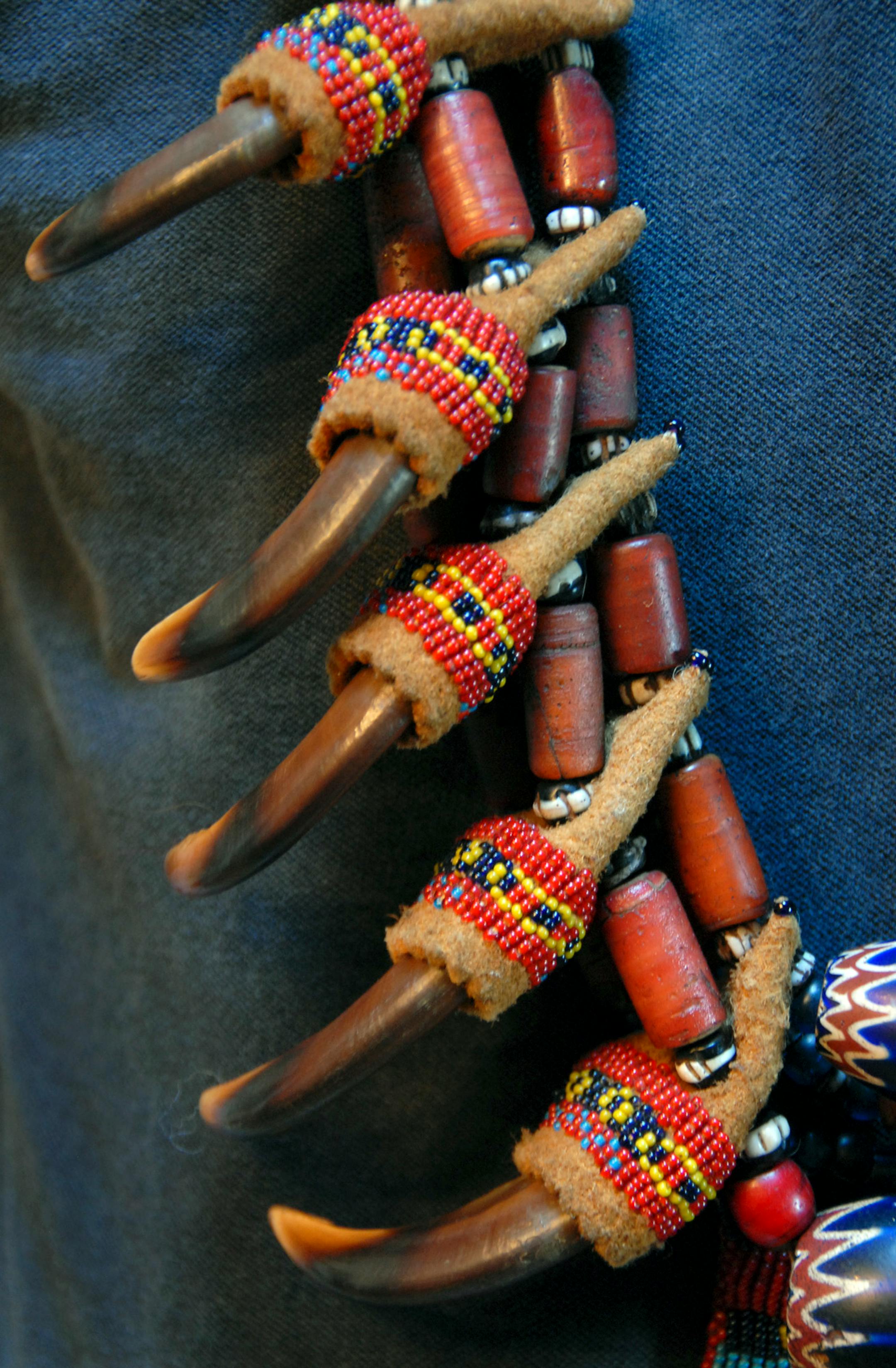
Bear-claw neck piece.
Bear-claw neck piece. (Star Tribune/The Minnesota Star Tribune)
Jim Rosenwald, in his house with Venetian glass beads hanging from the ceiling. "Money didn't mean anything to native people," Rosenwald said of the beads. "There needed to be something the Europeans could trade to the locals to get what they wanted."
Jim Rosenwald, in his house with Venetian glass beads hanging from the ceiling. "Money didn't mean anything to native people," Rosenwald said of the beads. "There needed to be something the Europeans could trade to the locals to get what they wanted." (Star Tribune/The Minnesota Star Tribune)
about the writer

about the writer

Dennis Anderson

Columnist

Outdoors columnist Dennis Anderson joined the Star Tribune in 1993 after serving in the same position at the St. Paul Pioneer Press for 13 years. His column topics vary widely, and include canoeing, fishing, hunting, adventure travel and conservation of the environment.

See Moreicon