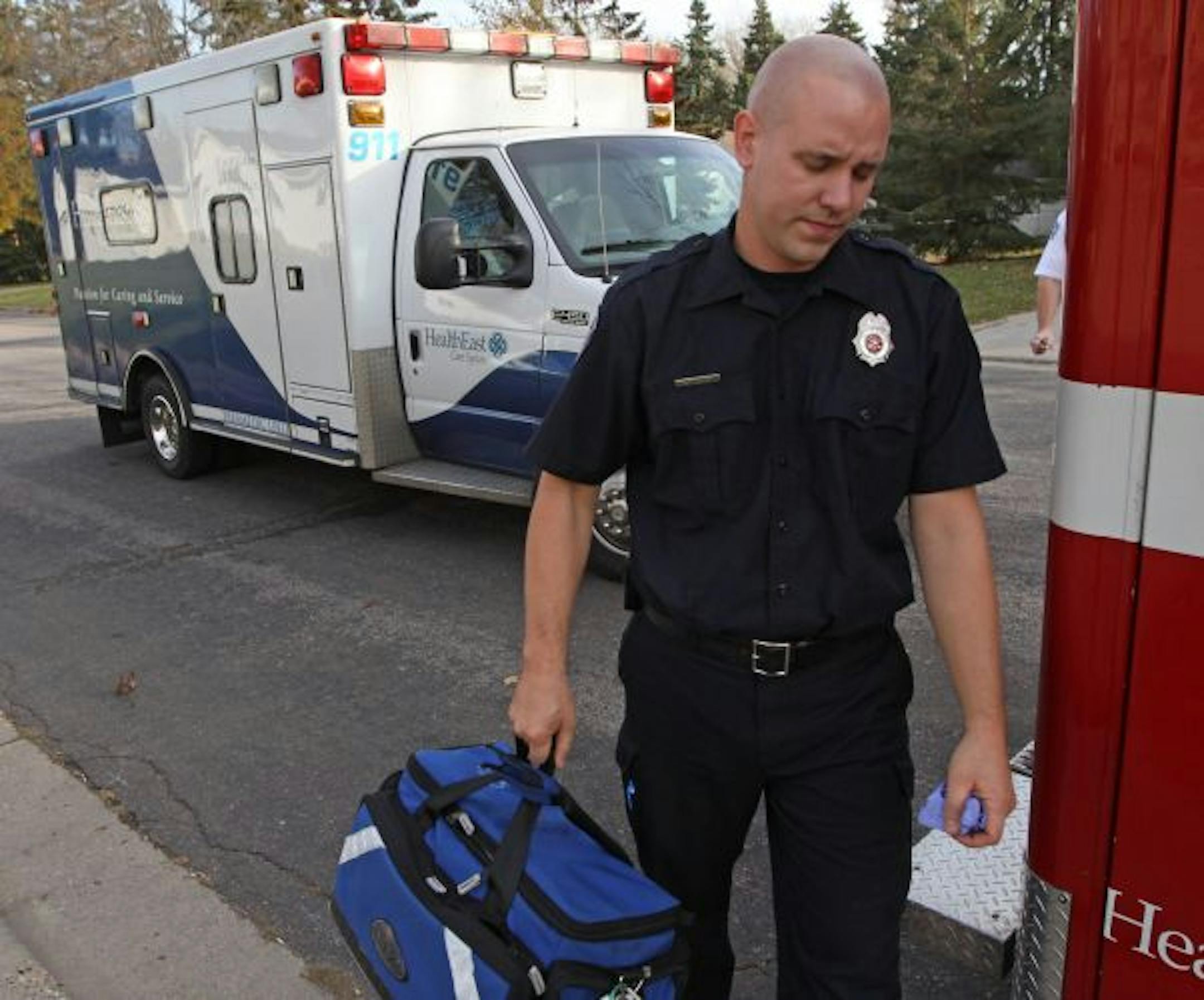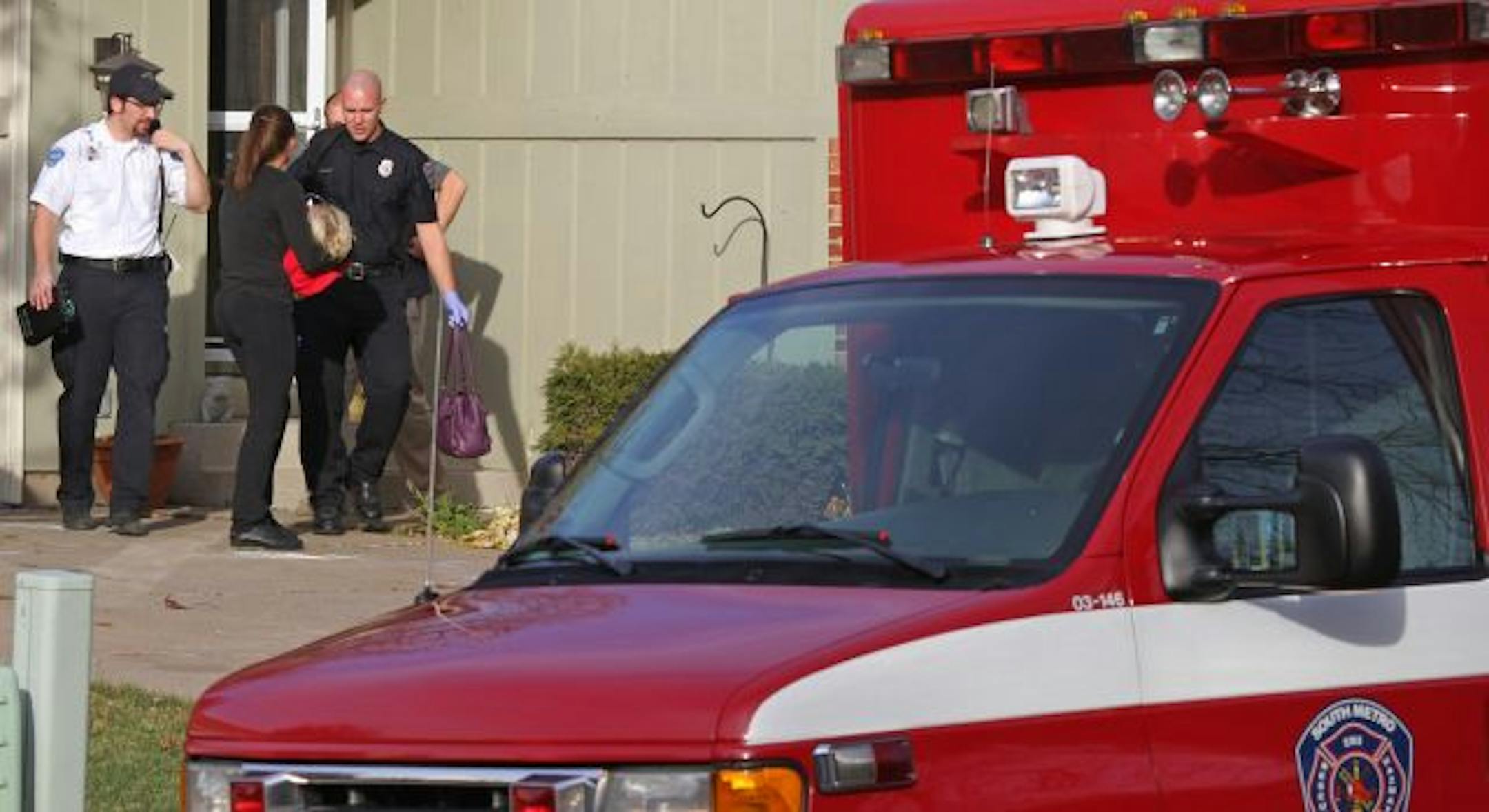
It was a relatively slow Tuesday afternoon at the South Metro Fire Department (SMFD) station in West St. Paul when a call came in about a 2-year-old having a seizure.
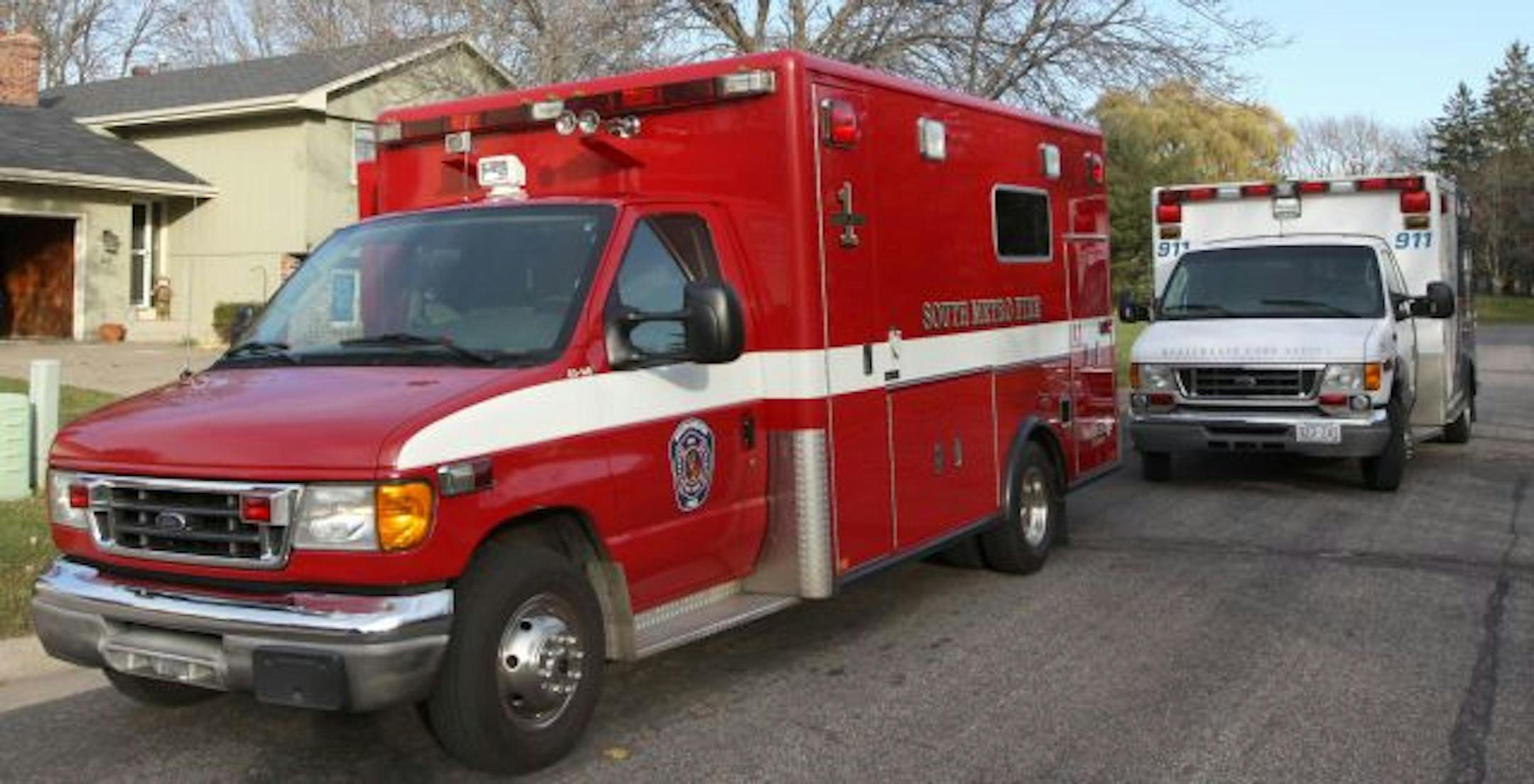
At 2:49 p.m., one of the department's three ambulances was dispatched.
By 2:52 p.m., the firefighters arrived at the West St. Paul home, where they checked the girl's vitals, fitted her with an oxygen mask and heard about her medical history. More than five minutes after the firefighters reached the scene, another ambulance, this one operated by HealthEast Medical Transportation, arrived to assess the situation and provide further care.
By 3:06 p.m., South Metro had cleared the scene. The girl was placed in HealthEast's ambulance, which had medications available to help treat her if she had another seizure en route to the hospital.
It was a glimpse at the way many medical emergencies have been handled in South St. Paul and West St. Paul for years, with the joint city Fire Department and HealthEast, which has the state-issued license to serve the two cities and several other southern suburbs, both responding.
The arrangement could be in jeopardy because HealthEast, during contract negotiations with SMFD, is insisting on changes that would cost the department money and, most likely, result in staff cuts. Those cuts -- or other changes, such as the fire department turning all the ambulance calls over to HealthEast -- could increase response times, critics say.
"When you're having an emergency medical situation and someone gets there in four minutes and someone gets there in ten minutes ... People can live or die in those six minutes," said Chris Lehmann, SMFD board member and South St. Paul city councilman. "And I'll tell ya, the patient or citizen sitting there isn't worried that 'Oh my goodness, another ambulance is roaring down my street.'"
But HealthEast counters that it doesn't make sense to have two ambulances responding to emergencies, and that streamlining the service would be more efficient and save money.