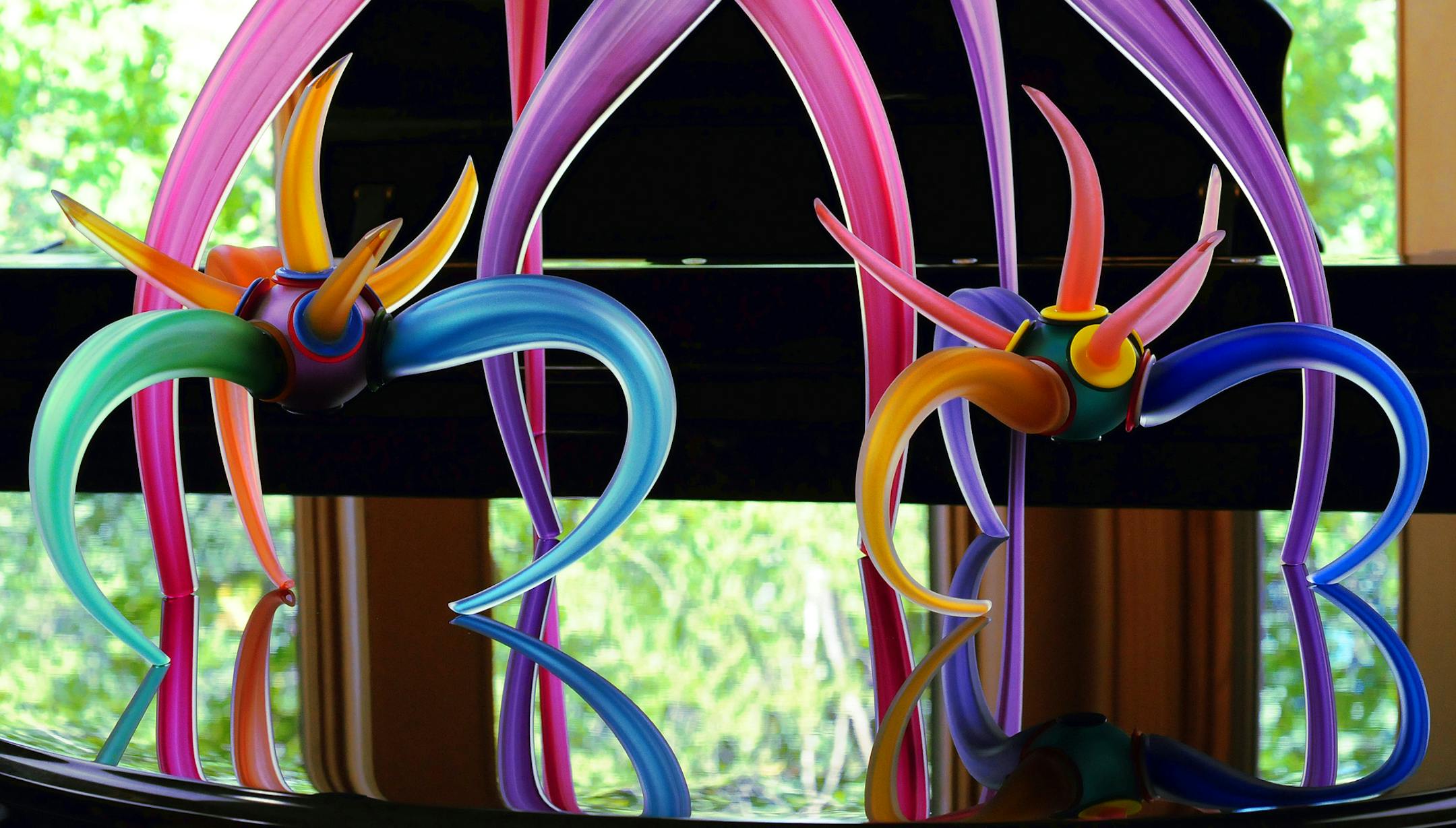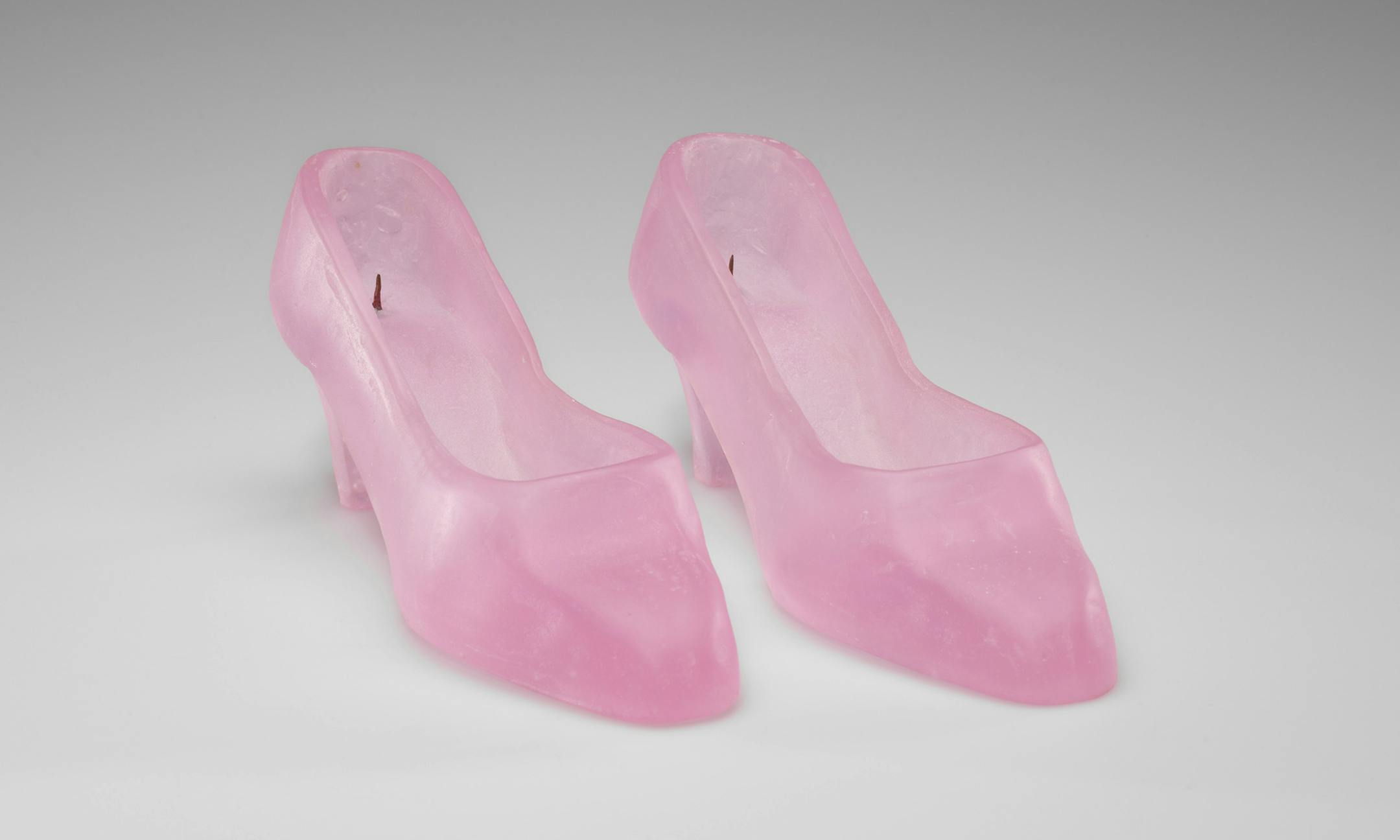
Given the profusion of sparkling glass baubles that beckon buyers at every summer art fair, it seems that glass must always have been part of the contemporary art scene. Surprisingly, that assumption is wrong.
As aficionados will tell you at the drop of a question, the American studio glass movement was started in 1962. In Toledo, Ohio. By a Wisconsin guy named Harvey Littleton.
Out of Littleton's experiment grew a phenomenon that has inspired artists and collectors, changed colleges and museums, boosted Washington state tourism and most recently sparked two exhibitions.
"Historic Heat: 50 Years of Fantastic Glass From the Heartland," featuring sculpture by 28 prominent Midwestern talents, runs through Jan. 5 at the Phipps Center for the Arts in Hudson, Wis. Simultaneously the Minneapolis Institute of Arts is showing through June 29 more than a dozen impressive examples of international art glass, part of a 32-piece collection given to the museum earlier this year by collectors Daniel Greenberg and Susan Steinhauser.
The Phipps show points to "the vitality of this region" as a center of studio glass production, said Stephan Cox, who organized the exhibit with fellow glass artists Andrew Shea and Craig Campbell. "Behind Seattle it is one of the most active areas in the country."
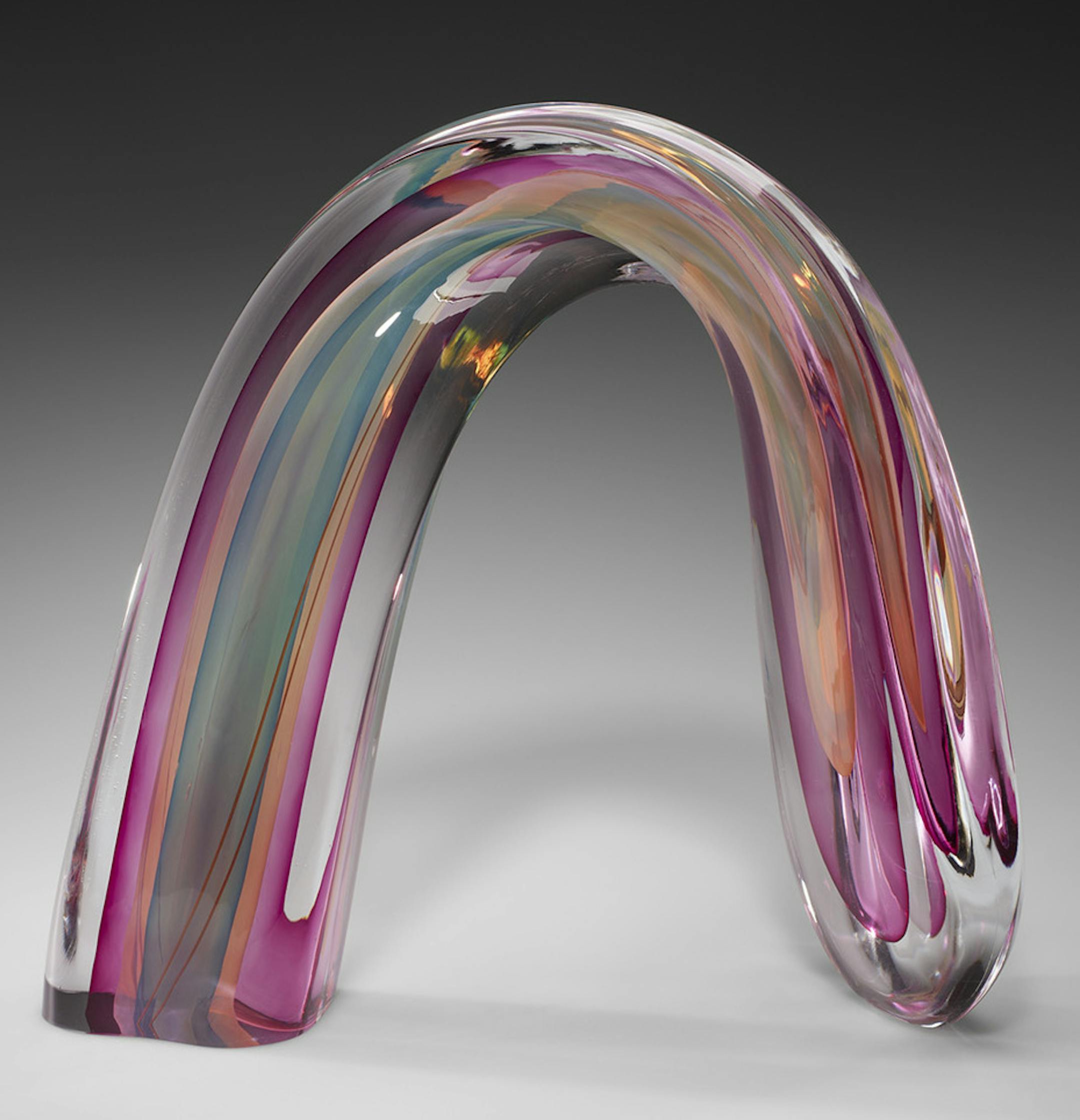
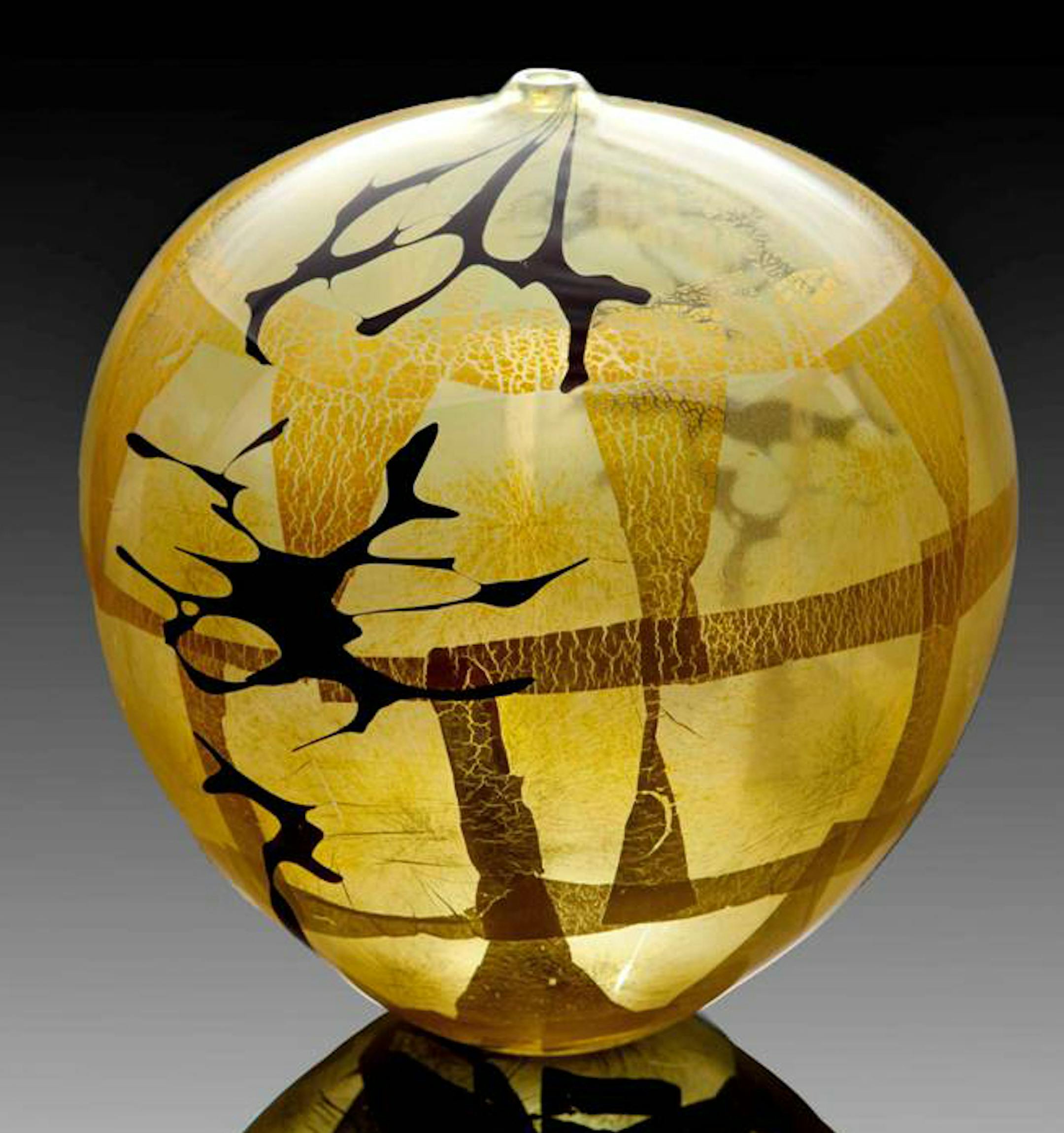
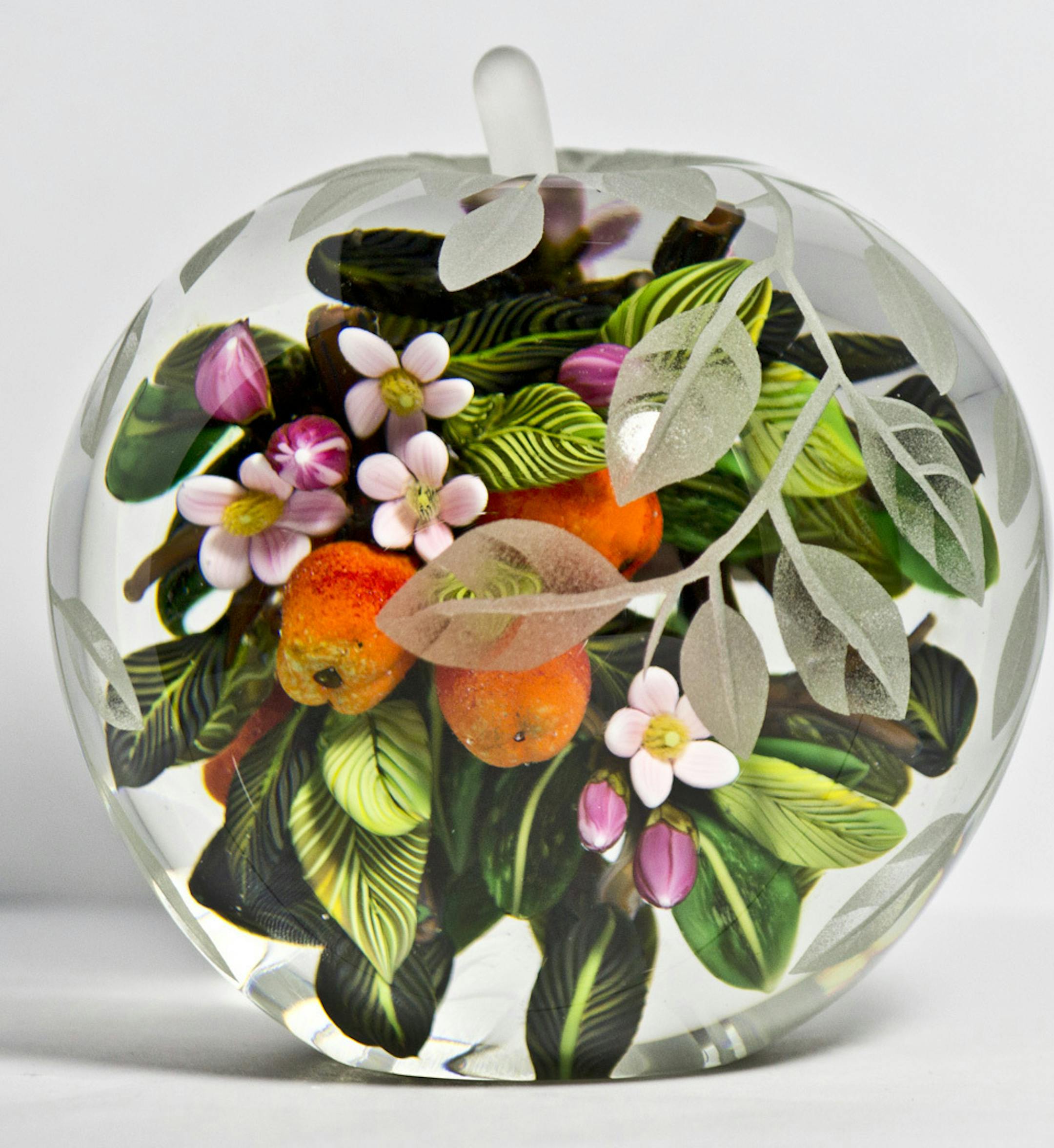
The exhibit demonstrates that vitality in vases and etched bowls, crystalline sculpture, stained-glass panels and fused-glass landscapes. There are intricate paperweight-styled sculptures by Winona-based Cathy Richardson, who encases glass bouquets in etched-crystal apples, and freestanding, 6-foot-tall panels in autumnal hues by Peter Zelle of Minneapolis.
Several artists illustrate changing styles and personal development by pairing examples of early work with their current production. At the start of his career, Cox made small balloon-shaped bowls. Now he specializes in tall cones of glass that sprout from tripod bases and display their spiky crowns like graceful undersea creatures.
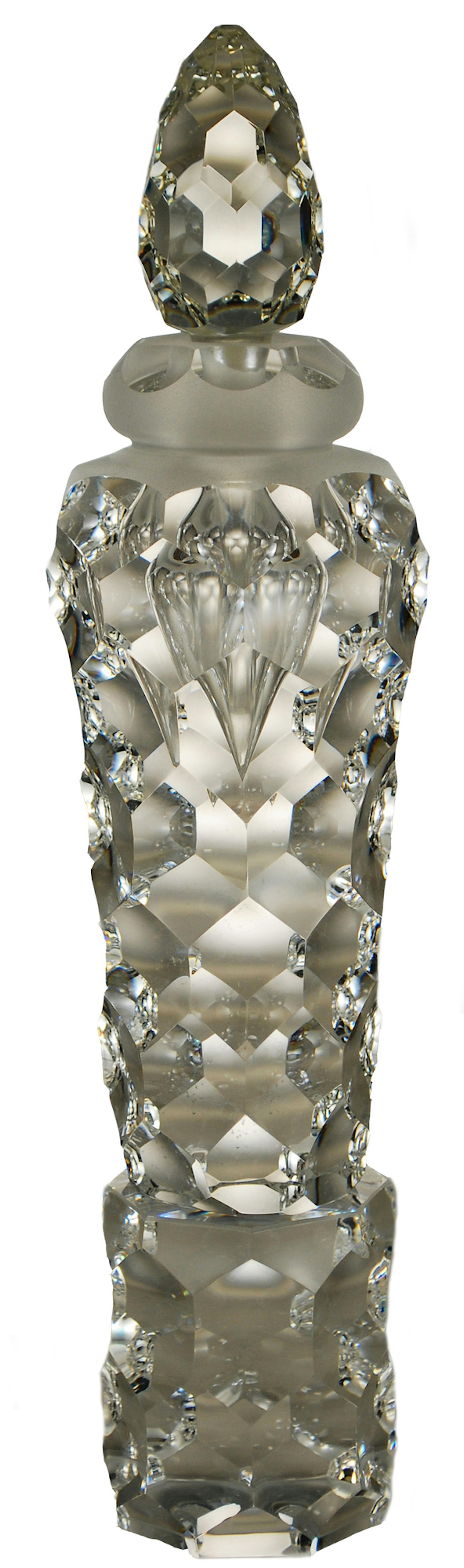
Twenty years ago Campbell was making mysterious, sandblasted sculptures that suggest fragments of exploded spacecraft; now he's doing etched, moccasin-like pods. Shea's early work includes a whimsical Pop-style black-and-cream race car and a milky-white goblet clutched by a cartoonish fish. His recent sculptures are abstract — big hollow teardrops of clear glass with etched surfaces and portholes; a faceted crystal cylinder with a perfume-bottle top.