FORT MYERS, FLA. — Once the entire Twins squad assembles on Wednesday morning for the first full team workout, the days will end around 12:30 p.m. -- except next Thursday, when the players will be let out early to take part in their annual charity golf tournament.
It has been the Twins' way going back to Tom Kelly. They get their work in and have afternoons to themselves.
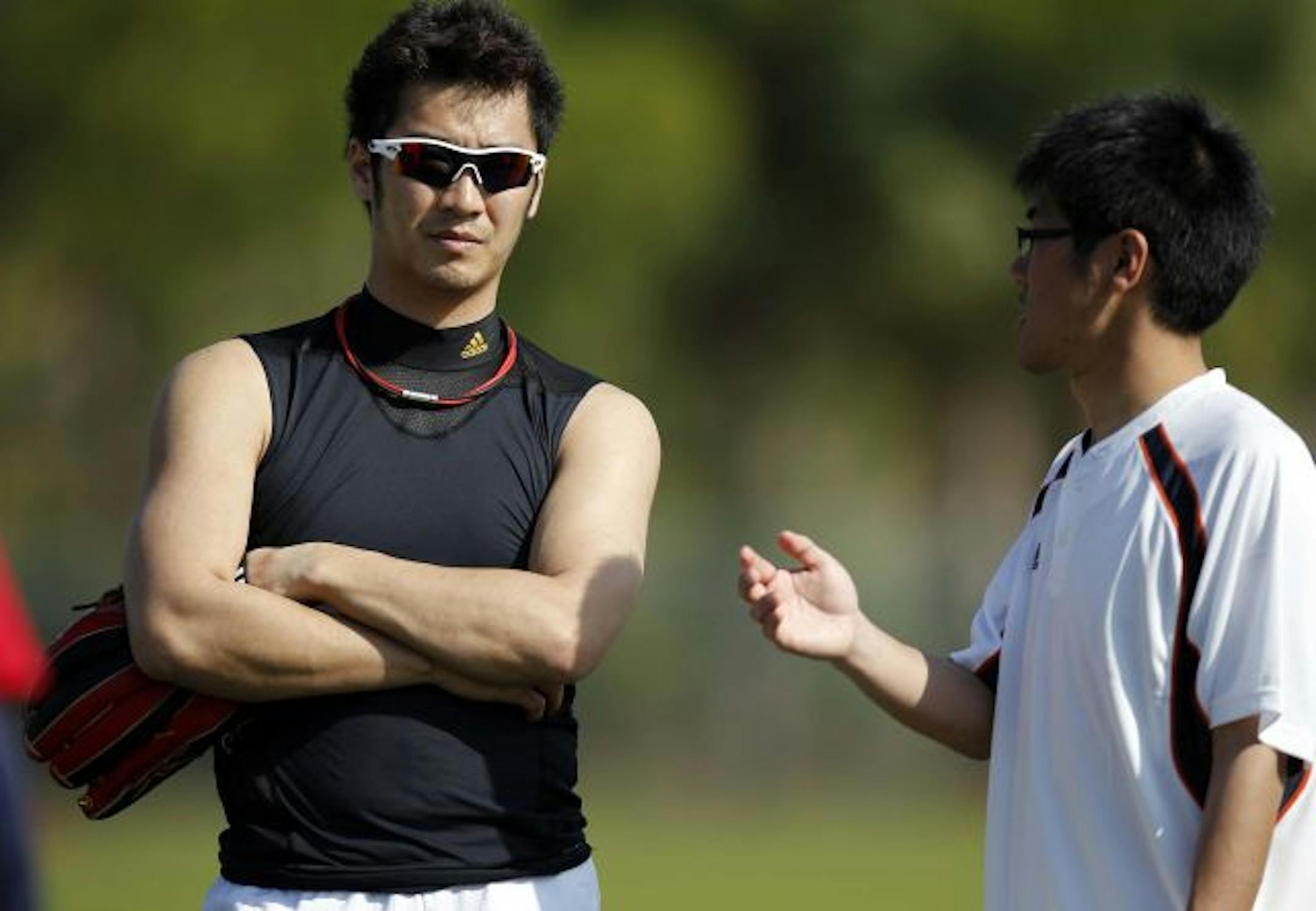
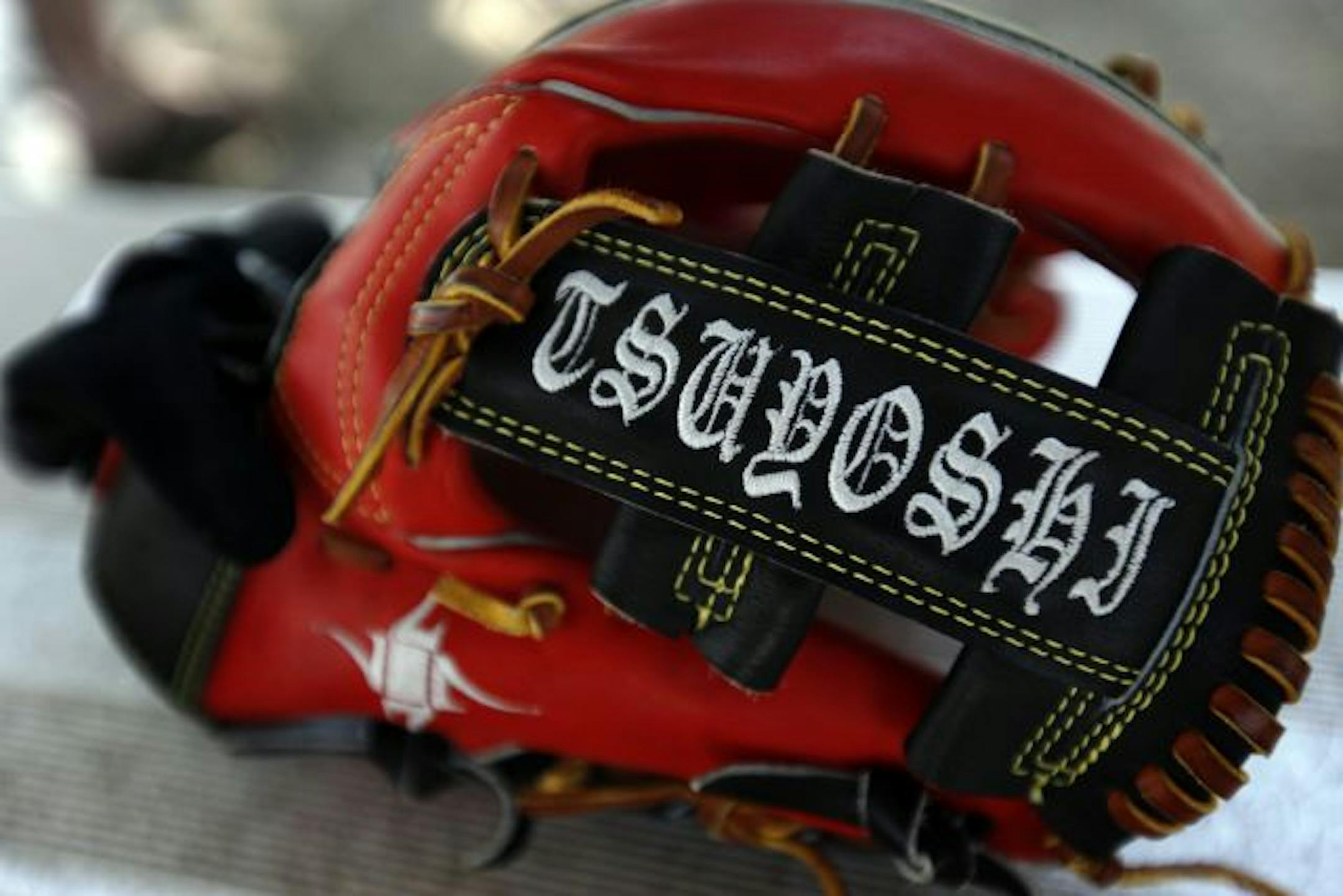
That's not how it's done in Japan. Tsuyoshi Nishioka, the Twins' new middle infielder, is about to find out the differences. And now that the Twins have become the 27th team in the majors to employ a player from the Japanese Leagues, so will the team and its followers.
Nishioka's arrival opens a new chapter in Twins history -- and opens a door to baseball in the Far East, where the game offers a peek into the culture.
Where Nishioka comes from, a workday means working on your game until 6 p.m. -- and there might be night practices. And then you return to your hotel room at the end of the day, not a vacation home or condo. The Japanese don't know any other way than to prepare, prepare and prepare some more. The approach is rooted in martial arts, with "endless training, development of spirit, self-sacrifice, etc.," author Robert Whiting, who wrote a popular book on Japanese baseball called "You Gotta Have Wa," said in an e-mail.
"The samurai code of Bushido and the martial arts philosophy were grafted onto the game in the late 19th century," Whiting said. "For the Japanese -- in the pros, high school and college -- baseball is a year-round endeavor. High school baseball players in the big schools get New Year's off, that is it. The rest is practice. Total dedication."
Driven by history
American professor Horace Wilson introduced baseball to Japan in the late 1870s while teaching at what is now Tokyo Imperial University. The sport became a hit on the high school and college levels. And the first professional team was born in 1935.