The Red Wing citizen activists who have been fighting sand mining all summer will find out tonight if their organizing efforts are going to pay off. The Goodhue County Commissioners will vote on whether to impose a one-year moratorium on a sand mining project proposed by Windsor Permian, a Texas drilling company that wants to use the sand for fracking.
Sand mining is a spin-off boom from hydrofracking, the process of squeezing natural gas out of rock that has caused environmental controversy in the east. But it's growing fast in North Dakota and other western states as well. Energy and mining companies are buying or easing large tracts of land from Black River Falls, Wis., to Red Wing, Minn., and south along the Mississippi, all for the silica sand that drillers use to extract the gas.
It's an economic boon for some small towns -- a chance to share in the wealth generated by the domestic production of energy. The company that wants to open the sand mine near Red Wing has said it wants to be treated like any other sand and gravel pit that operates in the county.
But citizens in Red Wing fear that this is no ordinary gravel pit, and that it will change their community forever. Many people who live and work near the open sand pits in Wisconsin, where they are sprouting like corn, fear for their drinking water, streams and health. Silica sand dust causes a number of lung diseases, including cancer.
The outcome at this point is unpredictable. The Goodhue County planning commission voted to recommend against the moratorium earlier this month. Now it's up to the commissioners. The public meeting, which starts at 5 p.m., should be a lively community debate.
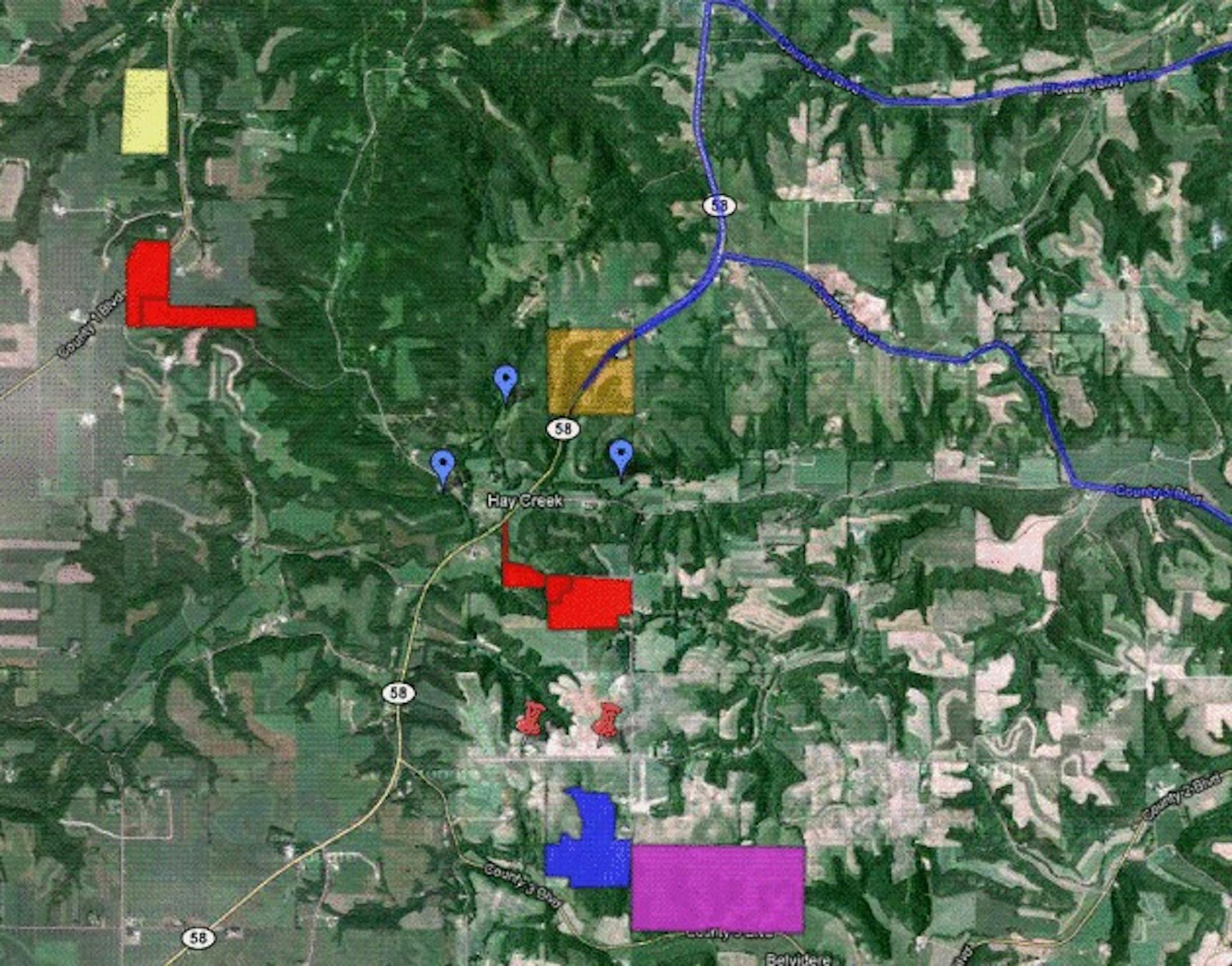
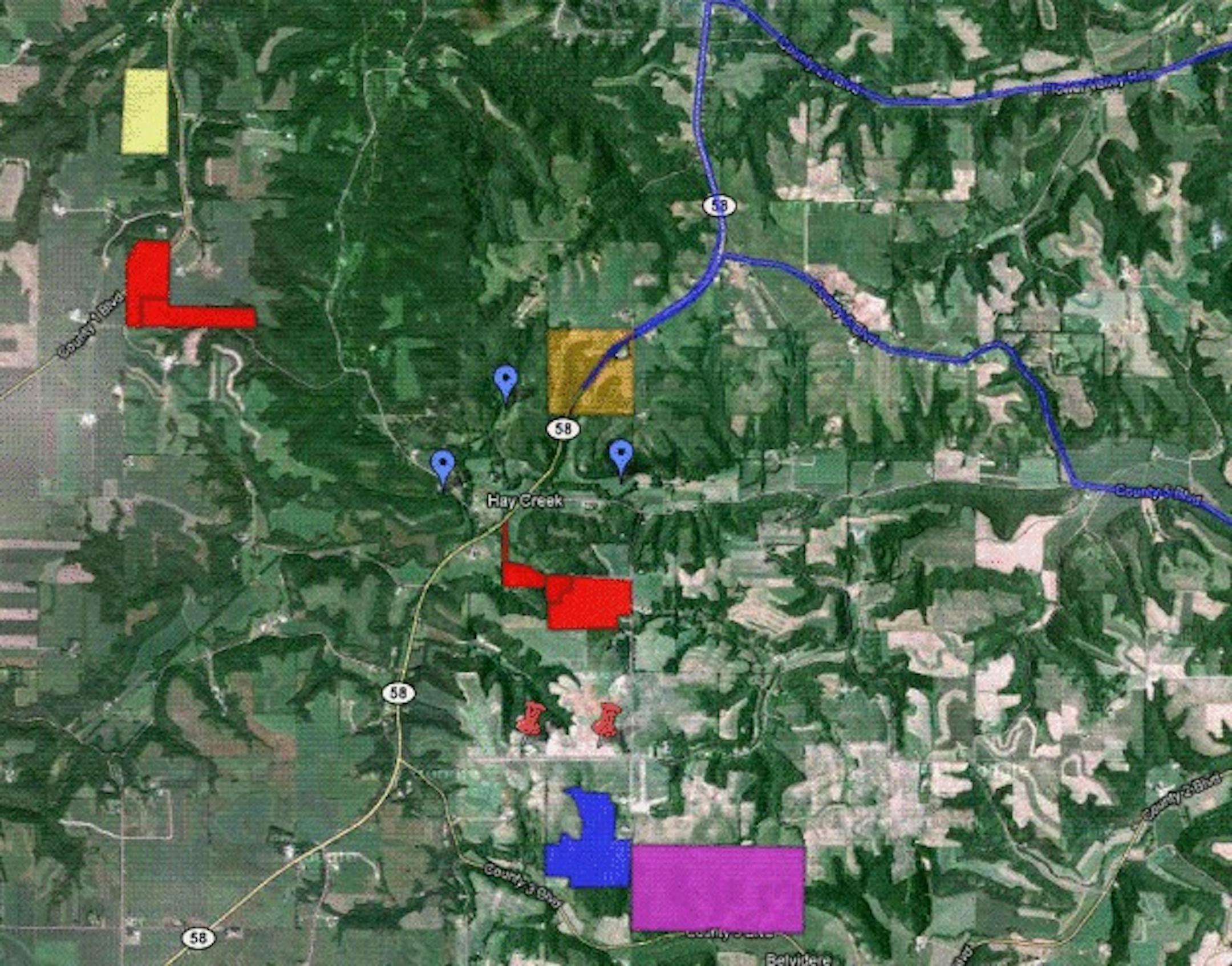
This map of the proposed project was provided by the citizens group in Red Wing.